For most of us, food represents comfort and connection.
It’s breakfast before work.
Dinner with family.
Holiday traditions.
Celebrations, recipes passed down through generations, and late-night snacks that feel like small rewards.
We rarely associate food with danger beyond common concerns like food spoilage or improper refrigeration. But around the world, certain foods carry documented health risks — not because they are contaminated, but because in their natural state, they contain potent toxins.
And yet, millions of people continue to eat them safely.
Not recklessly.
Not carelessly.
But because with proper preparation, knowledge, and tradition, these foods can be transformed from potentially harmful to nourishing staples.
One food in particular is sometimes referred to as the “world’s deadliest food” due to its association with approximately 200 deaths per year. According to the World Health Organization, improper processing of this staple crop has been linked to fatal poisoning in certain regions.
But context matters.
The same food that can be dangerous when prepared incorrectly also sustains hundreds of millions of people worldwide.
Let’s explore that food — and examine nine others that highlight how knowledge, preparation, and cultural practices turn natural toxins into safe and cherished cuisine.
1. Cassava: The Cyanide-Containing Staple That Feeds Millions
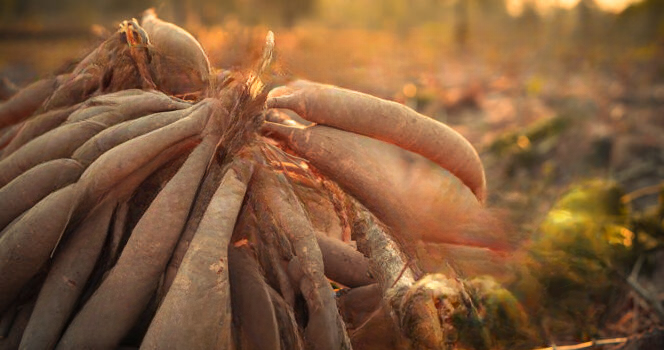
Often called the “world’s deadliest food,” cassava is a root vegetable consumed by more than 800 million people globally. It is also known as manioc or yuca and plays a crucial role in food security across parts of Africa, South America, and Asia.
According to the World Health Organization, improperly processed cassava is linked to around 200 deaths annually.
That statistic sounds alarming — but the full story is more nuanced.
Why Cassava Can Be Dangerous
Cassava naturally contains compounds called cyanogenic glycosides. When consumed raw or inadequately processed, these compounds can convert into cyanide in the body.
High exposure may lead to symptoms such as:
-
Headaches
-
Vomiting
-
Dizziness
-
Thyroid issues
-
Neurological complications
-
In severe cases, death
However, the risk arises primarily when cassava is consumed without proper preparation — often during times of famine or food scarcity when traditional processing methods are shortened.
Why It’s Still Widely Consumed
Cassava is:
-
Highly drought-resistant
-
Able to grow in poor soil
-
Calorie-dense
-
Inexpensive
-
A reliable food source in unstable climates
When prepared correctly — through soaking, fermenting, drying, grating, or thorough cooking — cyanide levels are reduced to safe amounts.
In many regions, traditional knowledge has safely guided cassava preparation for generations. The danger is not the food itself, but improper processing due to limited resources.
For millions, cassava is not a risky novelty — it is survival.
2. Fugu: The Japanese Delicacy With Strict Regulations
In Japan, a highly prized dish known as fugu is prepared from pufferfish. Certain species of pufferfish contain tetrodotoxin, a powerful neurotoxin.
Tetrodotoxin can cause:
-
Numbness
-
Tingling
-
Muscle weakness
-
Paralysis
-
Respiratory failure
Importantly, there is no widely available antidote. However, fatalities are rare due to strict oversight and chef certification requirements.
The toxin is concentrated in specific organs, such as the liver and ovaries. Specially licensed chefs undergo years of training to safely remove these parts.
Although dozens of poisonings are reported annually in Japan, most result from unlicensed preparation rather than regulated restaurant service.
For diners, fugu represents culinary tradition and precision. For regulators, it represents a food requiring careful control — not prohibition.
3. Starfruit: A Hidden Risk for Those With Kidney Disease
Starfruit, known for its bright yellow color and distinctive star-shaped slices, is widely enjoyed in tropical regions.
For most people, it is perfectly safe.
However, individuals with kidney disease face elevated risk.
Starfruit contains a neurotoxin that healthy kidneys can filter effectively. In people with impaired kidney function, the toxin may accumulate.
Reported symptoms in vulnerable individuals include:
-
Persistent hiccups
-
Vomiting
-
Confusion
-
Seizures
-
In rare cases, death
The fruit itself is rich in antioxidants and vitamin C. The risk applies specifically to those with compromised kidney function.
For healthy individuals, starfruit remains a nutritious food. For those with kidney disease, medical professionals often recommend avoiding it.
4. Apple Seeds and Cherry Pits: Small But Potent Compounds
Most fruit lovers know to discard the pits — but few understand why.
Apple seeds and cherry pits contain amygdalin, a compound that can release cyanide when crushed or chewed.
Swallowing a whole pit typically poses little risk because it passes intact through the digestive system.
However, crushing and consuming large quantities could potentially cause symptoms such as:
-
Dizziness
-
Shortness of breath
-
Weakness
-
Nausea
The amount required to cause serious harm is significant, and accidental ingestion of one or two pits is not typically dangerous.
Still, it’s wise not to chew them intentionally.
5. Green Potatoes: A Natural Defense Mechanism
When potatoes are exposed to light, they may develop a green tint.
The green pigment itself is chlorophyll and harmless. However, light exposure can also increase levels of solanine, a natural toxin.
High levels of solanine may cause:
-
Nausea
-
Headaches
-
Digestive upset
-
Neurological symptoms in extreme cases
Severe poisoning is rare, but heavily green or sprouted potatoes should be discarded.
Proper storage in a cool, dark place prevents this issue.
6. Raw Cashews: Not Truly Raw
Cashews sold as “raw” in stores are actually steamed or heat-treated before sale.
In their natural state, cashews contain urushiol — the same irritant found in poison ivy.
Urushiol exposure can lead to:
-
Skin irritation
-
Rashes
-
Allergic reactions
Commercial processing removes this compound, making store-bought cashews safe to eat.
Truly unprocessed cashews are not widely sold due to safety concerns.
7. Nutmeg: A Spice That Requires Moderation
Nutmeg is a beloved holiday spice used in baked goods and beverages.
In small culinary quantities, it is safe.
However, nutmeg contains myristicin, a compound that can affect the nervous system in high doses.
Excessive intake may lead to:
-
Hallucinations
-
Rapid heartbeat
-
Nausea
-
Confusion
-
Seizures
Large quantities — far beyond typical cooking use — are required to produce serious effects.
Moderation makes the difference.
8. Death Cap Mushrooms: The Risk of Misidentification
Wild mushroom foraging can be dangerous due to species that closely resemble edible varieties.
One of the most toxic species is Amanita phalloides, commonly known as the death cap.
This mushroom contains toxins that can cause liver failure.
Symptoms often follow a delayed pattern:
-
Mild digestive distress
-
Temporary improvement
-
Severe organ damage
Most poisonings result from misidentification while foraging. Store-bought mushrooms are cultivated under controlled conditions and are safe.
Unless you are trained in mycology, experts advise against consuming wild mushrooms.
9. Rhubarb Leaves: Toxic Tops, Safe Stalks
Rhubarb stalks are popular in pies and jams.
However, the leaves contain high levels of oxalic acid.
In large quantities, oxalic acid may contribute to:
-
Kidney stress
-
Digestive discomfort
-
Electrolyte imbalance
The stalks are safe. The leaves should not be consumed.
Proper trimming eliminates the risk.
10. Raw Kidney Beans: A Toxin Neutralized by Boiling
Kidney beans contain phytohaemagglutinin, a natural toxin.
Eating raw or undercooked beans can cause:
-
Severe nausea
-
Vomiting
-
Abdominal pain
Interestingly, slow cooking at low temperatures may not fully deactivate the toxin.
The safe preparation method is simple:
-
Boil beans vigorously for at least 10 minutes before simmering.
Proper cooking destroys the toxin completely.
Why Do People Continue Eating These Foods?
The reasons vary:
Necessity
Cassava is a food security staple in regions where alternatives are limited.
Tradition
Fugu is deeply embedded in Japanese culinary culture.
Specific Risk Groups
Starfruit is only dangerous for those with kidney impairment.
Misidentification
Mushroom poisonings usually stem from foraging errors.
Improper Cooking
Kidney bean illness often results from inadequate boiling.
In most cases, danger arises from improper preparation — not from the food itself.
Natural Plant Defenses: Why Toxins Exist
Many plants evolved chemical defenses to deter insects and animals.
These compounds:
-
Protect crops from predators
-
Reduce overconsumption
-
Improve plant survival
Humans learned to neutralize these toxins through:
-
Cooking
-
Fermentation
-
Soaking
-
Drying
-
Selective breeding
Food preparation techniques are the result of centuries of experimentation and cultural refinement.
Risk in Context
While headlines may highlight “deadly foods,” context matters.
For example:
-
Cassava-related deaths occur primarily in regions facing food shortages or limited processing resources.
-
Fugu fatalities are rare relative to the number of servings consumed.
-
Mushroom poisonings largely involve wild foraging.
-
Most grocery store foods are regulated and safe.
Education significantly reduces risk.
Should You Be Concerned?
For the average reader:
-
Grocery store produce is safe.
-
Following cooking instructions is essential.
-
Avoid wild foraging without expertise.
-
Practice moderation with spices.
-
Store food properly.
These precautions dramatically reduce risk.
The Bigger Picture: Knowledge Transforms Risk
The same food can be:
-
Nourishing when prepared correctly.
-
Harmful when handled improperly.
Cassava feeds over 800 million people.
Rhubarb fills countless dessert tables.
Kidney beans are a protein-rich staple.
Nutmeg flavors holiday traditions.
The difference between danger and nourishment is knowledge.
The Takeaway
The “world’s deadliest food,” cassava, is associated with around 200 deaths per year according to the World Health Organization.
Yet it also sustains entire populations.
The lesson is not that food is frightening.
It’s that understanding matters.
Cooking methods matter.
Preparation matters.
Awareness matters.
Most foods that carry natural toxins become completely safe through proper handling.
With education and care, food is far more likely to sustain life than threaten it.
And that’s the story behind the world’s so-called “deadliest food.”