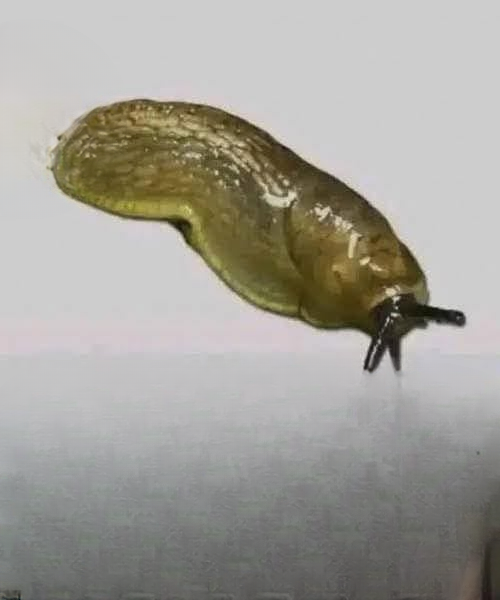
When a slug slowly glides across your patio, garden path, or even your kitchen floor, your first reaction might not be curiosity. For many people, it’s surprise—or even mild disgust. Slugs are slow, soft-bodied, and leave behind shimmering trails that seem inconvenient at best.
But what if a slug’s visit isn’t random? What if its presence reveals something meaningful about your environment?
Far from being pointless pests, slugs are fascinating ecological contributors. They are recyclers, soil enhancers, environmental indicators, and even subjects of medical research. Their appearance in or around your home may say less about “infestation” and more about the condition of your soil, moisture levels, and local biodiversity.
In this in-depth exploration, we’ll uncover what slugs really are, why they show up near homes, how they support ecosystems, what they signal about environmental health, and why science is paying closer attention to these understated creatures.
What Exactly Is a Slug?
At first glance, a slug may seem like a shell-less snail—and that’s not far from the truth.
Slugs belong to the class Gastropoda, which includes snails, limpets, and other soft-bodied mollusks. While snails carry visible external shells, most land slugs either lack shells entirely or possess only a small internal remnant.
They are invertebrates with soft, muscular bodies designed for movement across damp environments. Their anatomy includes:
-
A muscular “foot” used for locomotion
-
Tentacles for sensing light and smell
-
A rasping mouthpart called a radula for scraping food
-
A mucus-producing gland
That mucus—often referred to as slime—is one of the slug’s most remarkable adaptations.
The Purpose of Slime: More Than Just a Trail
The shiny, silvery trail left behind by a slug is not waste. It’s an essential survival tool.
Slug mucus serves several important functions:
1. Movement
Slugs glide by contracting muscles along their foot while secreting mucus that reduces friction. This allows them to travel across rough surfaces without injury.
2. Moisture Retention
Because slugs lack protective shells, they are highly vulnerable to drying out. Their mucus helps maintain hydration.
3. Defense
Some slug species produce thicker mucus when threatened, making them harder for predators to grasp.
4. Climbing Ability
Mucus enables slugs to climb vertical surfaces—including walls and plant stems.
What may look messy is actually a sophisticated biological system.
Why Are Slugs Showing Up at Your Home?
If slugs are visiting your property, they aren’t doing so randomly. They are responding to environmental conditions.
Slugs are attracted to:
-
Moist soil
-
Decaying plant matter
-
Mulch
-
Compost piles
-
Dense vegetation
-
Shaded garden beds
Their presence often indicates that your outdoor space supports organic life.
Rather than signaling neglect, slugs frequently indicate that your soil contains the organic matter necessary to sustain decomposers.
Nature’s Cleanup Crew: Slugs as Decomposers
One of the most important ecological roles slugs play is decomposition.
In any healthy ecosystem, organic material is constantly recycled. Leaves fall. Plants die. Fungi grow and decay. Without decomposers, this material would accumulate indefinitely.
Slugs contribute by feeding on:
-
Fallen leaves
-
Dead plant stems
-
Fungi
-
Algae
-
Soft decaying vegetation
As they consume this material, they break it down into smaller particles. Microorganisms like bacteria and fungi then continue the process, eventually converting organic matter into nutrient-rich soil.
This recycling process is essential for plant growth.
Soil Health: Slugs as Hidden Contributors
When we think about soil improvement, earthworms usually get the spotlight. But slugs are part of the same underground network.
As members of Gastropoda, slugs contribute to soil health by:
-
Fragmenting organic matter
-
Stimulating microbial growth
-
Recycling nutrients
-
Supporting fungal networks
Their waste products enrich soil with processed nutrients that plants can absorb more easily.
Healthy soil isn’t just dirt—it’s a living system. Slugs are part of that system.
Slugs in the Food Web
Slugs also play a crucial role in supporting wildlife.
Many animals depend on slugs as a food source, including:
-
Birds (such as thrushes and robins)
-
Frogs and toads
-
Hedgehogs
-
Beetles
-
Shrews
If slugs are present, it often means the food web is functioning.
Remove slugs entirely, and you may disrupt predator populations that rely on them.
This interconnectedness reminds us that even small creatures contribute to larger ecological stability.
Slugs as Environmental Indicators
Slugs are sensitive to environmental conditions, particularly moisture.
Their presence can signal:
1. High Humidity
Slugs thrive in damp environments.
2. Recent Rainfall
After storms, slugs often emerge in greater numbers.
3. Organic-Rich Soil
Compost-heavy gardens are attractive to them.
4. Shaded Conditions
Dense plant cover provides protection.
5. Indoor Moisture Issues
If slugs appear inside basements or crawl spaces, it may indicate excess moisture or leaks.
Instead of seeing them as random intruders, you can view slugs as biological indicators—living signs of environmental conditions.
When Slugs Enter the House
Outdoor slugs are common. Indoor slugs are less so—but not unheard of.
They typically enter homes when:
-
There are small foundation gaps
-
Doors or windows are left open
-
Basements are damp
-
Plumbing leaks create moisture
Slugs do not invade homes to cause harm. They are usually seeking moisture or shelter.
If you notice indoor slugs, it may be worth checking for water leaks or improving ventilation.
The Balance Between Garden Benefits and Plant Damage
It’s true that slugs can sometimes damage garden plants, especially tender seedlings. They may feed on:
-
Lettuce
-
Strawberries
-
Hostas
-
Young vegetable shoots
However, their ecological contributions often outweigh the occasional plant nibbling.
Balanced gardens usually maintain natural predators that keep slug populations under control.
Encouraging biodiversity—rather than eliminating one species entirely—supports long-term stability.
Slugs and Biodiversity
Biodiversity refers to the variety of living organisms in a given area.
A yard that supports:
-
Insects
-
Worms
-
Birds
-
Amphibians
-
Microorganisms
-
Slugs
is generally healthier than one that supports very little life.
Slugs contribute to this diversity and reflect ecological richness.
Cultural Interpretations of Slugs
Across cultures, slow-moving creatures like slugs and snails often symbolize:
-
Patience
-
Persistence
-
Adaptability
-
Resilience
Though not universally celebrated, they represent survival in challenging environments.
Their ability to thrive without speed or strength highlights evolutionary efficiency.
Slugs in Scientific Research
Slugs are not just ecological helpers—they’re valuable to science.
Researchers study slug mucus for its unique properties.
Slug slime contains compounds with:
-
Adhesive qualities
-
Moisture-retention abilities
-
Antibacterial properties
-
Potential wound-healing benefits
Studies of mollusk mucus have inspired medical adhesives and regenerative research.
Snail mucin, derived from related species within Gastropoda, has gained attention in skincare science for its hydrating and repair-supporting properties.
This research demonstrates that even humble garden organisms can inspire innovation.
The Role of Moisture in Slug Behavior
Slugs are nocturnal and moisture-dependent.
They are most active:
-
At night
-
During rain
-
In early morning
-
In shaded environments
If you see slugs frequently, it often means your garden retains moisture well.
While excessive dampness can cause structural concerns indoors, outdoor moisture retention is often beneficial for plant life.
Slugs and Compost Systems
If you maintain a compost pile, slugs may be regular visitors.
Compost offers:
-
Food
-
Shelter
-
Humidity
-
Organic matter
Their activity accelerates the breakdown process, helping transform waste into nutrient-rich compost.
Rather than being compost enemies, slugs are contributors.
Managing Slugs Without Harming Ecosystems
If slug populations grow too large for your comfort, there are environmentally balanced ways to manage them:
-
Improve drainage in overly wet areas
-
Remove excess hiding spots near foundations
-
Encourage natural predators
-
Use copper barriers around sensitive plants
-
Water plants in the morning instead of evening
Avoiding harsh chemicals protects other beneficial organisms.
The goal isn’t eradication—it’s balance.
What a Slug Visit Might Be Telling You
If a slug appears in your yard, it may signal:
-
Healthy organic soil
-
Strong decomposition processes
-
Functioning food webs
-
High moisture levels
-
Active microbial communities
If it appears indoors, it may signal:
-
Excess dampness
-
Structural entry points
-
Ventilation issues
In either case, the slug is offering environmental information.
A Shift in Perspective
It’s easy to dismiss creatures we don’t immediately appreciate.
But ecosystems depend on organisms of all sizes—not just the charismatic or colorful ones.
Slugs quietly:
-
Recycle nutrients
-
Support predators
-
Enhance soil
-
Inspire science
They may move slowly, but their ecological impact is steady and significant.
Final Thoughts: More Than Meets the Eye
The next time you spot a slug gliding across your garden path, consider pausing before reacting.
That small, soft-bodied visitor may be telling you:
-
Your soil is alive.
-
Your garden supports biodiversity.
-
Moisture levels are stable.
-
Decomposition is underway.
Even if you prefer to guide it gently away from your doorstep, recognizing its role fosters greater environmental awareness.
Nature operates through countless small processes. Slugs are part of that quiet machinery—recycling, nourishing, and sustaining life beneath our notice.
So yes, when a slug visits your house, it may mean more than you think.
It might just mean your ecosystem is working exactly as it should.