Summer is a season that fills many of us with joy. The long days of sunshine, the warmth on our skin, the smell of freshly cut grass, and the sound of birds singing—there’s something inherently uplifting about this time of year. Personally, I have always been a summer enthusiast. There’s nothing quite like stepping outside in a crop top or tank top, feeling the sun’s rays on your skin while sipping an iced Americano. Winter may have its charms—the cozy blankets, holiday lights, or snow-covered streets—but for me, warmth and freedom always win.
Yet, for all the joys of summer, there’s an inevitable nuisance that comes with it: mosquitoes. These tiny, buzzing creatures have a way of making the most idyllic days feel like a challenge. They seem to have a particular fondness for some people, myself included. While a few friends can lounge outside without a care, I somehow turn into a mosquito magnet the minute I step outdoors.
If you’ve ever wondered why mosquitoes seem to target certain people while sparing others, you’re not alone. Interestingly, there are science-backed explanations for this, ranging from blood type to genetics, and even to lifestyle choices. Understanding the reasons behind this phenomenon can not only satisfy your curiosity but also help you take practical steps to reduce those itchy bites.
Blood Type: The Mosquito Magnet
One of the most surprising factors influencing mosquito attraction is blood type. Several studies have shown that mosquitoes are not indiscriminate feeders—they exhibit preferences. Type O blood, in particular, has been found to attract more mosquito attention than other blood types.
Research suggests that individuals with Type O blood are about twice as likely to be bitten as those with Type A. People with Type B blood seem to fall somewhere in the middle, while Type AB is considered the least attractive to these pests.
For me, this revelation hit home. I am a Type O, which explains why I always seem to be the first person they target during summer gatherings. While blood type is a factor we can’t change, knowing this helps contextualize why bites feel so personalized. It’s not a reflection of luck—it’s biology.
Carbon Dioxide: Exhaling Danger
Another key factor that draws mosquitoes toward humans is carbon dioxide (CO2). Mosquitoes have specialized receptors that detect CO2 from up to 50 meters away. This ability allows them to locate potential hosts efficiently.
People naturally emit CO2 when they breathe, but some emit more than others. Larger individuals, for example, exhale more CO2, making them more noticeable to mosquitoes. Similarly, people who are physically active or have a higher metabolism may also release greater amounts of CO2, further increasing the likelihood of being bitten.
Personally, I enjoy early morning jogs during the summer. While they invigorate me and help me stay fit, I now know that these sessions may also be subtly marking me as a target for mosquitoes. It’s an unexpected side effect of exercise that I hadn’t considered before.
Body Heat and Sweat: Natural Lures
Mosquitoes are drawn to warmth and chemical compounds found in sweat. Lactic acid, uric acid, and ammonia are all components of sweat that can attract these insects. This explains why people tend to get bitten more when they are exercising or simply spending time in the heat.
Interestingly, even clothing color can make a difference. Darker colors like black, navy, or red can increase body heat absorption and make a person more noticeable to mosquitoes. Summer volleyball games, beach trips, or evening barbecues—all activities I love—combine warm skin, sweat, and often darker clothing, creating a perfect storm for mosquito attraction.
It’s a fascinating reminder that the simple joys of summer—exercise, outdoor activities, and social gatherings—can inadvertently make us more appealing to mosquitoes.
Genetics: It’s in Your DNA
Perhaps the most surprising reason some people are more prone to mosquito bites than others is genetics. Scientists estimate that up to 85% of mosquito attraction is determined by genetic factors. This includes skin chemistry, sweat composition, and even body odor.
If your parents or siblings tend to get bitten more than others, it’s likely that your genetic makeup plays a role as well. While this might seem discouraging, understanding that there’s a biological reason behind it can prevent unnecessary frustration. It’s not personal—it’s hereditary.
Tips to Reduce Mosquito Bites
Now that we’ve explored why mosquitoes might prefer some people over others, the next question is: what can we do to minimize these bites? Fortunately, there are effective and safe strategies.
1. Use Mosquito Repellents
Mosquito repellents containing DEET, picaridin, or natural ingredients like lemon eucalyptus oil have been proven effective. Applying these products to exposed skin before heading outdoors—especially during peak mosquito activity times, such as dusk and dawn—can make a significant difference.
2. Wear Protective Clothing
Light-colored clothing that covers arms and legs can help reduce exposure. Loose-fitting fabrics are also preferable, as mosquitoes find it easier to bite through tight clothing. Pairing coverage with light colors reduces heat absorption and makes you less noticeable to mosquitoes.
3. Reduce Mosquito Habitats Around Your Home
Mosquitoes thrive in standing water, even in small quantities like plant saucers or clogged gutters. Regularly emptying these, installing window screens, and running fans outdoors can make your environment less appealing. Mosquitoes are weak fliers, so a breeze created by a fan can disrupt their flight patterns.
4. Use Topical Treatments for Bites
If you do get bitten, antihistamine creams, hydrocortisone, or soothing aloe vera can reduce itching and inflammation. Cold compresses are another effective home remedy to calm irritated skin.
Understanding Allergic Reactions
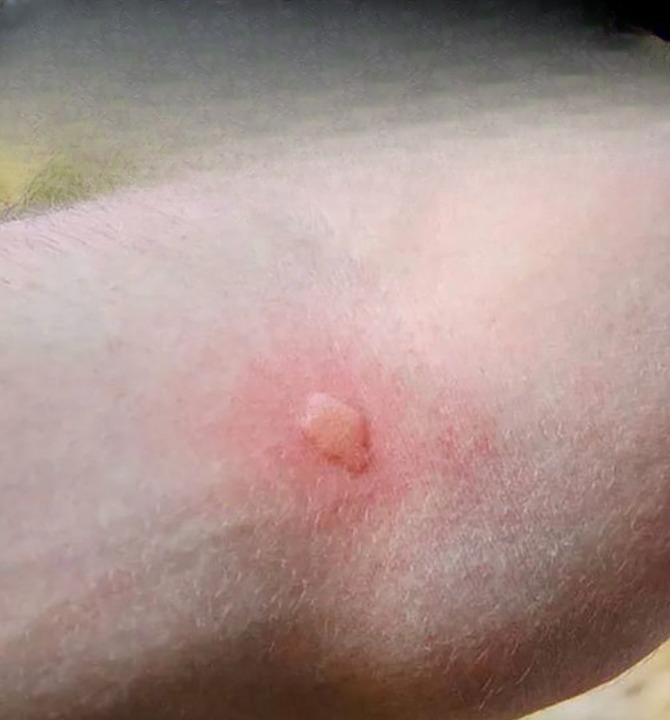
Some people may experience more severe reactions to mosquito bites. While most reactions are mild—itching, redness, and swelling—others can be more pronounced, including large welts or even mild systemic symptoms. This is often due to a heightened immune response to proteins in mosquito saliva.
Being aware of these reactions can help you take preventive measures and seek medical advice if necessary. For those particularly sensitive, professional guidance may be recommended to manage severe reactions safely.
Summer Lifestyle and Mosquito Interaction
It’s interesting how lifestyle habits interact with mosquito attraction. People who spend more time outdoors, engage in physical activity, or attend social gatherings during evening hours are naturally more exposed to mosquito habitats. Even dietary choices can have subtle effects on body chemistry, which may influence how noticeable you are to mosquitoes.
Understanding these factors allows for a more proactive approach. Planning outdoor activities during lower-risk times, combining protective clothing with repellent, and keeping surroundings free of breeding grounds are small but effective strategies that collectively reduce bites.
The Role of Scent
Mosquitoes are sensitive to body odor. Natural skin bacteria produce volatile compounds that mosquitoes can detect, guiding them to potential hosts. Each person has a unique combination of bacteria and skin chemistry, meaning some people are naturally more “attractive” to mosquitoes.
Even fragrances like perfumes, scented lotions, or deodorants may enhance or reduce mosquito attraction. While research is ongoing, anecdotal evidence suggests that neutral or lightly scented products may be less enticing to these insects.
Environmental Factors
Temperature, humidity, and rainfall patterns also influence mosquito activity. Warmer, humid environments are ideal for mosquito breeding. Certain times of the day—dusk and dawn—see peak mosquito activity, which coincides with cooler temperatures that trigger outdoor leisure activities. Being aware of environmental conditions allows for better planning and protection strategies.
Prevention Beyond the Basics
Beyond repellents and clothing, several innovative methods can reduce mosquito exposure:
-
Citronella candles or essential oils: Helpful in small outdoor spaces.
-
Mosquito traps: Devices that attract and capture mosquitoes using light or CO2.
-
Protective nets: Especially useful during outdoor sleeping or camping.
-
Regular landscaping: Keeping grass short and trimming bushes reduces resting spots.
Combining multiple strategies offers the best results for both comfort and safety.
Embracing Summer Despite Mosquitoes
Even knowing all the reasons mosquitoes may target us, summer’s joys are worth protecting. Sunshine, outdoor sports, beach trips, and evenings with friends can all coexist with proactive mosquito management.
It’s empowering to understand the biology behind these tiny pests. By combining awareness with preventive measures, we reclaim our space in the sun and reduce the frustration of constant bites.
Conclusion: Knowledge is Power
Mosquitoes may seem like an unavoidable nuisance, but the truth is they’re selective, influenced by blood type, genetics, body heat, carbon dioxide, and even scent. While we can’t change who we are biologically, we can adjust our environment, habits, and strategies to minimize their impact.
Understanding these factors transforms our relationship with summer. No longer at the mercy of these buzzing insects, we can enjoy outdoor activities more safely and comfortably. Mosquitoes may still bite, but knowledge and preparation allow us to reclaim the season.
For anyone who finds themselves consistently targeted, remember: it’s not personal, it’s biology. And with the right tools, you can enjoy all the warmth, sunshine, and adventures summer has to offer—without letting mosquitoes steal the spotlight.