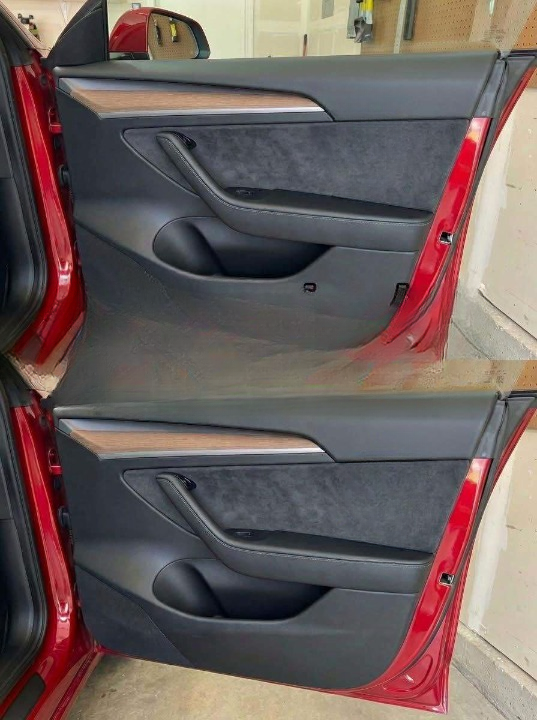
Modern vehicles include many technologies designed to improve convenience and safety. Features such as keyless entry, electronic door handles, automatic locking systems, and push-button start have become common in many new cars. While these systems simplify everyday driving, they also raise an important question that many drivers never consider: what happens if the vehicle loses electrical power after a collision?
Fortunately, vehicle manufacturers anticipate the possibility of electrical failures and typically include manual emergency door releases or other backup methods for opening doors. However, many drivers are unaware that these features exist or where they are located.
Understanding how your own vehicle’s emergency exit system works is a simple step that can improve your preparedness without requiring special equipment or extensive training.
How Electronic Door Systems Work
Many modern vehicles use electronic latches instead of traditional mechanical door mechanisms.
When you pull an electronic door handle or press an interior release button, an electrical signal activates the latch that unlocks and opens the door.
During normal operation, the process is nearly instantaneous, making it feel similar to older mechanical systems.
Depending on the vehicle’s design, these systems may offer additional benefits, including:
- Improved security
- Automatic locking features
- Integration with keyless entry systems
- Simplified exterior styling
- Reduced mechanical components
Although these systems are designed with multiple safety features, they still rely on electrical components that could be affected during certain types of collisions or vehicle malfunctions.
Why Backup Door Releases Exist
Automakers understand that electrical systems may occasionally fail.
For that reason, most vehicles equipped with electronic door latches also include a manual emergency release that allows occupants to open the door without electrical power.
The exact design varies by manufacturer.
Depending on the vehicle, the manual release may be:
- Built into the interior door handle
- Hidden beneath a small protective cover
- Located near the armrest
- Positioned beside the window controls
- Incorporated into another easily accessible location
Because every manufacturer uses different designs, the owner’s manual is the best source for learning how your vehicle’s emergency release functions.
Become Familiar With Your Vehicle Before an Emergency
One of the easiest ways to prepare for unexpected situations is to spend a few minutes learning where important emergency features are located.
Most drivers quickly learn how to use navigation systems, climate controls, and entertainment features but rarely review the emergency information included in the owner’s manual.
Taking a few minutes to identify the following can be worthwhile:
- Manual interior door release
- Child safety lock operation
- Hazard light switch
- Hood release
- Fuel door release
- Spare tire location
- Jack and tire-changing equipment
Understanding these features while parked at home is much easier than trying to locate them under stressful circumstances.
What to Do After a Collision
Every collision is different.
If you are involved in an accident, your actions should depend on the specific situation and your condition.
General safety recommendations include:
- Stay as calm as possible.
- Check yourself and passengers for injuries if it is safe to do so.
- Turn on the hazard lights if the vehicle remains operational.
- Call emergency services or ask someone nearby to do so.
- If it is safe, exit the vehicle using the normal door release or the manual emergency release if necessary.
- Move to a safe location away from traffic whenever possible.
If you cannot safely exit because of injuries or significant vehicle damage, remain where you are if doing so presents less risk than attempting to leave, and wait for trained emergency responders.
Every situation is unique, so there is no single procedure that applies to every accident.
If Electrical Power Is Lost
A severe impact can sometimes interrupt a vehicle’s electrical system.
If electronic door controls stop responding, many vehicles still allow occupants to open the doors using the built-in manual release.
Because every model differs, it is important to know how your specific vehicle operates before an emergency occurs.
Some manufacturers also provide instructions describing what happens if the 12-volt battery becomes discharged.
Reviewing these procedures in advance can help eliminate uncertainty if they are ever needed.
Emergency Trunk Releases
Most passenger vehicles sold in many countries include an internal emergency trunk release.
This feature was introduced primarily to prevent accidental entrapment.
The release is usually designed to glow in the dark, making it easier to locate if visibility is limited.
Although it is intended mainly as a safety feature for the trunk compartment, understanding how it works is useful for anyone who regularly drives or rides in the vehicle.
Parents may also wish to ensure older children understand that the trunk contains an emergency release, while emphasizing that the trunk should never be used as a play area.
Emergency Escape Tools
Some drivers choose to keep an emergency escape tool inside their vehicle.
These compact devices often combine two functions:
- A window-breaking tip designed for tempered side windows.
- A protected blade for cutting a seat belt if it becomes difficult to release.
While many people never need these tools, they can be useful in certain emergency situations.
If you decide to carry one, consider storing it somewhere easily accessible from the driver’s seat rather than inside the trunk or another difficult-to-reach location.
Be sure everyone who regularly drives the vehicle knows where it is stored.
The Importance of Reading the Owner’s Manual
Every vehicle is different.
Door releases, locking systems, child safety features, and emergency procedures vary among manufacturers and even between different model years.
The owner’s manual explains:
- Manual door operation
- Lock override procedures
- Battery-related functions
- Emergency releases
- Safety equipment
- Warning indicators
Many manuals are also available digitally through the manufacturer’s website or mobile app.
Reviewing these sections only takes a few minutes and can help you better understand how your vehicle is designed.
Talk With Family Members
If multiple people drive the same vehicle, consider showing each driver where important safety features are located.
This includes:
- Manual door releases
- Hazard lights
- Emergency trunk release
- Seat adjustments
- Parking brake
- Emergency tool location (if equipped)
Teen drivers, older family members, or anyone borrowing the vehicle may not be familiar with its electronic systems.
A brief explanation before they drive can help build confidence and reduce confusion.
Modern Vehicles Continue to Improve Safety
Today’s vehicles include many advanced safety technologies that were unavailable just a few decades ago.
Common features now include:
- Automatic emergency braking
- Lane departure warning
- Blind spot monitoring
- Multiple airbags
- Electronic stability control
- Reinforced passenger compartments
- Collision detection systems
These technologies have contributed significantly to improving occupant safety and reducing injuries in many types of crashes.
Electronic door systems are also designed with safety in mind, including backup methods for opening doors when necessary.
Preparation Is Part of Safe Driving
Safe driving involves more than following traffic laws.
It also includes understanding the equipment built into your vehicle.
Taking a few minutes to learn about emergency door releases and other safety features requires very little effort and can help you feel more confident behind the wheel.
Simple preparation may include:
- Reading the emergency section of your owner’s manual.
- Locating manual door releases.
- Knowing how to activate hazard lights.
- Keeping emergency contact information available.
- Carrying a basic roadside emergency kit if appropriate.
These steps do not require specialized knowledge, yet they can improve your familiarity with the vehicle you drive every day.
Final Thoughts
Electronic door systems have become increasingly common as vehicle technology continues to evolve. While these systems provide convenience during everyday driving, manufacturers generally include manual backup releases so occupants can open doors if electrical power is unavailable.
Because every vehicle is designed differently, the best preparation is to become familiar with your specific model before an emergency occurs. Reading your owner’s manual, locating emergency door releases, and understanding your vehicle’s safety features are simple steps that can improve your confidence and preparedness.
Although most drivers will never need to use these backup systems, knowing they exist—and understanding how they work—can help ensure you’re better informed about the safety features built into your vehicle. Staying familiar with your car’s design is just one part of responsible vehicle ownership and can contribute to safer travel for you and your passengers.