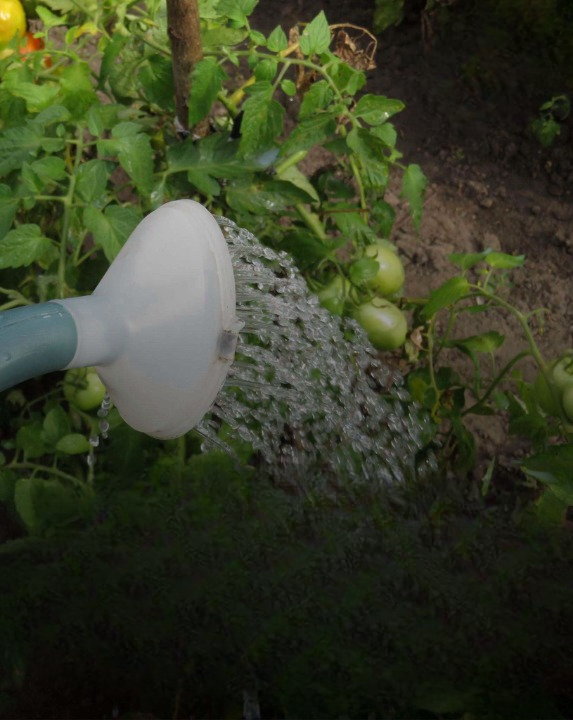
Watering is one of the most important parts of garden care, but when and how you water can make just as much difference as how much water you use. While it may seem that giving plants a quick spray whenever you have time is enough, proper watering techniques can encourage stronger roots, healthier growth, and more efficient water use.
Whether you’re growing flowers, vegetables, shrubs, or a lawn, these practical tips can help your garden thrive throughout the growing season.
1. Water Early in the Morning
For most gardens, the ideal time to water is early in the morning, shortly after sunrise.
During the cooler morning hours, water has more time to soak into the soil before temperatures rise. Any moisture that lands on leaves usually dries as the day warms, helping reduce the chance of moisture-related plant diseases.
Morning watering also gives plants access to water before they experience the heat of the day.
2. Avoid Watering During the Hottest Part of the Day
Watering in the middle of a hot afternoon is generally less efficient.
Higher temperatures, direct sunlight, and wind can increase evaporation, meaning less water reaches the plant roots where it is needed most.
If plants are showing signs of severe heat stress, a light emergency watering may be appropriate, but regular watering is usually more effective during cooler parts of the day.
3. Be Cautious With Late Evening Watering
Watering in the evening can reduce evaporation, but moisture may remain on leaves for an extended period if temperatures stay cool overnight.
Prolonged damp foliage can create favorable conditions for certain fungal diseases on susceptible plants.
If evening watering is necessary, aim the water directly at the soil rather than soaking the leaves whenever possible.
4. Water Deeply Instead of Frequently
One common mistake is applying small amounts of water every day.
Shallow watering encourages roots to remain close to the soil surface, where they dry out more quickly.
Instead, watering deeply and less often encourages roots to grow farther into the soil, making many plants more resilient during warm or dry weather.
5. Match Watering to Your Plants’ Needs
Different plants require different amounts of moisture.
For example:
- Leafy vegetables often need more consistent watering.
- Many herbs can tolerate drier conditions once established.
- Succulents generally require much less water.
- Newly planted trees and shrubs often need more frequent attention until their roots become established.
Grouping plants with similar watering needs can make irrigation more efficient.
6. Understand Your Soil
Soil type plays a major role in how water is absorbed and retained.
- Sandy soils drain quickly and may need more frequent watering.
- Clay soils hold moisture longer but drain more slowly.
- Loamy soils generally provide a good balance of drainage and moisture retention.
Checking your soil regularly helps you adjust your watering schedule based on actual conditions instead of following a fixed routine.
7. Add Mulch Around Plants
A layer of organic mulch offers several benefits for the garden.
Mulch helps:
- Reduce water evaporation
- Keep soil temperatures more consistent
- Suppress weeds
- Improve soil quality over time as it decomposes
Wood chips, shredded bark, straw, or compost are popular mulch options for many landscape and vegetable gardens.
8. Use Efficient Watering Methods
Applying water directly to the soil is often more efficient than spraying it broadly over plants.
Many gardeners choose tools such as:
- Drip irrigation systems
- Soaker hoses
- Watering wands
- Slow-flow garden hoses
These methods deliver moisture close to the roots while reducing water waste.
9. Check Soil Moisture Before Watering
Rather than watering on a fixed schedule, it’s helpful to check whether your plants actually need water.
A simple method is to insert your finger about two to three inches into the soil.
- If the soil still feels cool and moist, watering can often wait.
- If it feels dry at that depth, it’s usually a good time to water.
This simple habit can help prevent both overwatering and underwatering.
10. Adjust for Weather Conditions
Weather has a significant impact on watering needs.
Rainfall, humidity, wind, and temperature all influence how quickly soil dries out.
After a substantial rain, many gardens may not need additional watering for several days. During extended hot or windy periods, plants may require more frequent monitoring.
Observing weather forecasts can help you make informed watering decisions while conserving water.
Signs Your Garden May Need Attention
Plants often provide clues about their water needs.
Possible signs include:
- Wilting during cooler parts of the day
- Dry soil several inches below the surface
- Slower-than-normal growth
- Leaves that appear dry around the edges
Keep in mind that some plants naturally droop temporarily during the hottest part of the afternoon and recover later in the day, so it’s helpful to check soil moisture before watering.
Avoid Overwatering
Too much water can be just as harmful as too little.
Excessively wet soil may reduce the amount of oxygen available to plant roots, potentially leading to poor growth or root problems.
If the soil remains constantly saturated, consider adjusting your watering schedule or improving drainage.
Final Thoughts
Healthy gardens develop through consistent care, observation, and understanding the needs of each plant.
By watering early in the morning, soaking the soil thoroughly, using mulch, checking moisture levels, and adjusting to changing weather conditions, you can promote healthier roots, stronger plants, and more efficient water use.
Small improvements in your watering routine can make a noticeable difference over time, helping your garden remain productive and attractive throughout the growing season.