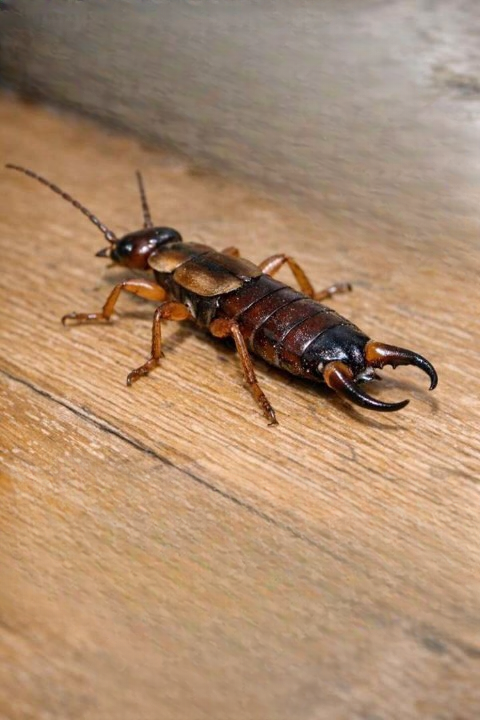
Discovering an unfamiliar insect inside your home can be surprising, especially when it has a distinctive appearance. One insect that often causes concern is the earwig, easily recognized by the pair of curved pincers at the end of its body. Although its appearance may seem intimidating, earwigs are generally harmless and are more interested in finding shelter than interacting with people or pets.
Understanding what these insects are, why they enter homes, and how to prevent them from becoming frequent visitors can help you respond calmly if you encounter one.
What Is an Earwig?
Earwigs are small insects that belong to the order Dermaptera. Most species measure between half an inch and one inch in length and have slender brown or dark reddish bodies.
Their most recognizable feature is the pair of pincers, known as cerci, located at the rear of their bodies. While these pincers may look threatening, they are primarily used for defense, mating, and handling food rather than attacking people.
Male earwigs usually have more curved pincers, while females tend to have straighter ones.
Are Earwigs Dangerous?
For most households, earwigs are not considered dangerous.
They are not venomous, do not spread diseases to humans, and are not known to pose significant health risks to household pets.
If handled roughly or trapped, an earwig may attempt to pinch with its pincers. However, the pinch is usually mild and may cause little more than temporary discomfort. Most people experience no lasting effects.
Because earwigs prefer avoiding conflict, they usually try to escape rather than defend themselves.
The Truth Behind a Common Myth
One of the oldest myths about earwigs is that they crawl into people’s ears while they sleep.
Despite the insect’s name, there is no scientific evidence supporting this belief.
Earwigs do not seek out human ears, they do not lay eggs inside people, and they have no natural behavior that involves approaching sleeping humans. Like many insects, they generally avoid contact with large animals whenever possible.
Why Earwigs Enter Homes
Earwigs typically live outdoors in cool, damp environments where they can remain hidden during the day.
They may enter homes while searching for:
- Moisture
- Shelter from extreme weather
- Cool, shaded hiding places
They are commonly found in basements, bathrooms, laundry rooms, garages, crawl spaces, and other areas with higher humidity.
Heavy rainfall, prolonged dry weather, or sudden temperature changes can increase the likelihood of earwigs wandering indoors.
What Their Presence Might Indicate
Finding a single earwig indoors is usually not a cause for concern.
However, seeing them frequently may suggest that excess moisture is present around or inside the home.
Common sources include:
- Plumbing leaks
- Damp basements
- Poor ventilation
- Clogged gutters
- Overwatered landscaping
- Standing water near the foundation
Addressing these moisture issues not only discourages earwigs but can also help reduce the likelihood of mold and other moisture-related problems.
Simple Ways to Reduce Earwig Activity
Fortunately, preventing earwigs from entering your home usually involves straightforward maintenance rather than extensive pest control.
Helpful steps include:
- Seal gaps around doors, windows, and foundations.
- Repair leaking pipes or faucets.
- Improve ventilation in damp rooms.
- Use a dehumidifier in areas with excess humidity.
- Remove piles of leaves, mulch, and other organic debris near the home’s exterior.
- Keep vegetation trimmed away from exterior walls.
These measures make your home less attractive to earwigs and many other moisture-loving insects.
Their Role Outdoors
Although people often view earwigs as pests, they also play an important role in nature.
Outdoors, they feed on decaying plant material, fungi, and small insects, helping recycle organic matter in gardens and natural environments.
Some species may even consume insects that can damage garden plants, making them beneficial in certain situations.
Like many wildlife species, earwigs contribute to the balance of local ecosystems.
What to Do If You Find One Indoors
If you discover an earwig inside your home, there is usually no need for alarm.
You can simply capture it using a cup and a piece of paper and release it outdoors if you prefer not to keep it inside.
If earwigs appear regularly, inspecting your home for excess moisture and sealing potential entry points can often solve the problem without the need for stronger pest-control measures.
Final Thoughts
Although earwigs may look intimidating because of their distinctive pincers, they are generally harmless insects that prefer dark, damp hiding places and avoid contact with people.
Understanding their behavior can help replace common myths with practical knowledge. By reducing moisture, maintaining your home, and sealing entry points, you can greatly reduce the chances of seeing them indoors.