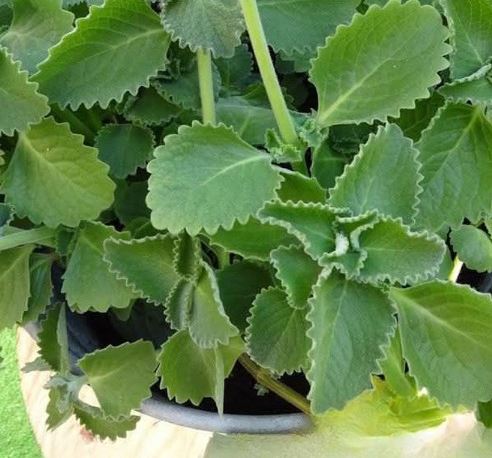
In the world of nutrition and home cooking, certain ingredients quietly stand the test of time. Oregano is one of those ingredients. Known for its bold aroma and distinctive taste, this herb has been used for centuries across various cultures—not only to enhance flavor but also as part of traditional practices related to wellness.
In recent years, oregano has gained renewed attention in modern health conversations. It is sometimes described in popular media as a powerful natural ingredient due to the plant compounds it contains. While there is genuine interest in its properties, it is important to approach these claims with a balanced and evidence-based perspective.
Oregano is not a cure or a substitute for medical care. However, it can absolutely be a valuable addition to everyday meals and a supportive component of a well-rounded diet. This article takes a deeper look at oregano—its nutritional composition, traditional uses, current research insights, and practical ways to include it in your daily routine safely and effectively.
What Is Oregano?
Oregano, scientifically known as Origanum vulgare, is a perennial herb that belongs to the mint family. It grows naturally in regions such as Southern Europe, the Mediterranean, and parts of Asia, where it has long been integrated into local cuisines.
The herb is commonly used in two forms:
- Dried oregano, which has a concentrated flavor and is often used in cooking
- Fresh oregano leaves, which provide a slightly milder but more vibrant taste
Its recognizable scent and flavor come from naturally occurring plant compounds, including:
- Carvacrol
- Thymol
- Rosmarinic acid
- Various flavonoids and phenolic compounds
These substances are responsible not only for oregano’s culinary appeal but also for the scientific interest surrounding its potential biological properties.
Nutritional Value of Oregano
Although oregano is typically used in small amounts, it still contributes valuable nutrients and plant compounds to the diet.
Oregano may provide:
- Antioxidants, which help protect cells from oxidative stress
- Vitamin K, important for normal blood clotting and bone health
- Vitamin A, which supports vision and immune function
- Trace minerals, including calcium, iron, and manganese
Because oregano is consumed in relatively small quantities, it should not be relied upon as a primary source of nutrients. Instead, it works best as a complementary ingredient that enhances both flavor and nutritional diversity within meals.
The Role of Antioxidants in Oregano
One of the most widely discussed aspects of oregano is its antioxidant content. Antioxidants are compounds that help neutralize free radicals—unstable molecules that can contribute to cellular stress over time.
Oregano contains several plant-based antioxidants, including polyphenols and flavonoids. These compounds are also found in many fruits, vegetables, and herbs.
It’s important to understand that:
- Antioxidants work best as part of a varied diet
- No single food provides all the protection the body needs
- A combination of plant-based foods is key for balanced nutrition
Including herbs like oregano alongside other nutrient-rich foods helps contribute to overall dietary quality.
Traditional Uses of Oregano
Oregano has a long history in traditional practices, particularly in Mediterranean and Middle Eastern cultures. While these uses are not always backed by modern clinical research, they provide insight into how the herb has been valued over time.
Historically, oregano has been used for:
- Flavoring a wide variety of dishes
- Preparing herbal infusions such as teas
- Supporting general digestive comfort in traditional settings
- Preserving food due to its strong aroma
These uses reflect cultural knowledge passed down through generations. While tradition alone does not confirm scientific effectiveness, it highlights oregano’s long-standing role in everyday life.
What Modern Research Says
Scientific interest in oregano has increased in recent decades, particularly due to its plant compounds like carvacrol and thymol.
Laboratory studies have explored oregano extracts for their potential:
- Antioxidant activity
- Antimicrobial properties in controlled environments
- Interaction with certain biological processes
However, it is essential to interpret these findings carefully.
Most of this research has been conducted in laboratory settings (such as test tubes or animal models), which do not always translate directly to everyday dietary use in humans.
Current understanding suggests:
- Oregano contains compounds with interesting properties
- These compounds may contribute to general wellness when consumed as part of a balanced diet
- More human-based research is needed for definitive conclusions
This means oregano should be appreciated for its nutritional contribution, not treated as a medical solution.
Everyday Culinary Uses of Oregano
One of oregano’s greatest strengths is its versatility in cooking. It pairs well with a wide range of ingredients and cuisines, making it easy to incorporate into daily meals.
1. As a Cooking Herb
Dried oregano is commonly used in:
- Tomato-based sauces
- Pasta dishes
- Pizza toppings
- Soups and stews
- Roasted vegetables
It blends especially well with olive oil, garlic, onions, and other herbs.
2. Fresh Oregano in Recipes
Fresh oregano leaves can be:
- Chopped into salads
- Added to marinades
- Used as a garnish for grilled dishes
Fresh oregano offers a slightly brighter and more complex flavor compared to its dried form.
3. Herbal Tea Preparation
Some people prepare oregano tea by steeping leaves in hot water. This is a traditional practice in certain cultures and is typically consumed in moderate amounts.
4. Infused Oils
Oregano can be infused into oils for cooking or dressings. This method allows the herb’s flavor to be distributed evenly across dishes.
Potential Benefits in a Balanced Diet
When included as part of a varied diet, oregano may offer several supportive roles.
1. Enhancing Flavor Naturally
Oregano allows you to add depth and richness to meals without relying heavily on salt or processed seasonings. This can support healthier eating habits over time.
2. Supporting Dietary Variety
Adding herbs like oregano increases the diversity of plant compounds in your diet. Greater variety is often associated with better overall nutrition.
3. Contributing Antioxidants
While small in quantity, oregano adds to your overall antioxidant intake when combined with other plant-based foods.
4. Encouraging Home Cooking
Using herbs often encourages more home-prepared meals, which are generally associated with better dietary control and balance.
Common Misconceptions About Oregano
As with many natural ingredients, oregano is sometimes surrounded by exaggerated claims. Understanding the facts can help you make informed choices.
Misconception 1: Oregano Can Replace Medical Treatment
Oregano is not a treatment or cure for diseases. It should never replace professional medical advice or prescribed therapies.
Misconception 2: More Is Always Better
Using excessive amounts of any herb does not increase its benefits and may lead to unwanted effects.
Misconception 3: Natural Means Risk-Free
Even natural substances can have side effects if misused, especially in concentrated forms.
Safety and Responsible Use
Oregano is generally safe when used in typical culinary amounts. However, some precautions are worth noting.
1. Essential Oil vs. Culinary Use
Oregano essential oil is highly concentrated and should not be consumed in the same way as dried or fresh oregano. It should only be used according to proper guidance.
2. Allergies and Sensitivities
Some individuals may have mild sensitivities to herbs. If any discomfort occurs, it’s best to reduce intake.
3. Medical Considerations
People with specific health conditions or those taking medications should consult a healthcare professional before using herbal products in concentrated forms.
Oregano as Part of a Balanced Lifestyle
Nutrition experts consistently emphasize that no single ingredient defines a healthy diet. Instead, overall patterns matter most.
A well-rounded eating approach includes:
- A wide range of vegetables and fruits
- Whole grains such as oats, rice, and whole wheat
- Protein sources like beans, fish, eggs, or lean meats
- Healthy fats from sources like olive oil, nuts, and seeds
- Herbs and spices, including oregano, for flavor and variety
In this context, oregano plays a supporting role—enhancing both taste and nutritional diversity.
Cultural Importance of Oregano
Oregano’s significance extends beyond nutrition. It is deeply embedded in culinary traditions across many regions.
In Mediterranean cuisine, it is a staple ingredient in dishes such as:
- Grilled meats and vegetables
- Tomato-based sauces
- Herb-infused oils
Its widespread use across cultures highlights its adaptability and enduring appeal.
Practical Tips for Using Oregano
If you’re looking to incorporate oregano into your meals more regularly, consider these simple ideas:
- Sprinkle dried oregano over roasted vegetables
- Add it to homemade salad dressings
- Mix it into marinades for meat or plant-based proteins
- Combine it with olive oil and garlic for dipping sauces
- Use it as a finishing herb for soups and stews
These small additions can enhance both flavor and nutritional value.
Final Thoughts
Oregano is a versatile and flavorful herb with a long history of culinary and traditional use. While it contains beneficial plant compounds and contributes to overall dietary quality, it should be viewed in the right context.
It is not a miracle ingredient or a replacement for balanced nutrition and healthy living. Instead, oregano works best as part of a broader approach that includes a variety of whole foods, regular physical activity, and mindful lifestyle choices.
By incorporating oregano into your meals thoughtfully and consistently, you can enjoy both its flavor and its role in supporting a diverse and balanced diet.
In the end, true wellness comes not from a single ingredient, but from the combination of everyday habits that support long-term health.