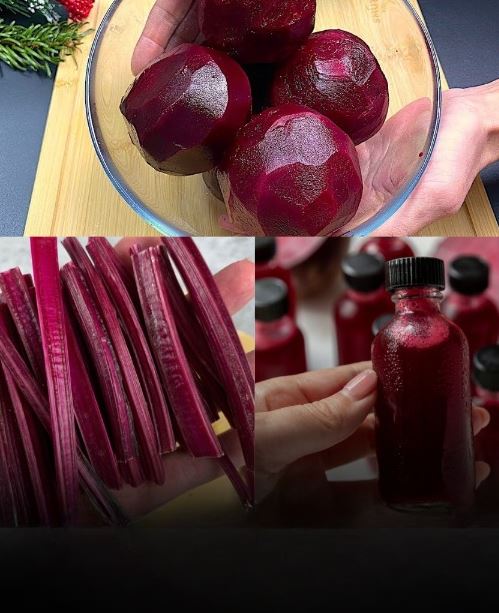
In today’s world, where health trends often come and go, some foods continue to stand the test of time. Beetroot is one of them. Recognized for its deep red color and distinctive earthy taste, this root vegetable has been used in kitchens across the globe for generations. Whether roasted, boiled, grated into salads, or blended into juices, beetroot has long held a place in traditional diets.
More recently, beetroot juice has gained attention as a nutrient-dense beverage that can complement a healthy lifestyle. It is frequently discussed in wellness circles for its natural composition and potential role in supporting overall well-being. However, it’s important to approach such discussions with balance and clarity.
Beetroot juice is not a cure-all or a substitute for medical care. Instead, it can be a helpful addition to a varied, nutritious diet when consumed in moderation. This article offers a comprehensive and realistic look at beetroot juice—its nutritional value, preparation methods, and how it may fit into a broader approach to health.
Understanding Beetroot: A Nutrient-Dense Root Vegetable
Beetroot, also known simply as beet, is a root vegetable that grows underground and develops its signature deep red-purple color from natural pigments called betalains. These pigments are not only responsible for its vibrant appearance but also contribute to its antioxidant properties.
Nutritionally, beetroot contains a variety of important components that support general body functions. These include:
- Folate (Vitamin B9): Essential for cell function and tissue growth
- Potassium: Supports muscle function and fluid balance
- Vitamin C: Plays a role in immune system support and skin health
- Dietary nitrates: Studied for their role in circulation and blood vessel function
- Fiber (in whole beetroot): Supports digestion and gut health
When consumed as juice, beetroot provides many of these nutrients in a more concentrated form, although some fiber is reduced during the juicing process.
Why Beetroot Juice Has Gained Popularity
The growing interest in beetroot juice is largely due to its natural composition and versatility. Unlike heavily processed beverages, freshly prepared beetroot juice contains no artificial additives when made at home.
Its appeal also comes from:
- Its naturally vibrant color
- Its ability to blend well with other fruits and vegetables
- Its refreshing and slightly sweet-earthy flavor profile
- Its compatibility with various dietary patterns
For many people, beetroot juice represents a simple way to increase vegetable intake, especially for those who may not regularly consume whole vegetables.
A Realistic Perspective on Health Benefits
It is common to see bold claims surrounding certain foods, especially in the age of social media. Beetroot juice is often associated with benefits related to energy, skin, and overall vitality.
While there is some scientific interest in the compounds found in beetroot, it is important to keep expectations realistic. No single food or drink can replace a balanced diet, regular physical activity, and proper medical care when needed.
Instead of viewing beetroot juice as a “solution,” it is more accurate to consider it as one supportive component within a healthy lifestyle.
The Role of Antioxidants in Beetroot
One of the key features of beetroot is its antioxidant content. Antioxidants are compounds that help protect cells from oxidative stress, which can occur due to environmental factors such as pollution, UV exposure, and everyday metabolic processes.
The betalains found in beetroot are a type of antioxidant that contribute to its deep color. While research continues in this area, diets rich in a variety of antioxidant-containing foods—such as fruits and vegetables—are generally associated with long-term health support.
Including beetroot alongside other colorful plant foods can help diversify nutrient intake.
Beetroot and Skin Support: What to Know
Beetroot is sometimes discussed in relation to skin health, largely due to its vitamin and antioxidant content.
Vitamin C, which is present in beetroot, plays a role in normal collagen formation. Collagen is a protein that contributes to the structure of skin and connective tissues.
However, it is important to clarify:
- Beetroot does not contain collagen
- It does not directly “boost” collagen in isolation
- Skin health depends on a wide range of factors including diet, hydration, sleep, and genetics
A balanced diet that includes a variety of nutrients—such as protein, healthy fats, and vitamins—is essential for maintaining healthy skin over time.
Circulation and Dietary Nitrates
One of the most widely studied components of beetroot is its natural nitrate content. When consumed, dietary nitrates can be converted by the body into nitric oxide, a compound involved in blood vessel function.
Nitric oxide helps support the natural process of blood vessel relaxation, which can contribute to normal circulation.
Because of this, beetroot juice is sometimes included in the diets of physically active individuals. Some people choose to consume it before exercise as part of their overall nutrition routine.
However, responses can vary from person to person, and beetroot juice should not be relied upon as a performance enhancer on its own.
Supporting General Wellness Through Nutrition
Beetroot juice can contribute to overall wellness simply by being part of a diet rich in plant-based foods.
Some potential supportive roles include:
1. Contributing to Nutrient Intake
Beetroot provides essential vitamins and minerals that the body needs for daily function.
2. Encouraging Hydration
When consumed as a beverage, it contributes to fluid intake, which is important for overall health.
3. Supporting Balanced Eating Habits
Adding vegetable-based drinks can help diversify food choices and reduce reliance on sugary beverages.
Preparing Beetroot Juice at Home
Making beetroot juice at home is simple and allows you to control the ingredients and flavor.
Ingredients:
- 2 medium beetroots
- 1 cup of water (if blending)
- Juice of half a lemon (optional)
- Small amount of honey or natural sweetener (optional)
Instructions:
1. Clean and Prepare
Wash the beetroots thoroughly to remove dirt. Peel if desired, then cut into small pieces.
2. Choose Your Method
- If using a juicer: process directly
- If using a blender: add water and blend until smooth
3. Strain (Optional)
For a smoother texture, strain the mixture using a fine sieve or cloth.
4. Add Flavor
Lemon juice can brighten the taste, while a small amount of honey can reduce earthiness.
5. Serve Fresh
Drink immediately to enjoy the best flavor and nutritional quality.
Flavor Pairing Ideas
If the taste of beetroot feels too strong on its own, it can be combined with other ingredients such as:
- Apples for natural sweetness
- Carrots for added depth
- Ginger for a mild spicy kick
- Oranges for a citrus boost
These combinations can make the drink more enjoyable while still maintaining its nutritional value.
How Often Should You Drink Beetroot Juice?
There is no strict rule for how often beetroot juice should be consumed. For most people, enjoying it occasionally or a few times per week is a reasonable approach.
Moderation is key because:
- It is naturally concentrated
- It contains natural sugars (though not excessive)
- Too much of any single food can disrupt dietary balance
Starting with small portions allows you to see how your body responds.
Important Considerations
Beetroot is generally safe for most people when consumed as part of a normal diet. However, there are a few points to keep in mind:
1. Natural Color Changes
Beetroot pigments can temporarily cause red or pink coloration in urine or stool. This is harmless and commonly known.
2. Portion Awareness
Because juice is more concentrated than whole vegetables, it’s best to consume it in moderate amounts.
3. Individual Health Conditions
People with specific dietary needs or medical conditions should consult a healthcare professional before making significant changes.
Whole Beetroot vs. Beetroot Juice
While juice is convenient, whole beetroot also offers important benefits, particularly its fiber content.
Whole Beetroot:
- Higher in fiber
- Slower digestion
- Supports gut health
Beetroot Juice:
- Easier to consume quickly
- More concentrated nutrients
- Lower in fiber
Including both forms in your diet can provide a balanced approach.
A Balanced Approach to Wellness
It is easy to get caught up in the idea that one food can transform health. In reality, long-term well-being is built on consistent habits.
These include:
- Eating a variety of whole foods
- Staying physically active
- Getting enough sleep
- Managing stress
- Staying hydrated
Beetroot juice can fit into this picture, but it should never replace these foundational practices.
Cultural and Culinary Significance
Beetroot has been used in traditional cuisines for centuries. From Eastern European soups like borscht to Mediterranean salads, it has played a role in diverse food cultures.
Its use in juice form is simply a modern adaptation of a long-standing ingredient.
This cultural continuity highlights an important point: healthy eating doesn’t have to be complicated or trend-driven. Often, the most beneficial foods are the ones that have been used consistently over time.
Final Thoughts
Beetroot juice is a simple, natural beverage that can complement a balanced diet. Rich in color and nutrients, it offers a convenient way to include more plant-based ingredients in your daily routine.
However, its value lies in moderation and context.
It is not a miracle drink, and it should not be treated as a substitute for a well-rounded lifestyle. Instead, it works best when combined with a variety of other healthy habits.
By approaching beetroot juice with realistic expectations and thoughtful use, you can enjoy its benefits while maintaining a balanced and sustainable approach to nutrition.
In the end, good health is not built on one ingredient—but on the consistent choices we make every day.