Introduction: Helping Pollinators Thrive in Your Backyard
Spending time in a garden often brings peaceful moments—watching flowers bloom, feeling the warmth of sunlight, and hearing the gentle hum of insects moving between plants. Among these visitors, bees are some of the most important. Their daily activity supports gardens, farms, and natural landscapes by transferring pollen between plants.
Most people recognize that bees are attracted to flowers for nectar and pollen. However, many gardeners are surprised to learn that bees also need clean, accessible water to stay healthy and support their colonies.
During warm weather—especially in the peak of summer—finding water can become difficult for these small but vital pollinators. Natural sources such as puddles often dry up quickly, while deeper water features like birdbaths or ponds may be unsafe for small insects to land on.
Fortunately, there is a simple and creative solution that gardeners around the world have started using: a bee watering station made with marbles.
This small project takes only a few minutes to set up and uses materials many people already have at home. The result is a safe place where bees and other beneficial insects can land, drink water, and continue their essential work in the ecosystem.
In this detailed guide, we will explore:
• Why bees need reliable water sources
• How water supports bee colonies
• The challenges pollinators face when searching for water
• Step-by-step instructions for creating a bee watering station with marbles
• Maintenance tips to keep it functioning well
• Additional benefits for gardens and wildlife
By the end of this article, you’ll see how a small effort can make a meaningful contribution to the wellbeing of pollinators and the health of your garden.
Understanding Why Bees Need Water
Most people associate bees with nectar and pollen because those resources are central to their role in pollination. Yet water is equally important to the survival of bees and their colonies.
Just like other living creatures, bees depend on water to support several biological functions.
Hydration and Body Regulation
Bees expend a lot of energy while flying between flowers and returning to their hive. The activity requires hydration, especially in warm temperatures.
Water helps bees maintain balance within their bodies and keeps them functioning properly during long foraging trips.
When temperatures rise, bees may also use water to help regulate heat inside their hive. Worker bees can distribute water within the colony and fan their wings to cool the air—an important process that protects developing larvae.
Supporting the Hive
Water is not only used by individual bees; it plays an important role in supporting the entire colony.
Worker bees collect water and bring it back to the hive where it is used to:
• Dilute thick honey stores
• Prepare food for young larvae
• Maintain humidity levels inside the hive
• Assist in temperature regulation
Without reliable access to water, these processes become more difficult, particularly during hot or dry weather.
Challenges Bees Face When Finding Water
Although water is essential for bees, safe water sources are not always easy to find.
In natural environments, bees may rely on puddles, damp soil, morning dew, or slow-moving streams. However, these sources can disappear quickly or present dangers.
Evaporation
Small puddles and shallow water patches often dry up rapidly in warm weather. Bees may return to a location expecting water, only to find it gone.
This can force them to travel farther in search of another source.
Deep Water Risks
Water features such as ponds, fountains, and birdbaths may appear suitable at first glance, but they can actually pose risks for insects.
Bees cannot swim well. If the surface is too deep or slippery, they may fall in and struggle to escape.
Without a place to stand safely while drinking, these sources can become hazardous.
Slippery Surfaces
Smooth surfaces like ceramic bowls or glass containers can also be problematic.
Even when the water level is shallow, bees may not find secure footing.
That is why providing small landing surfaces—like stones, sticks, or marbles—makes a water station much safer for them.
The Importance of Pollinators in the Ecosystem
Creating a water station may seem like a small gesture, but its impact can be significant because of the role bees play in nature.
Pollinators are essential for plant reproduction. When bees visit flowers to collect nectar or pollen, they transfer pollen between plants, allowing them to produce seeds and fruit.
Scientists estimate that pollinators contribute to the reproduction of a large percentage of flowering plants worldwide.
This process supports ecosystems and helps maintain biodiversity.
Pollination and Food Production
Many foods people enjoy depend on pollination.
Fruits, vegetables, nuts, and seeds often require pollinators to produce harvestable crops.
Without pollinators, agricultural systems would face major challenges.
By supporting bees and other pollinating insects in your garden, you are indirectly supporting a much larger ecological network.
What Is a Bee Watering Station?
A bee watering station is a simple container filled with water and safe landing surfaces that allow insects to drink without risk.
Unlike deep birdbaths or ponds, these stations are designed with shallow water and textured surfaces where bees can rest.
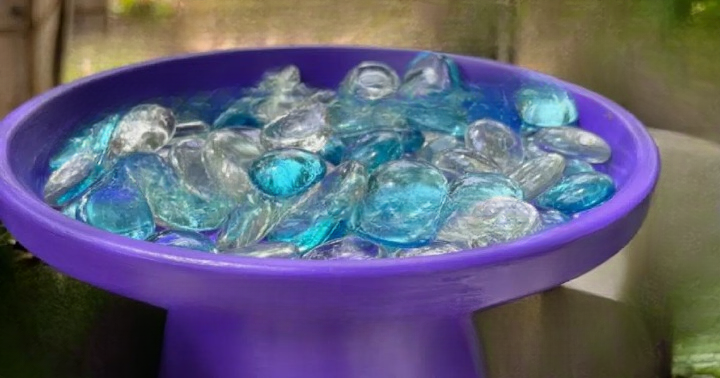
One popular version uses marbles placed inside a dish or bowl. The marbles create raised points where bees can stand while reaching the water between them.
This design offers several advantages:
• Safe landing spots
• Reduced drowning risk
• Easy construction
• Affordable materials
• Attractive appearance
Because marbles come in different colors and sizes, they can also add a decorative touch to a garden.
Materials Needed for a Bee Water Station
The supplies required for this project are simple and inexpensive.
Most people can assemble them in just a few minutes.
1. A Shallow Container
Choose a bowl, dish, or saucer that is wide and shallow.
Examples include:
• Plant saucers
• Ceramic dishes
• Small decorative bowls
• Repurposed kitchen containers
The goal is to provide enough surface area for bees to land while keeping the water depth minimal.
2. Marbles
Marbles act as landing platforms.
You can use:
• Decorative glass marbles
• Craft store marbles
• Old game marbles from childhood collections
The key is to fill enough of the container so that bees always have a place to stand.
3. Water
Regular tap water works perfectly for this purpose.
Avoid adding chemicals or additives, as bees only need clean water.
Step-by-Step Guide to Creating the Water Station
Building a bee watering station is one of the easiest gardening projects you can try.
Follow these steps to assemble it quickly.
Step 1: Select the Container
Start by choosing a container that is stable and shallow.
A plant saucer is often ideal because it is designed to hold small amounts of water.
Make sure the container is clean before placing it in the garden.
Step 2: Add the Marbles
Pour the marbles into the container until the base is covered.
They should form a loose layer rather than being tightly packed.
Spacing between the marbles allows water to pool slightly while still leaving exposed surfaces.
Step 3: Add Water
Slowly pour water into the container.
The goal is to partially cover the marbles, not submerge them completely.
The tops of the marbles should remain visible so bees can stand on them.
Step 4: Choose a Location
Place the water station in a quiet part of your garden.
Ideal locations include:
• Near flowering plants
• Close to shrubs or natural cover
• In a sunny but calm area
Bees are more likely to find the station if it is located near the plants they already visit.
Step 5: Observe and Enjoy
Once the station is set up, watch for visiting insects.
It may take a few days for bees to discover the water source, but once they do, they often return regularly.
Maintaining Your Bee Water Station
Although the setup is simple, a little maintenance will keep it working well.
Check Water Levels
Hot weather can cause water to evaporate quickly.
Check the container regularly and refill it when needed.
Keep It Clean
Leaves, dust, or soil may accumulate in the water.
If the station becomes dirty, rinse it and replace the water.
Winter Storage
In colder climates, bees are less active during winter.
You can store the water station indoors during freezing temperatures and bring it back out in spring.
Additional Benefits for Your Garden
A bee watering station does more than support bees.
It can also attract other beneficial insects that contribute to a balanced ecosystem.
Butterflies
Butterflies often seek shallow water sources where they can rest and drink minerals.
Your station may become a small gathering spot for them as well.
Ladybugs
Ladybugs help control garden pests such as aphids.
They may also stop by the water station for hydration.
Increased Biodiversity
By providing water, you encourage a wider variety of insects to visit your garden.
A diverse insect population supports healthy plant growth and natural pest control.
Educational Opportunities
A bee watering station can also serve as a learning tool.
Children and visitors often become curious when they see insects gathering around water.
This curiosity provides an opportunity to discuss topics such as:
• Pollination
• Wildlife conservation
• Gardening ecology
• The importance of small environmental actions
Encouraging awareness helps people appreciate the role pollinators play in everyday life.
Enhancing the Visual Appeal
Beyond its practical benefits, a marble bee water station can also be visually appealing.
Colorful marbles reflect sunlight and create interesting patterns in the water.
Gardeners sometimes choose marbles that match the colors of nearby flowers or decorative themes.
Adding this feature can make a simple corner of the garden feel more lively and welcoming.
Encouraging Sustainable Gardening Habits
Many people want to support wildlife but feel unsure where to begin.
Projects like a bee water station demonstrate that small steps can still have meaningful impact.
Other pollinator-friendly gardening practices include:
• Planting nectar-rich flowers
• Avoiding harmful pesticides
• Providing habitat areas for insects
• Growing native plants suited to local ecosystems
Together, these actions create environments where pollinators can thrive.
Common Questions About Bee Water Stations
Will Bees Become Aggressive?
Bees visiting water stations are usually focused on gathering resources, not defending their hive.
They are generally calm when drinking water.
Maintaining a respectful distance is always recommended.
How Long Does It Take for Bees to Find It?
Sometimes bees discover the station quickly, especially if it is near flowers.
In other cases it may take a few days.
Once they recognize it as a reliable source, they often return frequently.
Can Other Materials Replace Marbles?
Yes. Small stones, pebbles, or glass beads can serve the same purpose.
The key requirement is providing stable surfaces where insects can land safely.
A Small Action With Meaningful Impact
Environmental challenges can sometimes feel overwhelming.
However, positive change often begins with small, manageable actions.
Creating a bee watering station is one example of how individuals can contribute to local ecosystems.
By offering a safe place for pollinators to drink, gardeners provide support for creatures that play an essential role in nature.
Conclusion: Supporting Pollinators in Simple Ways
Bees are among the most important pollinators on Earth, yet they face many challenges in modern environments.
Providing access to water is a simple yet meaningful way to help them thrive.
A bee watering station made with marbles requires only a few minutes to create, but it offers ongoing benefits for pollinators and gardens alike.
By placing one in your yard, you help create a small refuge where bees and other insects can safely hydrate.
Over time, you may notice increased pollinator activity, healthier plants, and a deeper connection to the natural world around you.
In a busy world, small projects like this remind us that caring for nature does not always require large efforts—sometimes a bowl, a handful of marbles, and a little water are enough to make a difference.