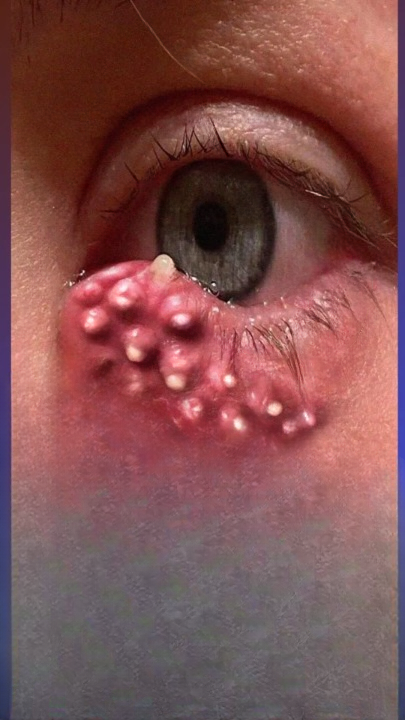
Introduction: Why Eye Health Matters
Our eyes are among the most important sensory organs in the human body. They allow us to observe the world, communicate with others through visual cues, and perform everyday tasks such as reading, driving, and working. Because eyes are constantly exposed to the environment, they can also be vulnerable to irritation, injury, and infection.
One of the most common problems affecting eye health is an eye infection. These conditions can develop when microorganisms such as bacteria or viruses enter the eye or when allergens and environmental irritants trigger inflammation. In many cases, eye infections are mild and resolve with proper care. However, recognizing symptoms early and seeking appropriate treatment is important to avoid complications and protect long-term vision.
Eye infections can occur in people of all ages—from young children to older adults. They may affect one eye or both and can appear suddenly or develop gradually over time. Symptoms often include redness, swelling, discomfort, discharge, or sensitivity to light.
Although these symptoms can be uncomfortable, the good news is that most eye infections respond well to treatment when addressed promptly. Simple measures such as good hygiene, proper contact lens care, and regular eye checkups can significantly reduce the risk of infection.
This comprehensive guide explores:
• What eye infections are and how they develop
• The most common causes and risk factors
• Typical symptoms to watch for
• Different types of eye infections
• Diagnosis and treatment options
• Prevention strategies for maintaining healthy eyes
By understanding these aspects of eye health, individuals can better recognize early warning signs and take steps to protect their vision.
What Is an Eye Infection?
An eye infection occurs when microorganisms or irritants affect parts of the eye, leading to inflammation or irritation. These infections may involve different areas of the eye, including the eyelids, conjunctiva (the thin membrane covering the white part of the eye), cornea, or tear ducts.
Microorganisms that may cause eye infections include:
• Bacteria
• Viruses
• Fungi
• Parasites (rare in many regions)
In addition to infections caused by microorganisms, allergic reactions or environmental irritants can also produce symptoms similar to infection, such as redness or itching.
Eye infections vary widely in severity. Some are mild and resolve within a few days, while others may require medical treatment to prevent complications.
Common Causes of Eye Infections
Eye infections can develop for many reasons. Understanding these causes helps individuals recognize how infections begin and how they can be prevented.
Bacterial Causes
Bacteria are among the most frequent causes of eye infections. They may enter the eye through contact with contaminated hands, surfaces, or objects.
Bacterial infections often cause symptoms such as:
• Redness
• Thick discharge
• Swollen eyelids
• Crusting around the eyes, especially after sleep
Certain types of bacteria are commonly associated with infections of the eye’s outer layers.
Viral Causes
Viruses can also cause eye infections. These infections often occur alongside respiratory illnesses such as colds or flu.
Viral eye infections are highly contagious and can spread through:
• Touching infected surfaces
• Direct contact with infected individuals
• Sharing personal items such as towels
Symptoms may include watery eyes, redness, and sensitivity to light.
Fungal Causes
Fungal eye infections are less common but can occur in certain circumstances, especially after eye injuries involving plant material or contaminated objects.
These infections require specialized treatment and should be evaluated by a healthcare professional.
Allergic Reactions
Not all eye irritation results from infection. Allergies can trigger inflammation in response to substances such as pollen, dust, pet dander, or cosmetics.
Allergic reactions often cause:
• Itching
• Redness
• Watery eyes
• Swollen eyelids
Although allergies are not infections, they may make the eyes more sensitive and vulnerable to irritation.
Symptoms of Eye Infections
Eye infections can produce a wide range of symptoms. Some symptoms are mild and temporary, while others may indicate the need for medical evaluation.
Redness
Redness is one of the most common signs of eye irritation or infection. It occurs when small blood vessels in the eye become inflamed.
Swelling
Swelling may affect the eyelids or the tissues surrounding the eye. This swelling can make the eye appear puffy or uncomfortable.
Itching
Persistent itching is frequently associated with allergic reactions but can also occur in certain infections.
Excessive Tearing
Watery eyes may develop as the body attempts to flush out irritants or microorganisms.
Burning or Irritation
Many individuals describe eye infections as producing a burning or gritty sensation, similar to having sand in the eye.
Discharge
Some infections cause discharge that may appear clear, yellow, or green. This discharge may collect at the corners of the eyes or cause crusting.
Sensitivity to Light
Bright light can become uncomfortable when the eyes are irritated or inflamed.
Blurred Vision
Temporary vision changes may occur if the eye’s surface becomes inflamed or covered with discharge.
When symptoms persist or worsen, medical advice should be sought to determine the underlying cause.
Types of Eye Infections
Eye infections can affect different structures of the eye. Each type may produce unique symptoms and require specific treatments.
Conjunctivitis
Conjunctivitis, commonly called “pink eye,” is one of the most well-known eye infections.
It occurs when the conjunctiva becomes inflamed.
Symptoms often include:
• Pink or red appearance of the eye
• Watery or thick discharge
• Irritation or itching
Conjunctivitis may be caused by bacteria, viruses, or allergies.
Blepharitis
Blepharitis is an inflammation of the eyelids, particularly where the eyelashes grow.
Common symptoms include:
• Red or swollen eyelids
• Crusting around eyelashes
• Burning or itching sensation
Blepharitis is often related to bacteria or skin conditions affecting the eyelids.
Keratitis
Keratitis affects the cornea, the clear front surface of the eye.
This condition can develop due to infection or injury.
Symptoms may include pain, blurred vision, and sensitivity to light.
Contact lens wearers are at higher risk if lenses are not cleaned properly.
Stye
A stye is a small, painful bump that forms on the eyelid due to a blocked oil gland.
Although it resembles a pimple, it is usually caused by bacterial infection.
Styes often resolve on their own but may require treatment if persistent.
Tear Duct Infections
The tear ducts carry tears from the eye to the nose.
If these ducts become blocked or infected, symptoms such as swelling, discharge, and tearing may occur.
Risk Factors for Eye Infections
Certain habits or environmental factors can increase the likelihood of developing an eye infection.
Poor Hand Hygiene
Touching the eyes with unclean hands can introduce bacteria or viruses.
Regular handwashing helps reduce this risk.
Improper Contact Lens Use
Contact lenses must be cleaned and stored correctly.
Risks increase when people:
• Wear lenses longer than recommended
• Sleep in lenses not designed for overnight use
• Use contaminated lens solutions
Contaminated Cosmetics
Eye makeup products can accumulate bacteria over time.
Sharing cosmetics or using expired products increases the risk of infection.
Exposure to Polluted Water
Swimming in contaminated pools or natural bodies of water may expose the eyes to harmful microorganisms.
Weakened Immune System
Individuals with weakened immune systems may be more susceptible to infections.
Diagnosis of Eye Infections
Healthcare professionals diagnose eye infections through a combination of observation and medical history.
During an eye examination, a doctor may:
• Inspect the eye for redness or swelling
• Examine discharge or crusting
• Evaluate vision and sensitivity to light
• Ask questions about symptoms and lifestyle habits
In some cases, samples of discharge may be collected to identify the specific microorganism responsible for the infection.
Accurate diagnosis ensures that the most appropriate treatment is recommended.
Treatment Options
Treatment depends on the cause of the infection and its severity.
Antibiotic Treatments
Bacterial infections may be treated with antibiotic eye drops or ointments prescribed by a healthcare provider.
These medications help eliminate the bacteria responsible for the infection.
Antiviral Medications
Viral infections may require antiviral medications, although many mild viral infections resolve without medication.
Antifungal Treatments
Fungal infections require specialized antifungal medications and careful monitoring.
Warm Compresses
Warm compresses applied to the eyelids can help reduce swelling and relieve discomfort.
They are commonly recommended for styes and certain eyelid infections.
Proper Cleaning
Cleaning the eyelids and removing discharge can improve comfort and support healing.
Healthcare providers may recommend specific cleaning techniques.
Home Care and Comfort Measures
In addition to medical treatments, several home care practices may help support recovery.
These include:
• Resting the eyes when possible
• Avoiding eye makeup until the infection clears
• Washing hands frequently
• Using clean towels and pillowcases
It is important to avoid rubbing the eyes, as this may worsen irritation or spread infection.
Preventing Eye Infections
Preventive habits can significantly reduce the risk of eye infections.
Maintain Good Hygiene
Regular handwashing and avoiding touching the eyes unnecessarily can prevent many infections.
Care for Contact Lenses Properly
Always follow instructions for cleaning, storing, and replacing contact lenses.
Never share lenses or lens cases with others.
Replace Cosmetics Regularly
Eye makeup should be replaced periodically to prevent bacterial buildup.
Avoid sharing cosmetics with others.
Protect the Eyes
Wearing protective eyewear during certain activities can reduce the risk of injury and infection.
Schedule Eye Checkups
Regular eye examinations help detect potential problems early.
When to Seek Medical Advice
While many eye infections are mild, certain symptoms require professional evaluation.
Seek medical attention if you experience:
• Severe eye pain
• Sudden vision changes
• Persistent redness or swelling
• Sensitivity to light that worsens
• Symptoms lasting longer than several days
Prompt care can help prevent complications and protect vision.
The Importance of Eye Health Awareness
Maintaining healthy eyes requires attention to daily habits and awareness of potential symptoms.
Understanding the signs of eye infections empowers individuals to act quickly when problems arise.
By practicing good hygiene and seeking appropriate care when necessary, most infections can be managed effectively.
Conclusion: Protecting Your Vision Through Awareness and Care
Eye infections are common conditions that can affect people of all ages. Although many cases are mild, they can cause discomfort and temporarily interfere with vision.
Recognizing symptoms such as redness, swelling, discharge, or sensitivity to light allows individuals to seek treatment early and avoid complications.
Fortunately, a combination of good hygiene, proper contact lens care, and regular eye checkups can greatly reduce the risk of infection.
When symptoms appear, consulting a healthcare professional ensures that the correct treatment is provided.
By staying informed and practicing preventive habits, individuals can protect their eyes and maintain clear, comfortable vision for years to come.