When people hear the word colonoscopy, it’s common to feel a little nervous or uncertain. Questions about the preparation, the procedure itself, and what to expect can make the experience seem more intimidating than it really is. However, a colonoscopy is a routine medical examination that plays an important role in maintaining digestive health and helping doctors identify certain conditions at an early stage.
One of the best ways to feel more comfortable before your appointment is to have an open conversation with your healthcare provider. Asking the right questions can help you understand why the procedure has been recommended, how to prepare properly, and what the results may mean for your future care.
The Most Important Question to Ask
Before your colonoscopy, consider asking your doctor:
“What is the purpose of my colonoscopy, and what are you looking for?”
This simple question can provide valuable context. Depending on your age, medical history, family history, symptoms, or previous screening results, your doctor may recommend a colonoscopy for different reasons.
For some people, the procedure is part of routine preventive screening. For others, it may be used to evaluate symptoms such as ongoing digestive changes, unexplained bleeding, persistent abdominal discomfort, or other concerns that require further investigation.
Understanding the reason for your procedure can help you feel more informed and prepared.
What Is a Colonoscopy?
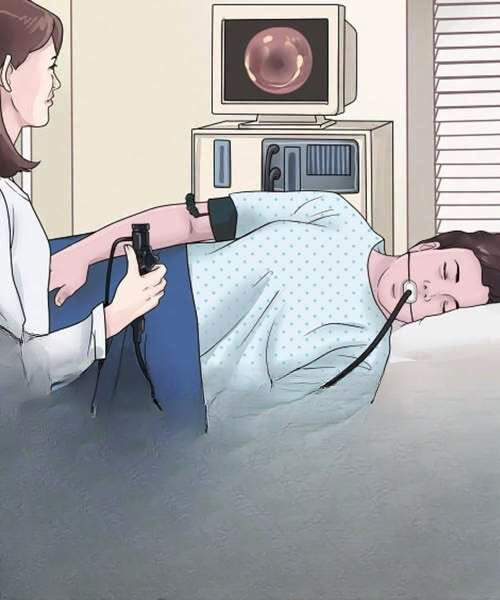
A colonoscopy is a medical procedure that allows a healthcare professional to examine the inside of the large intestine using a thin, flexible tube equipped with a small camera.
The images captured during the examination help doctors evaluate the health of the colon and identify any areas that may require additional attention.
If appropriate, your doctor may also remove certain types of growths known as polyps or collect small tissue samples (biopsies) for laboratory analysis. Whether these steps are recommended depends on what is found during the examination.
Why Preparation Is So Important
Many people say that preparing for a colonoscopy is the most challenging part of the entire process.
Before the procedure, you’ll usually receive detailed instructions that may include dietary changes and a bowel-cleansing preparation. Following these instructions carefully helps ensure that the doctor has a clear view during the examination.
A well-prepared colon allows for a more thorough evaluation and may reduce the likelihood of needing to repeat the procedure because visibility was limited.
If any part of the preparation instructions is unclear, don’t hesitate to ask your healthcare team for guidance.
What Happens During the Procedure?
Most colonoscopies are performed on an outpatient basis, meaning patients typically return home the same day.
Before the examination begins, many patients receive medication to help them relax or remain comfortable throughout the procedure. Because of this, many people remember little or none of the examination afterward.
The procedure itself generally takes less than an hour, although the total appointment—including preparation and recovery time—may take several hours.
Since sedative medications are commonly used, patients are usually advised to arrange for someone else to drive them home after the appointment.
Additional Questions Worth Asking
Besides understanding why you’re having the procedure, you may also want to discuss:
- How should I prepare in the days before my appointment?
- Should I continue taking my regular medications?
- Are there any foods or drinks I should avoid?
- What happens if a polyp or another abnormality is found?
- When and how will I receive my results?
- When should my next screening be scheduled, if needed?
These questions can help reduce uncertainty and ensure you know what to expect before, during, and after the procedure.
Benefits of Routine Screening
For many adults, routine colorectal screening is an important part of preventive healthcare.
Finding certain conditions early may provide more treatment options and can improve overall health outcomes. Your healthcare provider will recommend screening based on factors such as your age, personal medical history, family history, and individual risk factors.
Not everyone requires screening at the same time or at the same intervals, which is why personalized medical advice is important.
Managing Pre-Procedure Anxiety
Feeling anxious before a medical procedure is completely understandable.
Learning about each step of the process, reading the preparation instructions carefully, and discussing concerns with your healthcare provider can often make the experience feel much more manageable.
Many people are pleasantly surprised that the procedure is quicker and more straightforward than they expected.
Remember that your healthcare team performs colonoscopies regularly and is there to answer questions, explain the process, and help you feel as comfortable as possible throughout your visit.
A Simple Step Toward Better Health
A colonoscopy is more than just a medical test—it is an opportunity to learn more about your digestive health and, when recommended by your healthcare provider, an important part of preventive care.
By asking thoughtful questions before your appointment, following the preparation instructions carefully, and understanding the purpose of the examination, you can approach the procedure with greater confidence and peace of mind.
If your doctor has recommended a colonoscopy, taking the time to understand the process can help you feel more informed and better prepared. While the preparation may require some planning, many people find that the procedure itself is relatively straightforward. Working closely with your healthcare provider and staying informed are simple steps that can support your long-term health and well-being.