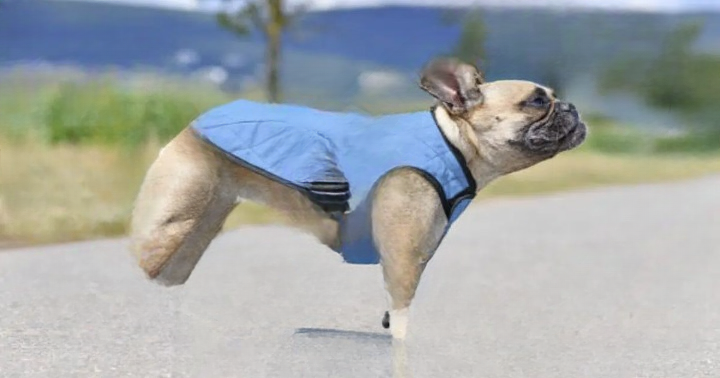
Have you ever been out for a walk, visiting a park, or shopping in a busy public area when you noticed a dog wearing a blue vest, bandana, or leash? At first glance, it might seem like a simple fashion choice. Blue looks great on many dogs, after all. But in many cases, that color carries important meaning.
Dog gear isn’t always just decorative. For working dogs, therapy animals, and dogs in training, colored accessories often serve as quiet communication tools between handlers and the public. Blue, in particular, has become widely associated with service and therapy roles. However, the story doesn’t end there. Not every dog in blue is working—and not every working dog wears blue.
In this comprehensive guide, we’ll explore why some dogs wear blue gear, what it typically signifies, how color-coding works in the dog world, the differences between service dogs and therapy dogs, and how you can respectfully interact with dogs wearing specialized equipment. By the end, you’ll understand that those blue vests and bandanas are often far more than stylish accessories—they’re signals of purpose, training, and responsibility.
The Meaning Behind the Color Blue in Dog Gear
Color psychology plays a subtle role in how humans interpret visual signals. Blue is commonly associated with calmness, trust, stability, and reliability. These are qualities that align closely with the temperament required of working dogs.
In many training programs and organizations, blue has become a recognizable color for:
-
Service dogs
-
Service dogs in training
-
Therapy dogs
-
Therapy dogs in training
While there is no single global law that mandates blue specifically, the color has become a widely recognized visual shorthand. When people see a dog in a blue vest, they often assume the dog has a working role—and in many cases, they’re correct.
However, it’s important to remember that gear color alone does not legally define a dog’s status. The vest or bandana is typically used as a courtesy signal rather than a certification marker.
Service Dogs: Working Partners With Critical Roles
Service dogs are highly trained animals that assist individuals with disabilities. In the United States, service dogs are protected under the Americans with Disabilities Act (ADA), meaning they are permitted to accompany their handlers in most public places.
One of the most recognized organizations involved in training service dogs is Guide Dogs for the Blind, which prepares dogs to assist individuals who are visually impaired. Many similar organizations across the world train dogs for specialized roles.
What Do Service Dogs Actually Do?
Service dogs perform specific, task-oriented duties directly related to their handler’s disability. These tasks may include:
-
Guiding individuals with visual impairments
-
Alerting individuals who are deaf or hard of hearing
-
Detecting seizures before they occur
-
Alerting to changes in blood sugar levels
-
Providing mobility support and balance assistance
-
Retrieving dropped items
-
Interrupting panic attacks or grounding individuals with PTSD
Because these dogs perform essential, sometimes life-saving tasks, minimizing distractions is critical. A vest—often blue—helps signal to the public: “This dog is working.”
Service Dogs in Training: Learning the Job
Training a service dog is a long and detailed process that can take 18 to 24 months. During this time, dogs are gradually exposed to:
-
Busy public environments
-
Transportation systems
-
Medical settings
-
Restaurants and stores
-
Loud noises and unpredictable distractions
Many service dogs in training wear blue vests labeled “Service Dog in Training.” This communicates that the dog is still learning and should not be distracted.
Think of it like a “student driver” sign. The dog may not be fully certified yet, but they are practicing critical skills that will one day help someone live more independently.
During training, dogs must develop:
-
Emotional stability
-
Focus under pressure
-
Reliable obedience
-
Task precision
Public cooperation plays a huge role in this process. Even well-meaning petting or calling out to the dog can interrupt valuable training moments.
Fully Trained Service Dogs: Blue as a Symbol of Duty
Even after completing training, many service dogs continue wearing blue gear. At that stage, the vest serves as:
-
A visual identifier
-
A deterrent against interference
-
A professional marker
-
A reminder of the dog’s role
Handlers often report that vests reduce unwanted interactions. When people see official-looking gear, they’re more likely to give space.
It’s important to understand that under U.S. law, service dogs are not required to wear vests. However, many handlers choose to use them because they simplify public navigation.
Therapy Dogs: Comfort in Canine Form
Not all blue-wearing dogs are service animals. Many are therapy dogs.
Therapy dogs are trained to provide comfort and emotional support in group or institutional settings. Unlike service dogs, they do not perform specific tasks for one individual. Instead, they interact with many people.
Organizations such as Therapy Dogs International evaluate and register therapy dogs that visit:
-
Hospitals
-
Nursing homes
-
Schools
-
Libraries
-
Airports
-
Disaster response sites
Therapy dogs often wear blue bandanas or vests that identify them as comfort animals.
What Makes a Good Therapy Dog?
Therapy dogs must demonstrate:
-
Gentle temperament
-
Patience with strangers
-
Comfort in unfamiliar environments
-
Calmness in high-stress settings
Their job may seem simple—just being present—but the emotional impact can be profound. Studies have shown that interactions with therapy dogs may help reduce stress, lower blood pressure, and improve mood.
Blue gear helps signal that the dog is approachable and trained.
Therapy Dogs in Training
Just like service dogs, therapy dogs undergo preparation before certification. During this stage, they may wear blue gear indicating they are in training.
Training involves:
-
Exposure to medical equipment
-
Socialization with diverse populations
-
Practice visits
-
Controlled handling exercises
The vest helps the public understand that while the dog may interact with people, the interaction is structured and supervised.
Emotional Support Animals vs. Service Dogs
It’s important to clarify terminology.
Emotional Support Animals (ESAs) provide comfort to their owners but are not trained to perform specific tasks. Unlike service dogs, ESAs do not have the same public access rights under the ADA.
Some ESAs may wear vests—blue or otherwise—but the color alone does not determine legal status.
Understanding this distinction helps prevent confusion and ensures respect for legitimate working dogs.
When Blue Is Just a Fashion Choice
Of course, not every dog wearing blue gear is a working dog.
Many pet owners choose blue because:
-
It complements their dog’s coat color
-
It symbolizes calmness
-
It looks stylish
-
It matches personal accessories
-
It’s widely available in stores
Blue is one of the most popular colors for dog products worldwide.
If there is no visible patch or labeling indicating a working role, the blue accessory may simply be decorative.
However, even in those cases, it’s polite to ask the owner before approaching or petting any dog.
The Broader Concept of Color-Coded Dog Gear
Blue is just one example of color-coded communication in the dog world.
Yellow: “Please Give Me Space”
The Yellow Dog Project promotes the use of yellow ribbons, leashes, or bandanas to signal that a dog needs space.
This may indicate:
-
Anxiety
-
Fearfulness
-
Recovery from surgery
-
Training status
-
Reactivity to other dogs
Yellow does not mean aggressive—it simply means “please ask before approaching.”
Red: Caution
Some owners use red collars or leashes to indicate a dog may be reactive or uncomfortable with close interaction.
Again, this is not a universal law, but it serves as a helpful guideline.
Green: Friendly
Occasionally, green is used to indicate that a dog is friendly and open to interaction. However, color meanings vary by region and are not standardized globally.
How to Properly Interact With a Dog Wearing Blue Gear
If you encounter a dog in a blue vest or bandana:
-
Do not distract the dog.
Avoid calling, whistling, or making eye contact. -
Ask the handler first.
A simple “May I pet your dog?” shows respect. -
Respect the answer.
If the handler says no, accept it graciously. -
Keep children close.
Teach children not to approach working dogs. -
Avoid feeding treats.
Even friendly gestures can interfere with training.
Why Public Awareness Matters
Working dogs provide essential support to their handlers. Distraction can:
-
Interrupt medical alerts
-
Break concentration during navigation
-
Increase stress
-
Set back training progress
For therapy dogs, overstimulation can reduce effectiveness.
Public understanding improves safety and ensures these dogs can perform their roles effectively.
The Training Commitment Behind the Vest
Becoming a certified service or therapy dog is not easy.
Training involves:
-
Thousands of hours of practice
-
Behavioral evaluations
-
Health screenings
-
Handler education
-
Public access testing
Many dogs begin training as puppies. Only a percentage successfully complete the program.
The blue vest represents dedication, discipline, and partnership.
The Human–Dog Partnership
Service and therapy dogs are not just tools—they are partners.
Handlers rely on them for:
-
Independence
-
Emotional stability
-
Safety
-
Confidence
The bond between a handler and a working dog is built on trust and consistency.
Blue gear becomes a symbol of that partnership.
Cultural and Regional Differences
While blue is commonly associated with working dogs in many countries, color coding is not legally standardized worldwide.
In some regions:
-
Organizations use specific branded colors
-
Military or police working dogs wear tactical gear
-
Volunteer therapy groups choose matching uniforms
Always look for labeled patches rather than relying on color alone.
Why Respect Benefits Everyone
Respecting dogs wearing identifiable gear:
-
Protects the handler’s independence
-
Reduces stress for the dog
-
Promotes community awareness
-
Encourages responsible ownership
Small actions—like giving space—make a big difference.
Final Thoughts: More Than Just a Color
The next time you see a dog wearing a blue vest, bandana, or leash, take a moment before assuming it’s just a style choice.
It might represent:
-
Months or years of training
-
A life-changing partnership
-
Emotional healing
-
Medical assistance
-
Public service
Or it might simply be a fashionable accessory chosen by a loving owner.
Either way, the safest and most respectful response is simple: pause, observe, and ask.
Blue in the dog world often symbolizes calm professionalism, steady companionship, and meaningful responsibility. Behind that simple piece of fabric may be a story of dedication, resilience, and life-enhancing support.
Understanding these signals helps create a more informed, compassionate community—one where working dogs can perform their roles effectively and pet dogs can enjoy their outings comfortably.
So the next time you spot a dog proudly wearing blue, you’ll know there may be much more to that color than meets the eye.