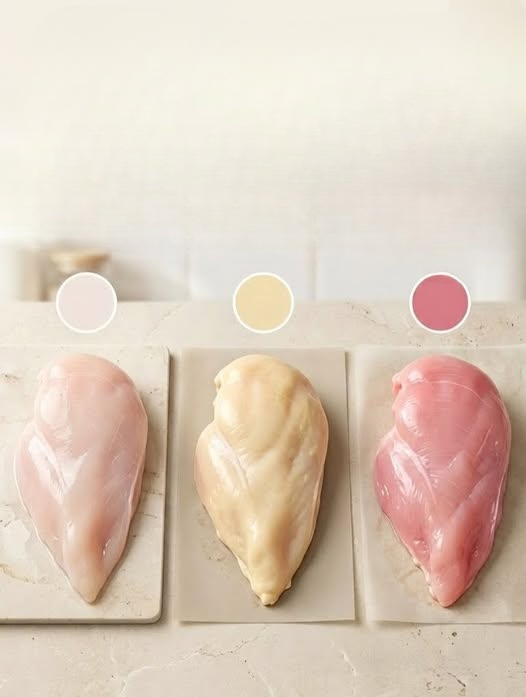
When shopping for chicken, many people notice an obvious visual difference: some chickens have pale white skin, while others appear more yellow or golden in color. This contrast often sparks curiosity and raises questions about quality, nutrition, farming methods, and taste. Some shoppers assume yellow chicken is healthier or more natural, while others believe white chicken is cleaner or fresher. In reality, the difference is not as simple as color alone.
The appearance of chicken can be influenced by several factors, including diet, breed, farming practices, age, and processing methods. Understanding these differences can help consumers make more informed choices based on their personal priorities, whether those priorities involve flavor, nutrition, affordability, or animal welfare.
Why Chicken Skin Color Varies
The primary reason chicken skin differs in color comes down to the bird’s diet and genetics. Chickens that consume feed rich in natural pigments called carotenoids often develop a yellowish skin tone. Carotenoids are naturally occurring compounds found in ingredients such as corn, alfalfa, marigold petals, and certain grains. These pigments accumulate in the fat beneath the skin, creating a warmer yellow appearance.
White-skinned chickens, on the other hand, are usually fed diets lower in these pigments. Their feed may rely more heavily on wheat, soy, or balanced commercial formulas that do not contain high levels of natural coloring compounds. Genetics also play a role because some breeds naturally store pigments differently than others.
Importantly, skin color alone does not determine whether a chicken is safe, nutritious, or high quality. Both yellow and white chickens can be raised responsibly and processed under food safety regulations.
The Role of Farming Practices
Farming methods can also influence how chickens look and taste. Chickens raised in more spacious environments or with outdoor access may develop slightly firmer muscles and richer flavor due to increased movement and varied diets. In some cases, these chickens also consume natural vegetation and insects, which can contribute to a more yellow appearance.
Commercially raised chickens are often produced in carefully controlled indoor environments designed to maintain consistent temperatures, feeding schedules, and health management. This approach allows farmers to efficiently meet the high demand for poultry around the world. These chickens may appear paler because of standardized feed formulas and faster growth cycles.
Neither system is automatically “good” or “bad.” Large-scale farming provides affordable protein for millions of families, while smaller-scale or specialty farms may focus more on slower growth and premium quality. The best choice depends on what matters most to the individual consumer.
Does Yellow Chicken Taste Better?
Taste is one of the biggest reasons some people prefer yellow chicken. Many consumers describe yellow-skinned chicken as richer, more flavorful, or slightly firmer in texture. This perception may be linked to differences in feed, activity levels, and fat distribution.
However, flavor is highly subjective. Cooking methods, seasoning, freshness, and preparation techniques often influence taste far more than skin color alone. A well-seasoned white chicken can be just as delicious as a yellow one, especially when prepared properly.
Some traditional cuisines also favor one type over the other. In certain regions, yellow chicken is associated with home-raised poultry and traditional cooking, while white chicken is commonly used in modern supermarkets and restaurants. Cultural preference can strongly shape how people perceive quality and flavor.
Nutritional Differences
Nutritionally, the differences between yellow and white chicken are generally small. Both provide excellent sources of protein, vitamins, and minerals. Chicken contains nutrients such as:
- Protein for muscle maintenance and overall body function
- B vitamins that support energy metabolism
- Iron and zinc for immune support
- Selenium for antioxidant protection
Yellow chicken may contain slightly higher levels of carotenoids because of the bird’s feed. Carotenoids are natural pigments that also act as antioxidants. However, these differences are usually modest and should not be viewed as dramatic nutritional advantages.
The overall nutritional value of chicken depends more on factors such as:
- The cut of meat chosen
- Cooking method
- Fat content
- Portion size
- Overall diet balance
For example, grilled chicken breast prepared with minimal oil will generally be leaner than heavily fried chicken, regardless of skin color.
Understanding Food Labels
Instead of relying only on appearance, shoppers can learn more by reading labels carefully. Modern food packaging often includes terms that describe how chickens were raised and processed.
Organic
Organic chicken is raised according to specific standards that regulate feed quality and medication use. Organic feed must avoid certain synthetic substances, and animals typically have some form of outdoor access.
Free-Range
Free-range chickens are provided access to outdoor areas. The amount and quality of outdoor access may vary depending on the farm and local regulations.
Pasture-Raised
Pasture-raised chickens generally spend more time outdoors with opportunities to move around and forage naturally. These products are often associated with smaller-scale farming practices.
No Antibiotics Ever
This label indicates the chicken was raised without antibiotics throughout its life.
Certified Humane
Certification programs may verify standards related to animal welfare, housing, ventilation, bedding, and handling practices.
These labels often provide more meaningful information than color alone because they describe actual farming methods rather than visual appearance.
Freshness Matters More Than Color
Whether chicken is yellow or white, freshness remains one of the most important factors when choosing poultry. Consumers should always inspect chicken carefully before purchasing.
Signs of fresh chicken may include:
- Firm texture
- Mild or neutral smell
- Moist but not slimy surface
- Packaging without leaks or excessive liquid
Avoid chicken with strong odors, discoloration, or damaged packaging. Proper refrigeration and cooking are also essential for food safety.
Chicken should always be cooked to a safe internal temperature according to food safety guidelines. Proper handling reduces the risk of foodborne illness and helps preserve quality.
Price and Consumer Preferences
Yellow chicken is sometimes sold at a higher price because it may be associated with specialty farming, slower growth, or traditional production methods. Consumers who prioritize flavor, texture, or certain farming practices may feel the higher cost is worthwhile.
White chicken is often more affordable and widely available, making it a practical option for many households. Its lower price does not necessarily mean lower quality. Large-scale production systems allow retailers to provide consistent products at competitive prices.
Budget, cooking style, family size, and dietary preferences all influence purchasing decisions. Some shoppers prioritize affordability and convenience, while others are willing to pay more for products aligned with their values.
The Influence of Marketing
Marketing can strongly shape perceptions about food. Packaging, advertising, and branding sometimes encourage consumers to associate specific colors with health, tradition, or premium quality. While visual appeal certainly matters, it is important to separate marketing messages from factual information.
A golden-colored chicken is not automatically healthier, and a pale chicken is not automatically inferior. Appearance should be considered alongside factors such as:
- Ingredient sourcing
- Farm standards
- Freshness
- Nutrition
- Food safety
- Taste preferences
Being an informed shopper means looking beyond surface impressions and evaluating products more carefully.
Ethical and Environmental Considerations
For some consumers, choosing chicken also involves ethical and environmental concerns. Questions about animal welfare, sustainability, land use, and farming practices are becoming increasingly important in today’s food industry.
Some farms focus on slower-growing breeds and expanded living space for animals, while others prioritize efficient production to meet global demand. Both approaches involve trade-offs related to cost, accessibility, environmental impact, and food supply.
Consumers who value transparency may choose to research brands, local farms, or certification programs before making purchases. Supporting businesses that align with personal values can help people feel more connected to the food they eat.
Final Thoughts
The difference between yellow chicken and white chicken goes far beyond appearance. Color is influenced mainly by diet, breed, and farming methods, but it does not automatically determine quality, safety, or nutrition. Both types can be part of a healthy and balanced diet when sourced responsibly and prepared properly.
Instead of focusing only on skin color, consumers can make smarter decisions by considering freshness, labeling, farming practices, taste preferences, and overall value. Reading packaging carefully and understanding what different labels mean can provide far more insight than color alone.
At the end of the day, the “best” chicken is the one that matches your priorities—whether those priorities involve flavor, affordability, nutrition, or ethical farming standards. By becoming a more informed shopper, you can make choices that fit your lifestyle while enjoying safe, delicious, and satisfying meals for you and your family.