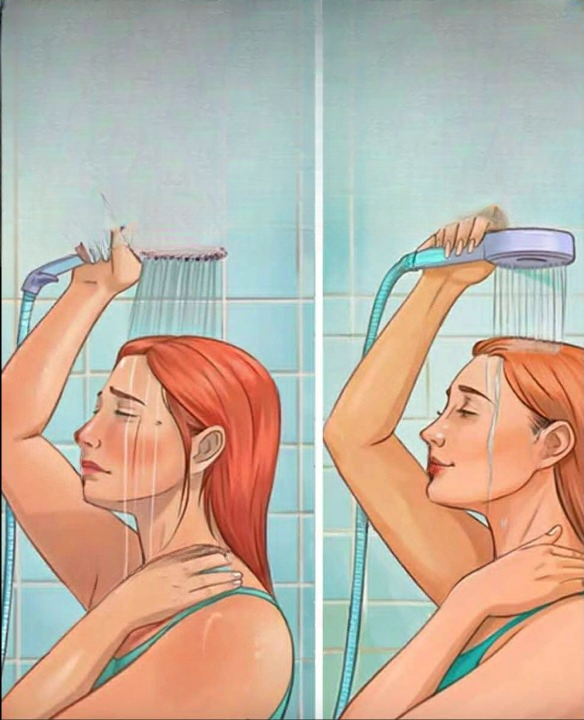
For many people, a daily shower feels non-negotiable. It’s part of the morning routine, a way to wake up, freshen up, and feel prepared for the day ahead. Others enjoy a long, hot shower in the evening as a way to unwind after work. Cleanliness is important, but many dermatologists now suggest that bathing too often may not always be the healthiest choice for your skin.
While personal hygiene remains essential, research has shown that excessive washing can interfere with some of the body’s natural protective systems. The skin is far more than just a surface covering—it is a complex organ that plays a critical role in defending the body from environmental threats, regulating temperature, and maintaining moisture.
Understanding how the skin works can help explain why more showers do not always mean better health.
Your Skin Has Its Own Natural Defense System
The skin constantly produces natural oils known as sebum. These oils serve an important purpose: they help keep the skin hydrated, flexible, and protected from dryness.
When you shower frequently, especially using hot water and strong soaps, these oils are removed from the skin’s surface. Although the body can replace them, repeated washing may strip them away faster than they can be restored.
As a result, many people experience:
- Dry or flaky skin
- Itching and irritation
- Increased sensitivity
- Redness and discomfort
This is particularly common during colder months when indoor heating and low humidity already place extra stress on the skin.
The Hidden World Living on Your Skin
One of the most interesting discoveries in modern health research involves the skin microbiome.
Your skin is home to millions of beneficial microorganisms that help maintain balance and protect against harmful bacteria. These microscopic organisms play an important role in supporting the body’s natural defenses.
Frequent washing—especially with antibacterial products—can disrupt this delicate ecosystem. While cleanliness is important, constantly removing these beneficial microbes may reduce some of the skin’s natural protective abilities.
Experts increasingly believe that maintaining a healthy balance is often more beneficial than attempting to eliminate every trace of bacteria.
Hot Showers May Be Especially Problematic
Few things feel as relaxing as a steaming hot shower, but very hot water can create additional challenges for the skin.
Heat causes blood vessels near the surface of the skin to expand, which can initially feel soothing. However, prolonged exposure to hot water may contribute to:
- Increased dryness
- Worsening eczema symptoms
- Irritated or inflamed skin
- Temporary dizziness in some individuals
Many dermatologists recommend using warm water instead of extremely hot water, especially for people who already struggle with sensitive skin conditions.
What Happens to Your Hair and Scalp?
The scalp contains oil-producing glands similar to those found on the rest of the body. These glands help nourish and protect hair strands.
Daily shampooing can remove these oils before they have a chance to perform their function. Over time, this may leave hair feeling:
- Dry
- Brittle
- Dull
- More prone to breakage
Ironically, overwashing can also cause the scalp to produce more oil in an attempt to compensate, creating a cycle where hair becomes greasy more quickly and requires even more washing.
Many hair specialists suggest that most people do not need to shampoo every day. The ideal frequency varies depending on hair texture, lifestyle, and individual oil production.
The Link Between Hygiene and Immune Health
Scientists have spent years studying what is known as the “hygiene hypothesis.” This theory suggests that limited exposure to everyday microbes may influence how the immune system develops and functions.
Modern life is often much cleaner and more sanitized than it was for previous generations. While this has obvious health benefits, some researchers believe that excessive sterilization may reduce opportunities for the immune system to interact with harmless microorganisms that help train its responses.
This does not mean people should stop bathing or ignore hygiene. Rather, it highlights the importance of moderation and balance.
Do You Really Need to Shower Every Day?
The answer depends on your lifestyle.
Individuals who exercise intensely, work outdoors, or spend significant time in hot environments may benefit from daily showers. However, people with less physically demanding routines may not require full-body washing every single day.
Many dermatologists suggest that cleanliness can often be maintained by focusing on key areas such as:
- Hands
- Face
- Underarms
- Feet
- Groin area
This approach may reduce irritation while still supporting good hygiene.
Tips for Healthier Bathing Habits
If you want to protect your skin while staying clean, consider these simple adjustments:
- Keep showers shorter, ideally around five to ten minutes.
- Use warm rather than very hot water.
- Choose gentle, fragrance-free cleansers when possible.
- Avoid excessive scrubbing.
- Apply moisturizer immediately after bathing while the skin is still slightly damp.
- Adjust shower frequency based on your activity level and skin type.
Finding the Right Balance
Bathing is an important part of personal care, but more is not always better. The skin has evolved with sophisticated systems designed to protect and maintain itself. Constantly stripping away oils and beneficial microbes can sometimes interfere with those natural processes.
The goal is not to shower less simply for the sake of it—it is to find a balance that keeps you clean while allowing your skin to remain healthy and resilient.
For many people, that balance may involve shorter showers, gentler products, and a more personalized approach to hygiene. Sometimes, supporting the body’s natural defenses is just as important as washing away the day.