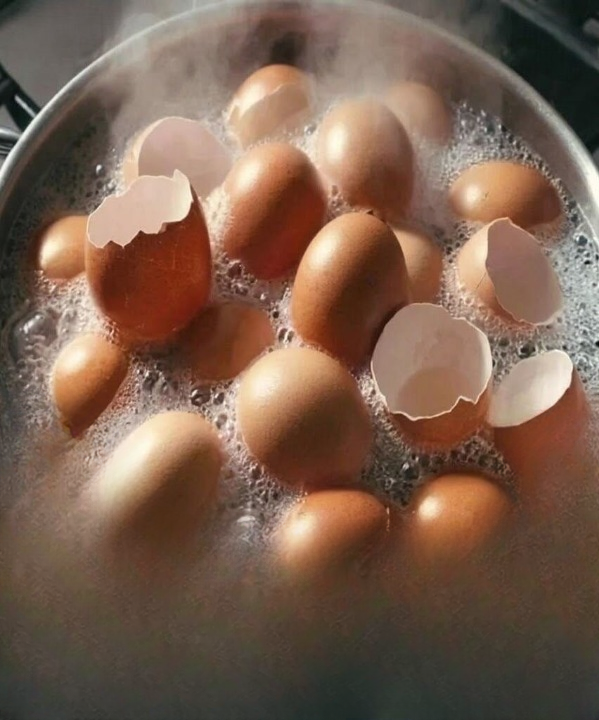
Most people crack eggs into a pan, toss the shells into the trash, and never think about them again.
But in recent years, eggshells have gained attention among gardeners, sustainability enthusiasts, and home-care communities because of their surprising versatility around the house. While they may seem like simple kitchen waste, eggshells contain natural minerals that can be reused in several practical ways.
From composting and gardening to household projects and DIY uses, many people are discovering that empty eggshells can still serve a purpose long after breakfast is over.
At the same time, it’s important to separate practical uses from exaggerated health claims sometimes shared online.
What Are Eggshells Made Of?
Eggshells are made primarily of calcium carbonate, a naturally occurring mineral compound.
They also contain small amounts of other minerals, including:
- Magnesium
- Phosphorus
- Potassium
- Trace minerals
The shell’s structure is designed to protect the developing egg while remaining lightweight and porous.
Because calcium carbonate is also used in some commercial calcium products, eggshells are often discussed in conversations about natural household reuse.
Why Some People Save Eggshells
Many people save eggshells for sustainability reasons.
Instead of throwing them away immediately, they reuse them in ways that may help:
- Reduce household waste
- Support composting
- Improve garden soil
- Create simple DIY household solutions
Eggshell reuse has become especially popular among people interested in gardening, eco-friendly living, and reducing food waste.
Eggshells in Composting
One of the most common uses for eggshells is composting.
Crushed eggshells can be added to compost piles where they slowly break down over time.
Benefits may include:
- Adding calcium to compost
- Supporting balanced compost material
- Reducing kitchen waste sent to landfills
Because eggshells decompose slowly, crushing them into smaller pieces helps speed up the process.
Using Eggshells in Gardens
Gardeners often use crushed eggshells around plants as part of routine soil maintenance.
Calcium plays an important role in plant development, especially for crops such as:
- Tomatoes
- Peppers
- Eggplants
Some gardeners spread finely crushed shells near plants to supplement soil minerals.
However, experts note that eggshells break down gradually, so they are not an instant solution for major soil deficiencies.
Can Eggshells Help Deter Garden Pests?
Some people place rough crushed eggshells around plants in hopes of discouraging soft-bodied garden pests like slugs and snails.
The theory is that sharp shell fragments create an uncomfortable surface for pests to cross.
Results vary, and gardening experts disagree about how effective this method truly is, but many home gardeners continue using it as a natural alternative to chemical pest control.
Eggshells as Seed Starters
Another popular gardening use involves turning eggshell halves into small biodegradable seed starters.
People sometimes:
- Clean empty shell halves
- Add a small amount of soil
- Plant seeds inside
- Transfer the shell directly into the garden later
Because the shell eventually breaks down naturally, this method appeals to gardeners looking for simple, low-waste planting solutions.
Can Eggshells Be Used as Calcium Supplements?
This topic requires caution.
Some online articles promote homemade eggshell powder as a natural calcium source. While eggshells do contain calcium carbonate, consuming homemade eggshell products carries potential safety risks if they are not prepared properly.
Possible concerns include:
- Bacterial contamination
- Improper sterilization
- Sharp particles
- Excess calcium intake
Health experts generally recommend consulting a qualified medical professional before using eggshell powder for dietary supplementation.
Commercial calcium products are tested for purity and dosage consistency in ways homemade mixtures are not.
Why Proper Cleaning Matters
If eggshells are reused for gardening or crafts, cleaning them first is important.
Rinsing shells helps remove:
- Residual egg material
- Odors
- Potential bacteria
Drying them thoroughly also helps prevent mold growth during storage.
Eggshells and Sustainable Living
The growing interest in eggshell reuse reflects a broader movement toward sustainability and waste reduction.
Many households are exploring ways to:
- Reuse food scraps
- Compost more effectively
- Reduce landfill waste
- Find practical alternatives to disposable products
Eggshells are appealing because they are simple, free, and already available in many kitchens.
Common Household Uses for Eggshells
Beyond gardening, people sometimes use eggshells for:
- Craft projects
- Homemade decorations
- Bird feeder mixes
- Soil additives
- Compost balancing
Creative DIY communities often share additional ideas online for repurposing eggshells in environmentally friendly ways.
The Difference Between Helpful Tips and Exaggerated Claims
Many viral articles dramatically overstate the “miracle” benefits of eggshells.
While eggshells can certainly be useful around the home, they are not magical solutions for every health or gardening problem.
It’s important to approach online household hacks with balanced expectations and reliable information.
Are Eggshells Safe for Pets or Wildlife?
Some people add crushed eggshells to bird feed or animal diets because of their calcium content.
However, pet nutrition should always be approached carefully, since dietary needs vary significantly by species.
Veterinary guidance is recommended before introducing homemade supplements into animal diets.
Why Eco-Friendly Kitchen Habits Matter
Small household habits can collectively make a meaningful environmental difference over time.
Reusing kitchen scraps like eggshells may help people become more mindful about:
- Waste reduction
- Resource conservation
- Sustainable gardening
- Composting practices
Even simple changes can encourage more environmentally conscious routines at home.
Eggshells and Soil Health
Healthy soil depends on a balance of nutrients, organic material, moisture, and microorganisms.
Although eggshells alone are not a complete fertilizer, they may contribute small amounts of calcium over time when added consistently to compost or garden beds.
Garden success still depends on many factors including:
- Soil quality
- Sunlight
- Watering
- Drainage
- Climate
- Plant selection
Why People Enjoy DIY Kitchen Hacks
Part of the appeal of eggshell reuse comes from the satisfaction of turning “waste” into something useful.
Simple DIY solutions often feel rewarding because they:
- Save money
- Reduce waste
- Encourage creativity
- Promote self-sufficiency
Social media and sustainability communities have helped popularize these habits even further.
What Experts Recommend
Most gardening and sustainability experts agree on a few practical points:
- Eggshells are useful for composting
- Crushed shells may benefit gardens gradually
- Cleaning shells before reuse is important
- Eggshells should not replace proper medical care or nutrition advice
Balanced expectations are key.
Final Thoughts
Eggshells may seem like ordinary kitchen waste, but many people are finding practical ways to reuse them around the home and garden.
From composting and seed starting to soil support and sustainable living habits, empty eggshells can serve a variety of simple household purposes instead of going straight into the trash.
At the same time, it’s important to avoid exaggerated claims about “miracle” health benefits and approach homemade dietary uses carefully.
Sometimes the most useful household ideas are also the simplest: reducing waste, reusing materials thoughtfully, and finding small ways to make everyday routines more sustainable.
The next time you crack eggs for breakfast, you may look at those empty shells a little differently.