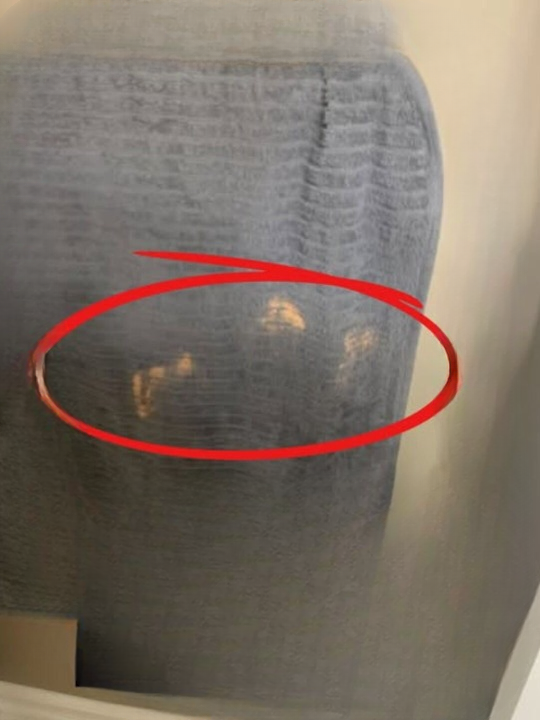
Many people are surprised when they notice unusual orange, pink, or light discolored patches appearing on their towels, especially after they’ve been used normally and washed regularly. At first glance, these marks may look like stubborn dirt or mildew, but in many cases, the cause is something completely different—and often linked to everyday skincare routines.
One of the most common reasons behind these strange stains is the use of products containing benzoyl peroxide. This ingredient is widely found in acne treatments, including popular over-the-counter and prescription products such as PanOxyl, Clearasil, Neutrogena acne creams, and similar formulations. It is highly effective at reducing acne because it targets bacteria and helps clear pores. However, while it is beneficial for skin, it can be surprisingly harsh on fabrics.
Benzoyl peroxide is considered an oxidizing agent, which means it can chemically react with dyes in fabric in a similar way to bleach. When it comes into contact with towels—especially while drying the face or hands—it can gradually break down the color pigments in the material. This reaction does not always happen immediately, but over time, repeated exposure leads to visible discoloration.
The effect is often more noticeable on darker towels. Fabrics such as black, navy blue, or deep gray tend to show these changes more clearly because their dyes are more complex and layered. When benzoyl peroxide begins breaking down these dyes, it doesn’t remove all color evenly. Instead, it strips away certain pigments first, which can leave behind orange, yellow, or even faint pink patches depending on the original dye composition.
What many people find frustrating is that these stains do not behave like typical dirt or makeup marks. They are not surface-level stains that sit on top of the fabric. Instead, they are the result of a chemical reaction that permanently alters the dye within the fibers. Because of this, standard washing methods such as detergent, stain removers, or scrubbing are usually ineffective. Once the color has been chemically removed, it cannot be restored through cleaning alone.
A simple way to identify whether a towel stain is caused by bleaching agents like benzoyl peroxide is to look at the color change itself. If the affected area is lighter than the surrounding fabric, it is likely due to dye removal or bleaching. In contrast, darker or more saturated spots are typically caused by substances like makeup, oils, or dirt that sit on the surface of the towel rather than altering its structure.
While benzoyl peroxide is the most common cause, it is not the only reason towels may develop unusual discoloration. Other household factors can contribute as well. For example, rust from aging pipes or metal fixtures can sometimes leave reddish or brownish streaks on fabrics. These stains usually come from iron particles in water and may appear intermittently depending on plumbing conditions.
Another less common cause involves a type of bacteria known as Serratia marcescens. This microorganism can sometimes grow in damp bathroom environments and produce pinkish or reddish films on surfaces, including towels. Unlike chemical bleaching, however, these biological stains are usually easier to remove with proper cleaning and disinfecting methods.
Despite these other possibilities, benzoyl peroxide remains the primary cause of permanent towel discoloration in most modern households, mainly due to its widespread use in skincare routines. People often apply acne treatments before or after washing their face and may unknowingly transfer small amounts of the product onto towels, pillowcases, or clothing.
Preventing this type of damage involves a few simple but effective habits. One of the easiest solutions is to designate separate towels specifically for face use, ideally in lighter colors such as white. White towels are less affected visually by bleaching because there is no dye to lose, making any discoloration less noticeable.
Another helpful practice is to thoroughly rinse the skin after applying benzoyl peroxide-based products before drying the face. This reduces the amount of residue that comes into contact with fabric. Allowing skincare products to fully absorb before towel use can also minimize transfer.
Some people choose to switch to alternative acne treatments that do not contain bleaching agents. Ingredients such as salicylic acid are commonly used in skincare routines and are less likely to cause fabric damage, although they work in a different way and may not be suitable for everyone.
If towels have already been damaged by benzoyl peroxide, they do not necessarily need to be thrown away immediately. While they cannot be restored to their original color, they can still be reused for other purposes. Many households repurpose old towels as cleaning cloths, gym towels, pet towels, or rags for household chores. This helps reduce waste while still making use of the fabric.
Ultimately, orange stains on towels are not usually a sign of poor hygiene or ineffective washing. Instead, they are often the result of a chemical reaction between skincare products and fabric dyes. Understanding this connection makes it easier to prevent future damage and choose better habits for protecting household textiles.
With a few small adjustments—such as using dedicated towels, being mindful of skincare residue, and choosing suitable products—it is possible to maintain both healthy skin routines and longer-lasting fabrics without unnecessary frustration.