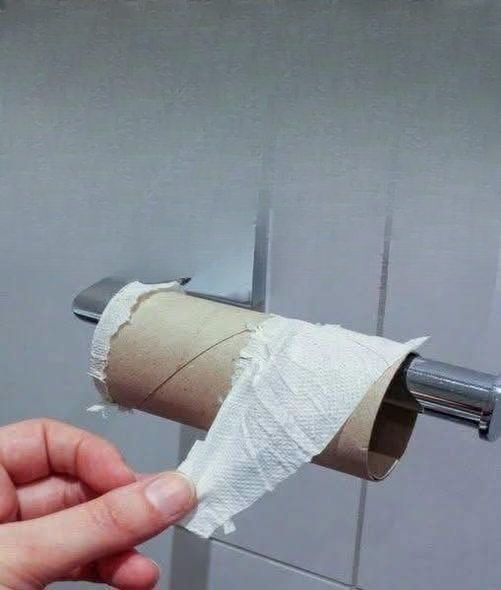
For generations, toilet paper has been a bathroom essential that most people never questioned. It’s convenient, familiar, and deeply woven into everyday life. But as conversations around sustainability, personal hygiene, and household costs continue to grow, more people are beginning to reconsider whether toilet paper is really the best option.
Around the world, an increasing number of households are embracing water-based cleaning methods, such as bidets and bidet attachments. Once considered uncommon in many countries, these alternatives are becoming more accessible, affordable, and widely accepted. For many users, the change isn’t just about comfort—it’s about reducing waste, saving money over time, and making a more environmentally conscious choice.
The Environmental Impact of Toilet Paper
Toilet paper may seem harmless because it’s biodegradable, but its production requires significant natural resources.
Manufacturing toilet paper involves:
- Harvesting large numbers of trees
- Using substantial amounts of water during production
- Consuming energy for processing and transportation
- Using chemicals for pulping and bleaching
- Creating packaging waste and transportation emissions
Although many brands now offer recycled or sustainably sourced options, producing toilet paper on a global scale still has a considerable environmental footprint.
As awareness of these impacts grows, many consumers are looking for ways to reduce their reliance on disposable paper products.
Why Bidets Are Becoming More Popular
Bidets have been common in many parts of Europe, Asia, and the Middle East for decades. More recently, affordable bidet attachments that fit existing toilets have helped introduce water-based cleaning to households around the world.
People who switch often cite several benefits:
- A cleaner feeling compared with wiping alone
- Less toilet paper usage
- Reduced household expenses over time
- Less frequent shopping for bathroom supplies
- Lower overall waste production
Modern bidet attachments are available in a wide range of styles, from simple mechanical models to advanced systems with heated water, adjustable pressure, air drying, and heated seats.
Can Using Less Toilet Paper Save Money?
For many households, yes.
Although installing a bidet involves an upfront cost, many users find that their toilet paper consumption drops significantly afterward. Over months and years, those savings can offset the purchase price of the fixture.
The amount saved depends on household size and usage habits, but reducing toilet paper purchases can add up over time.
A Small Habit With a Bigger Impact
One reason this trend has gained attention is that it represents more than simply changing bathroom routines.
Many people see it as part of a broader effort to make everyday life more sustainable. Small decisions—using reusable shopping bags, reducing food waste, conserving water where appropriate, and cutting disposable paper use—can collectively help reduce a household’s environmental footprint.
Switching to water-based hygiene is one example of how routine habits can evolve as technology and environmental awareness advance.
Hygiene Preferences Continue to Evolve
People have different preferences when it comes to personal hygiene, and there is no single approach that suits everyone.
Some households continue using toilet paper exclusively, while others combine it with a bidet or other water-based cleaning method. For many users, this combination offers both convenience and a greater sense of cleanliness.
As newer products become easier to install and more affordable, consumers have more options than ever before.
Looking Ahead
Bathroom technology continues to evolve, with manufacturers introducing fixtures designed to use water efficiently while improving comfort and convenience. At the same time, companies are developing more sustainable paper products made from recycled fibers, bamboo, and other renewable materials.
Rather than replacing one product with another overnight, many households are simply exploring solutions that better fit their personal values, budgets, and environmental goals.
A Shift in Everyday Thinking
The growing interest in bidets and other water-based hygiene systems reflects a broader change in how many people think about daily habits. Instead of accepting long-standing routines without question, consumers are increasingly asking whether there are cleaner, more efficient, or more sustainable alternatives.
For some, switching to a bidet is primarily about comfort. For others, it’s about reducing waste or lowering long-term costs. Whatever the motivation, the trend highlights how even small changes in everyday life can contribute to larger conversations about sustainability and responsible resource use.
As technology continues to improve and environmental awareness grows, bathroom habits may continue to evolve—one simple routine at a time.