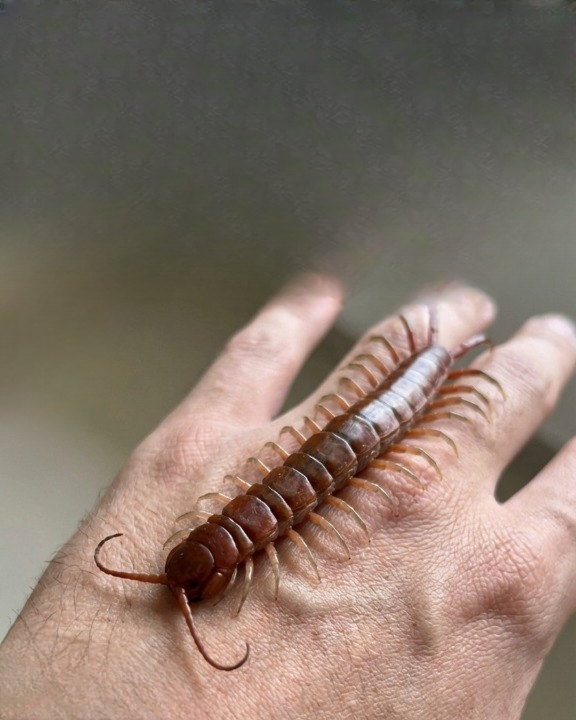
Many people have experienced the moment: you walk into a basement, bathroom, or quiet hallway and suddenly notice a small creature quickly moving across the floor. It has long legs, moves surprisingly fast, and disappears into a corner before you can react. For many homeowners, that creature is the house centipede.
At first glance, house centipedes can seem unsettling because of their appearance. With many slender legs and quick movements, they often catch people by surprise. Because of this, it is common for people to react with alarm when they see one inside their home.
However, despite their unusual appearance, house centipedes are generally harmless to humans and can even play a beneficial role in controlling other household pests. Instead of being a problem themselves, they often help reduce populations of insects that many homeowners consider more troublesome.
Understanding the behavior and role of house centipedes can help people make more informed decisions about how to deal with them. In many cases, learning about their natural habits changes the way people view these small creatures.
In this article, we will explore what house centipedes are, why they appear in homes, how they benefit the indoor environment, and what you can do if you prefer to limit their presence. By the end, you may find that these unexpected visitors are not as concerning as they first appear.
What Are House Centipedes?
House centipedes are small arthropods that belong to the centipede family. Unlike insects, which have six legs, centipedes have multiple pairs of legs along their bodies. The house centipede species commonly found indoors has a distinctive appearance with long, delicate legs and a slender body.
One of the most recognizable features of house centipedes is their speed. They are extremely quick and agile, which helps them capture prey and avoid danger.
Their bodies are typically light brown or grayish with darker stripes, and their long legs can make them appear larger than they actually are. In reality, most house centipedes are only about one to one and a half inches long.
Despite their many legs, they are lightweight and quiet, which allows them to move easily across floors, walls, and ceilings.
House centipedes are primarily nocturnal creatures, meaning they are most active at night. During the day, they usually hide in dark and moist places such as:
-
Basements
-
Bathrooms
-
Closets
-
Laundry rooms
-
Under sinks
-
Inside wall cracks
Because they prefer to stay hidden, many people only notice them occasionally when one appears unexpectedly.
Why House Centipedes Enter Homes
Like many small creatures, house centipedes enter homes mainly in search of food, moisture, and shelter.
During certain times of the year, especially when outdoor temperatures begin to drop, insects and other small organisms look for warmer environments. Homes provide a stable indoor climate that protects them from extreme weather conditions.
House centipedes also prefer environments with some humidity. Areas such as basements, bathrooms, and kitchens often provide the moisture levels they need.
Another major factor that attracts house centipedes is the presence of other insects. Because they are natural predators, they seek out locations where food sources are available.
If a home contains small insects such as spiders, flies, or silverfish, a house centipede may view that environment as an ideal hunting ground.
In many cases, seeing a house centipede indoors may simply indicate that there are other insects present that the centipede is feeding on.
The Natural Pest Control Role of House Centipedes
One of the most interesting aspects of house centipedes is their role as natural pest controllers. They are carnivorous and feed on a variety of small insects and arthropods that people commonly encounter in homes.
Their diet can include:
-
Small spiders
-
Flies
-
Silverfish
-
Cockroach nymphs
-
Ants
-
Moths
-
Earwigs
By hunting and consuming these insects, house centipedes can help reduce pest populations naturally.
Unlike chemical pesticides, which may affect many organisms and require repeated use, centipedes simply hunt when they are hungry. This makes them a form of natural pest management within the home environment.
Although many homeowners are surprised to learn this, the presence of a house centipede can sometimes indicate that it is already helping manage other insects.
Are House Centipedes Dangerous?
A common concern people have when encountering house centipedes is whether they pose any danger.
In general, house centipedes are not considered harmful to humans. They are shy creatures that prefer to avoid contact with people. If they sense movement or vibration, they typically move quickly to find a hiding place.
Like many predators in the insect world, centipedes possess small claws that they use to capture prey. These claws can deliver a mild venom used to immobilize insects.
However, house centipedes rarely attempt to bite humans. In the uncommon event that a defensive bite occurs, it is usually mild and comparable to a minor insect sting.
For most people, house centipedes pose little risk and are far more interested in hunting other small creatures than interacting with humans.
Why Their Appearance Causes Concern
Although house centipedes are generally harmless, their appearance often causes discomfort for many people. Their long legs and quick movements can make them seem more intimidating than they actually are.
Human reactions to insects and similar creatures are often influenced by instinct and unfamiliarity. Because house centipedes move quickly and appear suddenly, they can startle people who are not expecting to see them.
However, understanding their role in the indoor ecosystem can help change this perspective. Instead of viewing them purely as pests, some homeowners recognize that they contribute to maintaining balance among smaller insect populations.
How House Centipedes Hunt
House centipedes are skilled hunters. Their long legs allow them to move rapidly across surfaces while searching for prey.
They rely on their antennae to detect vibrations and movement from nearby insects. Once they locate a potential target, they move quickly to capture it.
Their front legs function similarly to claws that hold prey in place while the centipede delivers a small amount of venom. This venom quickly immobilizes small insects, allowing the centipede to consume them.
Because of their speed and hunting ability, house centipedes can effectively control various small insect populations inside a home.
Where House Centipedes Typically Hide
Since house centipedes prefer dark and moist environments, they are most often found in certain parts of a home.
Common hiding locations include:
-
Basements
-
Bathroom corners
-
Behind baseboards
-
Inside wall cracks
-
Under storage boxes
-
Near plumbing pipes
These areas provide the moisture and shelter that centipedes prefer.
Homes with higher humidity levels may be more attractive to them because moisture supports both their survival and the presence of other insects.
Simple Ways to Reduce House Centipede Activity
While house centipedes can be beneficial, some people still prefer to limit their presence indoors. Fortunately, there are several simple and safe methods that can help reduce the chances of seeing them in your home.
Reduce Moisture
Since house centipedes prefer damp environments, lowering humidity levels can make your home less attractive to them.
Using a dehumidifier in basements or ensuring proper ventilation in bathrooms can help reduce moisture.
Seal Cracks and Openings
Small cracks around windows, doors, or foundations can allow insects to enter. Sealing these gaps helps prevent many types of pests from entering your home.
Keep Areas Clean and Organized
Reducing clutter removes potential hiding places for both centipedes and the insects they hunt.
Regular cleaning and organizing storage areas can help make your home less appealing to pests.
Address Other Insects
Because house centipedes feed on other bugs, reducing those insects can indirectly reduce centipede activity.
Keeping food sealed, disposing of trash regularly, and maintaining clean surfaces can discourage insects that attract centipedes.
A Balanced Approach to Indoor Wildlife
In many environments, small creatures naturally enter homes from time to time. Some play helpful roles in controlling other pests or contributing to the natural balance of ecosystems.
House centipedes are one example of such creatures. Although their appearance may surprise people, their behavior is generally quiet and beneficial.
Instead of immediately reacting with alarm, learning about their habits allows homeowners to make thoughtful decisions about how to respond.
Some people choose to simply leave them alone, while others prefer to gently remove them and release them outdoors.
Relocating a House Centipede Safely
If you prefer not to keep a house centipede indoors, there are simple ways to relocate it without harming it.
A common approach involves using a cup and a piece of paper or cardboard.
First, place the cup over the centipede. Then carefully slide the paper underneath the cup to trap the centipede inside. Once contained, you can carry it outside and release it in a sheltered area.
This method allows you to remove the centipede safely without damaging it or using chemicals.
Learning to Appreciate Nature’s Helpers
Nature often provides its own solutions to common problems. Many animals and insects play important roles in maintaining ecological balance.
House centipedes are part of this natural system. By feeding on other insects, they help control populations that might otherwise grow larger.
Although they may not be the most popular household visitors, their presence can sometimes indicate that they are already helping manage other pests.
Understanding these relationships encourages a more balanced view of the small creatures that share our environment.
Final Thoughts
Encountering a house centipede indoors can be surprising, especially if you are unfamiliar with these fast-moving creatures. However, they are generally harmless and often provide useful pest control by feeding on other insects.
Instead of seeing them purely as a problem, it can be helpful to recognize the role they play in the indoor ecosystem.
If you prefer to reduce their presence, simple steps such as lowering humidity, sealing entry points, and keeping your home clean can make a significant difference.
By understanding how house centipedes behave and why they enter homes, you can respond calmly and thoughtfully when you encounter one.
Sometimes, the creatures that appear the most unusual are simply doing their part to keep nature in balance.