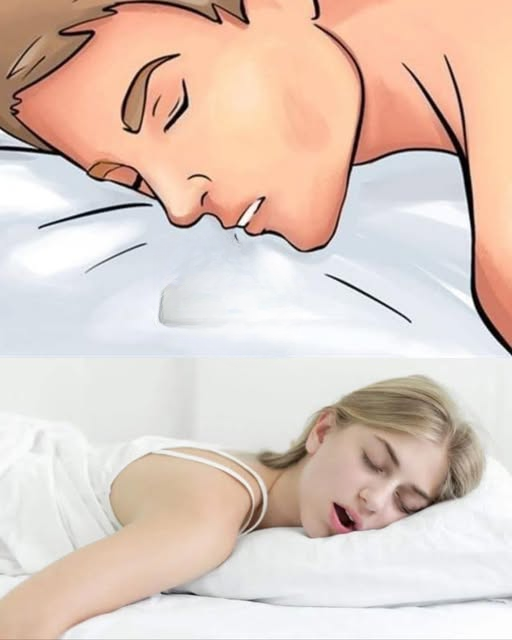
Drooling during sleep is something that many people experience at different points in their lives, yet it’s not often discussed openly. While it may feel slightly uncomfortable or even embarrassing, it is usually a natural and harmless part of how the body functions during rest.
In most cases, drooling simply reflects a deeply relaxed state of sleep. However, when it happens frequently or seems unusual, it may be helpful to understand the possible reasons behind it. By learning what causes nighttime drooling and how to manage it, you can improve both your comfort and your overall sleep quality.
What Happens in Your Body During Sleep
To understand why drooling occurs, it’s important to look at how the body behaves during sleep. As you move into deeper stages of rest, your muscles begin to relax significantly. This includes not only the larger muscles in your body but also smaller ones, such as those in your face and jaw.
During the stage known as REM (Rapid Eye Movement) sleep, this relaxation becomes even more pronounced. Your body enters a state where voluntary muscle activity is reduced, allowing for restorative processes to take place.
As a result, your mouth may open slightly without you realizing it. At the same time, your swallowing reflex becomes less active compared to when you are awake. When saliva naturally builds up and is not swallowed as frequently, it can escape from the mouth, leading to drooling.
This process is entirely normal and often indicates that your body has reached a deep and restful stage of sleep.
The Impact of Sleep Position
One of the most common and straightforward reasons for drooling is your sleeping position.
People who sleep on their side or stomach are more likely to notice drooling. In these positions, gravity allows saliva to move toward the edge of the mouth more easily. Over time, it can naturally flow out onto a pillow.
On the other hand, sleeping on your back tends to keep saliva inside your mouth, as gravity works in the opposite direction. This can reduce the likelihood of drooling.
However, changing your sleep position is not always the best or most comfortable solution for everyone. Some individuals may experience snoring or breathing difficulties when lying on their back. Therefore, it’s important to find a position that supports both comfort and healthy breathing.
Breathing Patterns and Nasal Congestion
Another key factor that contributes to drooling is how you breathe during sleep.
When your nasal passages are clear, breathing through the nose is the body’s natural preference. However, if your nose is blocked due to congestion, your body may switch to breathing through the mouth.
Mouth breathing increases the likelihood of drooling because the mouth remains open for longer periods, allowing saliva to escape more easily.
Common reasons for nasal congestion include:
- Seasonal allergies
- Mild colds or respiratory infections
- Exposure to dust or environmental irritants
- Structural differences in the nasal passages
People who breathe through their mouth at night may also notice additional symptoms such as dry mouth, snoring, or less restful sleep.
Addressing nasal congestion—through hydration, proper ventilation, or medical guidance when needed—can help reduce drooling in many cases.
The Role of Digestion
Your digestive system can also influence what happens during sleep, including saliva production.
For example, mild acid reflux can sometimes occur when lying down, especially after eating late in the evening. When this happens, the body may produce extra saliva as a natural protective response. Saliva helps neutralize stomach acid and protect the throat.
This increased saliva can lead to drooling, particularly if combined with mouth breathing or certain sleep positions.
Signs that digestion may be contributing include:
- A sour or unusual taste upon waking
- Mild throat discomfort during the night
- Feeling overly full before bedtime
Simple adjustments, such as avoiding heavy meals late at night or slightly elevating your head while sleeping, can often help improve this situation.
Oral Health and Saliva Production
The condition of your mouth plays a direct role in how much saliva your body produces.
If there is irritation in the gums or teeth—such as sensitivity or inflammation—the body may respond by producing more saliva. This is part of a natural protective mechanism.
While this response is helpful during the day, it can contribute to drooling at night when swallowing reflexes are reduced.
Maintaining good oral hygiene can make a noticeable difference. Healthy habits include:
- Brushing your teeth at least twice a day
- Flossing regularly
- Visiting a dental professional for routine check-ups
These practices not only support oral health but can also help regulate saliva production over time.
Lifestyle Factors That May Influence Drooling
Certain daily habits can also affect how your body behaves during sleep.
For example, hydration levels play an important role. Dehydration may alter saliva consistency, while adequate fluid intake supports normal function.
Sleep quality is another factor. Irregular sleep patterns or fatigue can influence how deeply you sleep and how your body relaxes, potentially increasing the likelihood of drooling.
Additionally, some individuals may notice changes based on their evening routines, such as eating habits, screen time, or stress levels.
By maintaining consistent sleep habits and a balanced lifestyle, you can often reduce minor sleep-related issues, including drooling.
When to Pay Attention
In most cases, drooling during sleep is harmless and does not require concern. However, there are situations where it may be worth paying closer attention.
You may consider seeking guidance if:
- Drooling is sudden and significantly increased
- It is accompanied by difficulty swallowing while awake
- There are signs of persistent breathing issues during sleep
- It affects sleep quality or daily comfort
These situations are not necessarily serious, but they may benefit from professional evaluation to ensure everything is functioning properly.
Simple Ways to Reduce Nighttime Drooling
If drooling is bothersome, there are several simple steps you can try:
- Adjust your sleeping position if comfortable
- Keep nasal passages clear, especially during allergy seasons
- Avoid heavy meals right before bedtime
- Maintain good oral hygiene
- Stay hydrated throughout the day
- Use supportive pillows to keep your head slightly elevated
Small adjustments like these can often lead to noticeable improvements over time.
A Normal Part of Sleep for Many People
It’s important to remember that drooling during sleep is a common experience shared by many people. It does not necessarily indicate a problem and is often simply a sign that your body is fully relaxed.
Rather than viewing it as something unusual, it can be helpful to see it as part of the body’s natural sleep process.
Final Thoughts
Drooling during sleep may seem like a minor or even awkward issue, but it is usually harmless and easy to understand once you look at the underlying causes.
From sleep position and breathing patterns to digestion and oral health, several factors can influence this behavior. In most cases, small lifestyle adjustments are enough to manage or reduce it.
The key is awareness without worry. By paying attention to your body and making thoughtful changes when needed, you can improve both your comfort and your overall sleep quality.
At the end of the day, healthy sleep is about balance—and sometimes, even the smallest details can offer useful insights into how your body works.