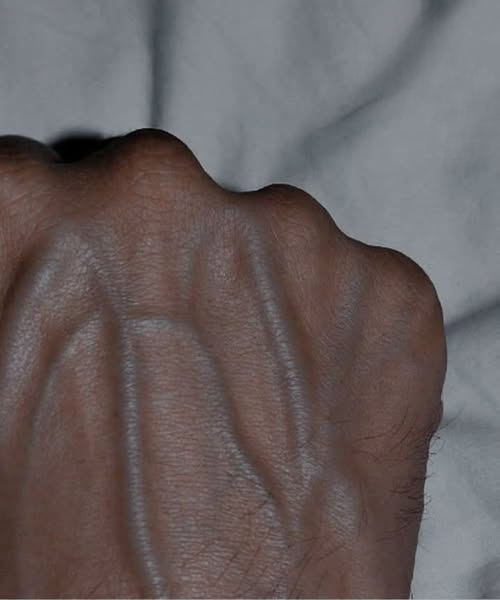
The human body is made up of many interconnected systems that work continuously to keep us alive and functioning. One of the most essential systems is the circulatory system, which is responsible for transporting blood, oxygen, nutrients, and waste products throughout the body. Within this system, veins play a crucial role.
For some people, veins are barely noticeable beneath the skin. For others, however, veins may appear more visible, especially in areas like the hands, arms, or legs. This can sometimes raise questions or even concerns. You might find yourself wondering why your veins seem more pronounced than before or why they stand out more compared to others.
The good news is that visible veins are very common and, in most cases, completely harmless. However, there are situations where changes in vein appearance may be linked to underlying factors that deserve attention.
In this comprehensive guide, we will explore everything you need to know about visible veins. From normal, everyday causes to situations where medical advice may be helpful, this article will provide clear, reliable, and easy-to-understand information.
Understanding the Role of Veins in the Body
To better understand why veins become visible, it helps to first understand what veins actually do.
Veins are blood vessels responsible for carrying blood back to the heart after oxygen has been delivered to tissues. Unlike arteries, which carry oxygen-rich blood away from the heart, veins transport blood that is lower in oxygen.
Another important difference is that veins have thinner walls compared to arteries. Because of this, they are often located closer to the surface of the skin. This positioning makes them more likely to be seen, especially under certain conditions.
Veins also contain small valves that help keep blood flowing in the correct direction. These valves prevent blood from flowing backward, especially in areas like the legs where gravity works against circulation.
Why Some Veins Are More Visible Than Others
Not all veins are equally visible, and this variation is completely normal. Several factors influence how noticeable your veins appear:
- Skin thickness
- Amount of fat beneath the skin
- Blood flow levels
- Body temperature
- Lighting conditions
- Natural genetics
For example, someone with thinner skin and less body fat will likely have more visible veins compared to someone with thicker skin or higher fat levels.
Common and Harmless Reasons for Visible Veins
In many cases, visible veins are simply the result of normal body characteristics or daily habits. Below are some of the most common reasons.
1. Low Body Fat Percentage
When the body has less fat beneath the skin, veins become easier to see. This is because there is less tissue covering them.
Athletes, fitness enthusiasts, and individuals who have recently lost weight often notice that their veins appear more prominent. In fact, visible veins in these cases are sometimes considered a sign of physical fitness and muscle definition.
2. Natural Aging Process
As people get older, the skin naturally changes. It becomes thinner and may lose some of its elasticity. At the same time, the layer of fat beneath the skin may decrease.
These changes make veins more visible, especially in areas like the hands and arms. While this can be surprising at first, it is a normal part of aging and not usually a cause for concern.
3. Physical Activity and Exercise
Exercise temporarily increases blood flow throughout the body. When you engage in physical activity, your muscles require more oxygen, which leads to increased circulation.
As a result, veins expand slightly to accommodate the increased blood flow. This can make them appear more noticeable during and shortly after exercise.
For individuals who exercise regularly, this effect may become more consistent over time.
4. Warm Weather and Heat Exposure
Temperature plays a significant role in how veins appear. In warm conditions, the body works to cool itself by increasing blood flow near the skin.
This causes veins to expand, making them more visible. Once the body cools down, veins typically return to their usual appearance.
5. Genetics and Family Traits
Genetics can strongly influence vein visibility. Some people are simply born with characteristics that make their veins more noticeable.
If your family members have prominent veins, there is a good chance you may experience the same. This is completely normal and not a sign of any health issue.
6. Hydration Levels
Hydration can also affect how veins look. When the body is not fully hydrated, blood volume may decrease slightly, making veins appear more pronounced.
Drinking enough water helps maintain proper circulation and can sometimes reduce the visibility of veins.
7. Hormonal Changes
Hormonal fluctuations can impact the circulatory system. During certain life stages—such as pregnancy or natural hormonal cycles—veins may appear more noticeable.
These changes are usually temporary and tend to stabilize over time.
When Visible Veins May Need Attention
Although visible veins are usually harmless, there are situations where they may be associated with underlying conditions. Being aware of these possibilities can help you make informed decisions about your health.
1. Chronic Venous Insufficiency
This condition occurs when the valves in the veins do not function as effectively as they should. As a result, blood may have difficulty flowing back to the heart and can collect in the veins.
Common signs include:
- Swelling in the lower legs or ankles
- A feeling of heaviness in the legs
- Skin changes or discoloration
- Enlarged or twisted veins
This condition develops gradually and can often be managed with proper care and guidance from a healthcare provider.
2. Varicose Veins
Varicose veins are enlarged veins that may appear twisted or raised. They are most commonly found in the legs.
Some people may experience:
- Mild discomfort or aching
- A feeling of pressure in the legs
- Changes in skin texture
While varicose veins are often considered a cosmetic concern, they can sometimes cause discomfort and may benefit from medical evaluation.
3. Surface Vein Inflammation
Occasionally, a vein near the surface of the skin may become irritated or inflamed. This can lead to redness, tenderness, or a firm feeling along the vein.
Although this is usually not serious, it is still a good idea to consult a healthcare professional for proper assessment.
4. Blood Clots in Deeper Veins
In rare cases, a clot may form in a deeper vein, most often in the legs. This situation requires prompt medical attention.
Signs that should not be ignored include:
- Sudden swelling in one leg
- Persistent discomfort
- Warmth or color changes in the skin
If you notice these symptoms, it is important to seek medical help as soon as possible.
Everyday Factors That Can Make Veins More Noticeable
Sometimes, visible veins are linked to simple, non-medical factors that are part of daily life. These include:
- Rapid weight changes
- Increased muscle mass
- Extended periods of standing or sitting
- Travel or long hours of inactivity
These factors can temporarily affect circulation and influence how veins appear.
When Should You Consider Speaking to a Professional?
Although most cases of visible veins are harmless, there are certain situations where it is wise to get expert advice.
Consider reaching out to a healthcare provider if you notice:
- Sudden or unusual changes in vein appearance
- Ongoing discomfort or swelling
- Skin changes around the veins
- A personal or family history of circulation-related conditions
Getting a professional opinion can provide reassurance and, if needed, early guidance.
Ways to Support Healthy Circulation
Maintaining good circulation is one of the best ways to support overall vein health. Here are some simple habits that can help:
Stay Physically Active
Regular movement encourages healthy blood flow. Activities like walking, stretching, or light exercise can make a positive difference.
Maintain a Balanced Weight
Keeping a stable and healthy weight reduces unnecessary pressure on the veins, especially in the lower body.
Elevate Your Legs
Raising your legs slightly when resting can help improve circulation and reduce temporary swelling.
Take Breaks from Sitting or Standing
If your routine involves long periods in one position, try to move around regularly to keep blood flowing.
Options for Managing the Appearance of Veins
For those who are concerned about how their veins look, there are several approaches available.
Lifestyle Adjustments
Simple changes, such as staying hydrated and maintaining regular activity, can help improve overall circulation.
Compression Wear
Specially designed garments can support blood flow and may reduce discomfort in certain situations.
Professional Treatments
In some cases, healthcare professionals may suggest procedures that target specific veins. These options are typically considered when veins cause discomfort or significant cosmetic concern.
Emotional and Personal Perspectives
It’s important to remember that visible veins are a natural variation of the human body. For some, they are a sign of strength, fitness, or individuality. For others, they may be a source of self-consciousness.
Both perspectives are valid. The key is understanding that visible veins are very common and, in most cases, not something to worry about.
If appearance is a concern, there are options available. If not, embracing your body as it is can also be a healthy and positive approach.
Final Thoughts
Visible veins can sometimes feel surprising, especially if they appear more noticeable over time. However, in the majority of cases, they are simply a result of natural factors such as aging, body composition, activity levels, or genetics.
Understanding the reasons behind these changes can help you feel more confident and informed. At the same time, being aware of potential warning signs ensures that you can take action if needed.
Your body constantly communicates with you in subtle ways. Paying attention to these signals—while maintaining a balanced perspective—can help you stay in tune with your overall well-being.
If you ever feel unsure about changes in your body, seeking professional advice is always a smart and responsible step.