Discovering a tick on your skin can trigger an immediate wave of alarm. It might begin with a faint crawling sensation on your ankle or wrist. You brush at it casually, glance down, and suddenly realize it’s not a speck of dirt or a stray thread.
It’s a tick.
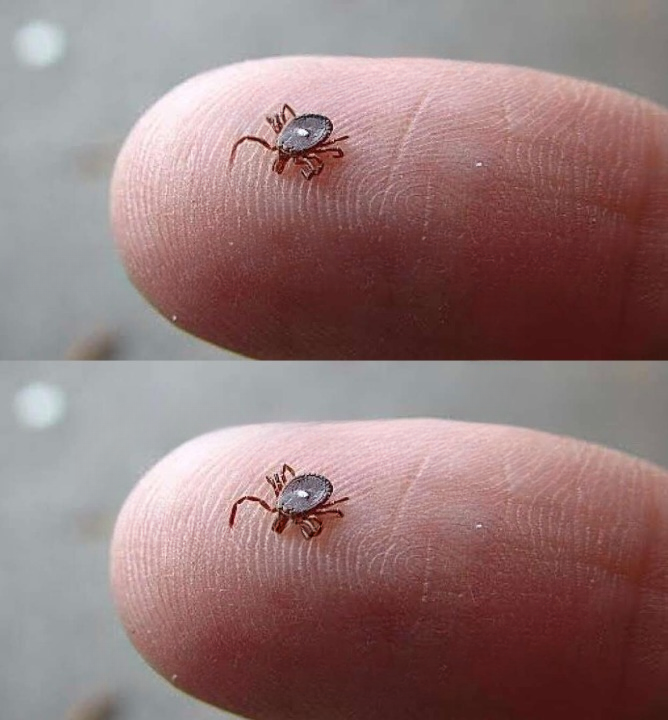
If the tick has a small white dot centered on its back, you may be looking at a lone star tick. While that realization can feel unsettling, it’s important to know that most tick encounters can be handled safely and effectively with the right steps.
This comprehensive guide will walk you through:
-
How to identify a lone star tick
-
How to remove it properly
-
What symptoms to monitor afterward
-
When to seek medical advice
-
How to reduce your risk in the future
This article is for general informational purposes only and does not replace professional medical advice. If you experience concerning symptoms, consult a qualified healthcare provider.
Understanding the Lone Star Tick
The lone star tick, scientifically known as Amblyomma americanum, is commonly found in the southeastern and eastern United States, though its range has expanded in recent years.
How to Identify It
Correct identification can help guide next steps.
Adult female lone star ticks
-
One distinct white or silvery dot in the center of the back
-
Reddish-brown body
-
Small when unfed (about sesame seed size)
-
Larger and grayish when engorged
Adult males
-
No single central dot
-
May have scattered white markings or streaks
-
Similar reddish-brown coloring
One notable characteristic of this species is that it actively seeks hosts rather than simply waiting passively on vegetation. It detects body heat and carbon dioxide, which explains why encounters can feel sudden and unexpected.
Why Lone Star Ticks Receive Special Attention
Ticks in general are capable of carrying pathogens, and lone star ticks are associated with several health concerns. However, it’s important to emphasize that not every tick carries disease.
Conditions linked to lone star ticks include:
-
Southern tick-associated rash illness (STARI)
-
Ehrlichiosis
-
Tularemia
-
Heartland virus
-
Bourbon virus
Additionally, lone star ticks have been associated with alpha-gal syndrome, a condition that may cause delayed allergic reactions to certain mammalian meat products.
While these possibilities can sound alarming, prompt and proper removal significantly reduces risk.
First Response: Stay Calm and Act Methodically
Your first instinct might be to:
-
Flick it off
-
Crush it
-
Twist it quickly
-
Smother it with oil
-
Burn it
Pause.
Improper removal methods can increase irritation and may raise the risk of pathogen transmission. The goal is steady, controlled removal.
How to Remove a Lone Star Tick Safely
What You’ll Need
-
Fine-tipped tweezers
-
Soap and water or rubbing alcohol
-
A small sealed container or tape
-
Gloves (optional but helpful)
Step-by-Step Removal Instructions
1. Use fine-tipped tweezers.
Grasp the tick as close to the skin’s surface as possible. Position the tweezers around the mouthparts, not the body.
2. Pull upward with steady pressure.
Apply slow, even pressure. Do not twist, jerk, or squeeze. A controlled upward motion helps remove the tick intact.
3. Avoid crushing the body.
Squeezing may push fluids outward, which is not recommended.
4. Clean the area thoroughly.
Wash the bite site and your hands with soap and water. Rubbing alcohol can also be used to disinfect the area.
5. Dispose of the tick safely.
Options include:
-
Placing it in alcohol
-
Sealing it in a container
-
Wrapping it tightly in tape
-
Flushing it down the toilet
Avoid crushing it with bare fingers.
What Not to Do
Certain popular home remedies are not advised:
-
Do not use petroleum jelly
-
Do not apply nail polish
-
Do not burn it with a match
-
Do not apply essential oils
-
Do not aggressively twist
These approaches may stress the tick and are not considered safe removal methods.
Should You Save the Tick?
Many healthcare professionals recommend saving the tick if possible.
Place it in a sealed container or tape it to a card and note the date of removal. If symptoms develop later, identifying the species may assist healthcare providers in evaluating your situation.
After Removal: What to Monitor
The next step is observation.
For approximately 30 days following the bite, monitor for:
-
Expanding rash
-
Fever
-
Fatigue
-
Muscle aches
-
Joint pain
-
Headache
-
Swollen lymph nodes
A small amount of redness immediately after removal is common. What warrants attention is spreading redness or systemic symptoms.
Understanding STARI
Southern tick-associated rash illness (STARI) is linked to lone star tick bites.
Symptoms may include:
-
A red, expanding rash near the bite
-
Mild fatigue
-
Headache
-
Muscle discomfort
The rash may resemble that seen in Lyme disease, though STARI is generally considered less severe. Its exact cause is still being studied.
If you notice a spreading rash or feel unwell after a tick bite, contact a healthcare provider.
Alpha-Gal Syndrome Explained
One of the more widely discussed conditions associated with lone star ticks is alpha-gal syndrome.
This condition can lead to delayed allergic reactions after consuming red meat such as beef, pork, or lamb.
Possible symptoms include:
-
Hives
-
Stomach discomfort
-
Nausea
-
Digestive upset
-
In rare cases, breathing difficulty
Reactions typically occur several hours after eating.
Not everyone bitten by a lone star tick develops alpha-gal syndrome. However, if unusual allergic reactions occur after eating meat following a tick bite, seek medical advice.
When to Seek Immediate Medical Attention
Contact a healthcare provider promptly if you experience:
-
High fever
-
Severe headache
-
Widespread rash
-
Shortness of breath
-
Chest pain
-
Signs of a severe allergic reaction
Early evaluation supports better outcomes.
What If Part of the Tick Remains?
Occasionally, small mouthparts may remain embedded.
If this happens:
-
Try removing them gently with clean tweezers
-
If removal is difficult, leave the area alone
-
Keep the area clean
-
Monitor for infection signs
The body may naturally expel small fragments over time.
Checking Children and Pets
Ticks can attach to anyone spending time outdoors.
After outdoor activities:
For children:
-
Check behind ears
-
Inspect hairline
-
Examine armpits
-
Look behind knees
For pets (especially dogs):
-
Inspect ears
-
Check under collars
-
Look between toes
-
Feel along the belly and tail area
Consult your veterinarian about tick prevention options suitable for your pet.
Why Quick Removal Matters
In many tick-borne illnesses, transmission risk increases the longer the tick remains attached.
Routine tick checks after outdoor exposure help ensure early detection and removal.
Reducing Tick Risk Around Your Home
Ticks thrive in:
-
Tall grass
-
Leaf litter
-
Brush piles
-
Wooded edges
To reduce habitat:
-
Keep lawns trimmed
-
Remove leaf piles
-
Clear brush
-
Stack firewood neatly
-
Create gravel or wood-chip barriers between wooded areas and lawn spaces
Landscape maintenance can significantly reduce tick presence.
Personal Protection Outdoors
If spending time in grassy or wooded environments:
-
Wear long sleeves and long pants
-
Tuck pants into socks
-
Choose light-colored clothing
-
Use EPA-approved repellents containing DEET, picaridin, or IR3535
-
Treat clothing with permethrin (do not apply directly to skin)
After returning indoors:
-
Shower within two hours
-
Perform a full-body tick check
-
Place outdoor clothing in the dryer on high heat for 10 minutes
Heat effectively kills ticks that may be on clothing.
Emotional Reactions Are Normal
Finding a tick can provoke strong feelings:
-
Anxiety
-
Disgust
-
Hyper-awareness of itching
-
Temporary worry about additional ticks
These reactions are completely normal.
Education replaces panic with preparedness. Once you know what to do, the situation becomes manageable.
Are Lone Star Ticks Expanding Their Range?
Research indicates that lone star ticks have expanded geographically in recent decades. Factors may include:
-
Climate shifts
-
Changes in wildlife populations
-
Habitat development patterns
Staying informed about tick activity in your region supports proactive prevention.
Do All Lone Star Ticks Carry Disease?
No.
Many lone star ticks do not carry pathogens. Risk varies by region and environmental conditions.
Because visual inspection alone cannot determine infection status, proper removal and monitoring remain essential.
The Bigger Picture: Prevention + Awareness
Managing tick encounters involves four key principles:
-
Awareness
-
Prompt removal
-
Symptom monitoring
-
Preventive measures
Ticks are part of many ecosystems. Complete avoidance may not always be possible, but exposure can be significantly reduced.
Final Thoughts
Seeing a lone star tick attached to your skin can feel unsettling. The small white marking makes it recognizable—and memorable.
But here’s what matters most:
-
Stay calm
-
Remove it properly
-
Clean the area
-
Monitor your health
-
Take preventive steps moving forward
Most tick bites do not result in illness. Acting promptly and staying informed dramatically reduces risk.
Preparedness transforms panic into confidence.
And confidence allows you to enjoy the outdoors—wisely and safely.