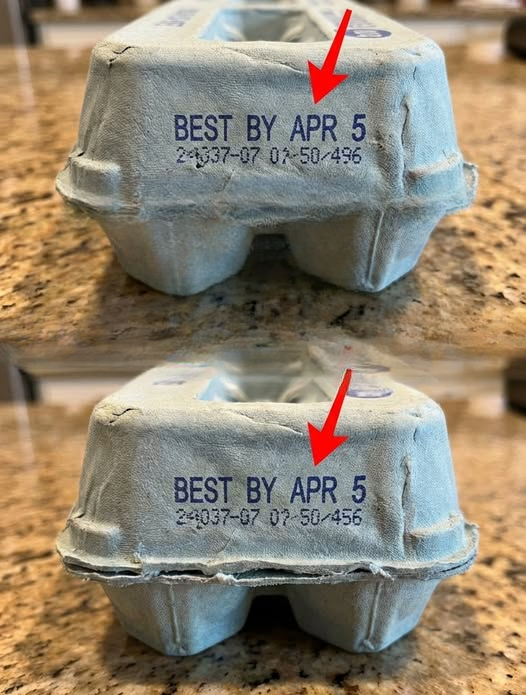
At first glance, buying eggs seems simple. You walk into the grocery store, head to the refrigerated aisle, choose a carton, and place it in your cart without much thought. Eggs are a staple—used for breakfast, baking, sauces, and countless family recipes. Yet if you pause for a moment and examine the carton more closely, you’ll notice it’s covered in numbers, letters, grades, and descriptive labels.
To many shoppers, these markings feel confusing or unnecessary. But in reality, those small codes contain useful information about freshness, quality, and origin. Understanding them can help you make smarter choices in the kitchen and avoid disappointing results in your recipes.
In this comprehensive guide, we’ll break down what the numbers and labels on your egg carton truly mean. We’ll explore packing dates, plant codes, grading systems, common marketing terms, storage tips, and how freshness affects cooking performance. By the end, you’ll be able to decode an egg carton with confidence.
Why Egg Carton Details Matter
Eggs are perishable products. Unlike shelf-stable pantry goods, their quality changes gradually over time. Even when refrigerated, eggs slowly lose moisture and carbon dioxide through the shell’s pores. As this happens, texture, flavor, and cooking performance can shift.
Because freshness directly affects how eggs behave in recipes, the information printed on the carton is more than just fine print. It provides insight into:
-
When the eggs were packed
-
Where they were processed
-
Their quality grade
-
Production standards used on the farm
For casual cooking, small differences may not always be noticeable. But for delicate recipes—such as poached eggs, meringues, custards, or soufflés—freshness and quality can make a significant difference.
The Julian Date: The “Packed On” Code Explained
One of the most important numbers on an egg carton is the three-digit code commonly referred to as the Julian date. Despite its technical name, it’s quite simple once you understand it.
The Julian date represents the day of the year when the eggs were packed. It ranges from 001 to 365 (or 366 in a leap year).
For example:
-
001 = January 1
-
032 = February 1
-
100 = April 10
-
200 = July 19
-
365 = December 31
If you see a carton marked “150,” it means the eggs were packed on the 150th day of the year, which corresponds to late May.
Why the Julian Date Matters
This code tells you how fresh the eggs are, regardless of the sell-by date printed elsewhere on the carton. Sell-by dates are intended primarily for retailers, guiding how long a product can remain on store shelves. The Julian date, however, provides a more precise reference for consumers.
Eggs are generally considered at their best quality for several weeks after packing when kept properly refrigerated. By checking the Julian date, you can compare cartons and select the freshest option available.
Sell-By vs. Expiration: Understanding the Difference
Many shoppers rely only on the sell-by date. However, it’s helpful to understand how it differs from the packing date.
-
Sell-By Date: Indicates how long the store should display the eggs for sale.
-
Expiration Date (if listed): Suggests when peak quality may decline.
-
Julian Date: Reveals the actual day the eggs were packed.
In many cases, eggs can remain safe to use beyond the sell-by date if they’ve been stored consistently at proper refrigeration temperatures. However, quality may gradually decrease.
For best results, focus on both the Julian date and proper storage practices.
The Plant Code: Where Your Eggs Were Processed
Next to the Julian date, you’ll often see a plant code that begins with the letter “P” followed by several numbers, such as “P1021.”
This code identifies the processing facility where the eggs were cleaned, graded, and packaged. It plays an important role in food safety and traceability.
Why Plant Codes Are Important
If a food recall occurs, the plant code helps consumers determine whether their eggs are affected. Government agencies and manufacturers use these identifiers to track products efficiently and remove specific batches from distribution if needed.
While recalls are relatively uncommon, knowing how to locate and interpret the plant code provides added peace of mind.
Egg Freshness and the Floating Test
You may have heard about the “float test” for eggs. The idea is simple: place an egg in a bowl of water.
-
If it sinks and lies flat, it is very fresh.
-
If it stands upright but remains submerged, it is older but still usable.
-
If it floats, it is likely past its prime.
This method works because eggs gradually develop a larger air pocket inside the shell as they age. The larger the air cell, the more buoyant the egg becomes.
However, while the float test can give a rough estimate of age, it is not the most reliable indicator of safety. An egg that stands upright may still be perfectly suitable for cooking, especially for baking purposes.
Checking the Julian date remains a more accurate way to gauge freshness.
Proper Storage: Extending Egg Quality
How you store eggs significantly impacts how long they maintain peak quality.
Best Storage Practices
-
Keep eggs refrigerated at a consistent temperature (around 40°F or 4°C).
-
Store them in their original carton to protect them from absorbing odors.
-
Place them in the coldest part of the refrigerator—not in the door, where temperatures fluctuate.
Eggshells are porous. Keeping them sealed in their carton helps prevent moisture loss and odor transfer.
Understanding Egg Grades
Eggs in the United States are graded by the USDA (United States Department of Agriculture) based on quality characteristics. These grades evaluate the egg’s interior and exterior condition—not its nutritional value.
There are three primary grades:
Grade AA
-
Thick, firm egg whites
-
High, round yolks
-
Clean, uncracked shells
Grade AA eggs are ideal for frying or poaching because they hold their shape well.
Grade A
-
Slightly thinner whites
-
Still high-quality yolks
-
Clean shells
Grade A eggs are excellent for general cooking and baking.
Grade B
-
Thinner whites
-
Flatter yolks
-
Minor shell imperfections
Grade B eggs are rarely found in retail stores and are often used in processed foods or commercial baking.
For most home cooking, Grade A eggs perform perfectly well. Grade AA may offer a slight advantage for recipes where appearance matters.
Labels Like “Cage-Free,” “Free-Range,” “Organic,” and “Pasture-Raised”
Egg cartons often feature descriptive terms that relate to how hens are raised. These labels can influence purchasing decisions, but understanding what they actually mean is important.
Cage-Free
Hens are not kept in small cages. However, they may still be housed indoors in large barns.
Free-Range
Hens have some level of outdoor access. The amount of time and space outdoors can vary.
Organic
Hens are fed certified organic feed and are not treated with certain synthetic substances. Organic standards also require outdoor access.
Pasture-Raised
Though definitions can vary, pasture-raised systems generally provide hens with more outdoor space to roam and forage.
These labels primarily describe production methods rather than freshness or grade. Choosing among them often depends on personal values, budget, and taste preferences.
Do Different Labels Affect Taste?
Many consumers report differences in yolk color and flavor depending on how hens are raised and fed.
For example:
-
Eggs from hens with varied diets may have deeper-colored yolks.
-
Some people describe pasture-raised eggs as having richer flavor.
However, taste can be subjective. Freshness typically has a more noticeable impact on texture and cooking performance than labeling alone.
How Freshness Affects Cooking Results
Fresh eggs behave differently than older eggs.
For Poaching and Frying
Very fresh eggs hold their shape better because the whites are firmer.
For Baking
Slightly older eggs can still perform well, especially when mixed with other ingredients.
For Hard-Boiling
Interestingly, eggs that are a week or two old often peel more easily than extremely fresh eggs.
Understanding these differences helps you choose the right carton for your intended use.
Recognizing Signs of Spoilage
Even with careful date checking, it’s important to know how to recognize spoilage.
An egg that has gone bad may:
-
Emit a strong sulfur-like odor
-
Have an unusual appearance once cracked
-
Contain discolored whites or yolks
When in doubt, discard the egg. Food safety should always take priority.
Why Paying Attention Improves Your Cooking
Many home cooks don’t realize how much freshness impacts results until they compare older eggs with fresher ones side by side.
Fresh eggs often produce:
-
Fluffier scrambled eggs
-
More stable foams for meringue
-
Better structure in delicate dishes
If you’ve ever experienced unexpectedly watery scrambled eggs or fragile poached eggs, freshness may have played a role.
Smart Shopping Tips
When buying eggs:
-
Check the Julian date.
-
Inspect cartons for cracks.
-
Choose the grade suited to your cooking needs.
-
Store properly once home.
Taking a few extra seconds in the store can improve your results in the kitchen.
Eggs as a Kitchen Essential
Eggs are one of the most versatile ingredients in cooking. They bind, thicken, emulsify, leaven, and enrich recipes. Because they serve so many roles, their quality and freshness matter more than many people realize.
Understanding carton codes transforms you from a passive shopper into an informed one. Instead of guessing, you can make decisions based on knowledge.
Final Thoughts: Small Numbers, Big Difference
At first glance, the numbers printed on your egg carton may look like random digits. In reality, they tell a story—when the eggs were packed, where they were processed, and how they were graded.
By learning to interpret:
-
The Julian date
-
The plant code
-
USDA grade markings
-
Production labels
—you gain valuable insight into freshness and quality.
Next time you’re in the egg aisle, take a closer look. Compare dates. Examine labels. Choose intentionally.
Eggs may be simple, but understanding their labels can elevate your cooking and reduce waste. When you know what those numbers mean, you’re no longer guessing—you’re shopping with confidence.