Understanding Nail Changes: What Your Nails Might Be Showing You
It’s easy to ignore small changes in your nails. A faint line here, a slight ridge there, or a subtle change in texture often goes unnoticed in everyday life. Most people focus on nail appearance for cosmetic reasons—keeping them clean, trimmed, and polished—but nails can also offer quiet clues about what’s happening inside the body.
In many cases, these changes are harmless and simply part of normal life. However, certain patterns in the nails can sometimes reflect nutrition, lifestyle, or underlying health factors. The important thing is not to panic, but to observe carefully and understand what may or may not require attention.
Nails grow slowly, which means they can act almost like a timeline of recent changes in your health. Because of this, any disruption in the body—whether minor or more significant—may eventually show up in the nails weeks later.
Vertical Lines: The Most Common Nail Change
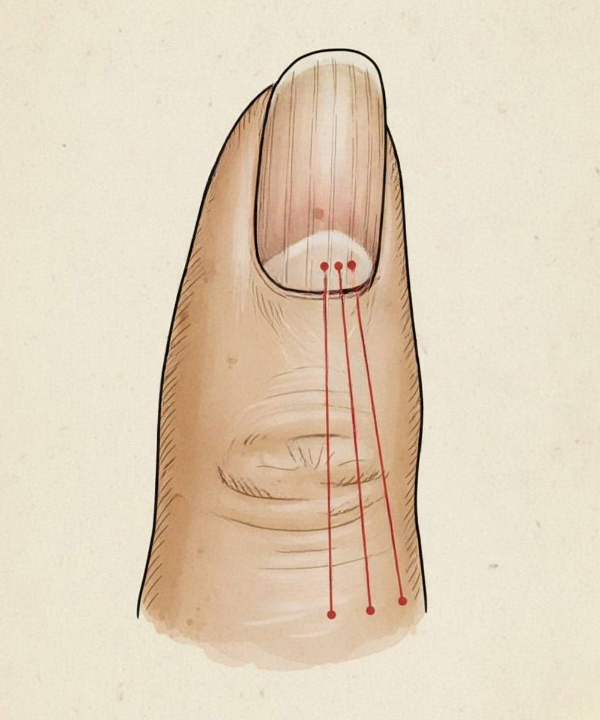
One of the most frequent nail changes people notice is the appearance of vertical ridges. These lines run from the base of the nail (cuticle) to the tip and are often most visible when looking closely under natural light.
In many cases, vertical ridges are completely normal. They tend to become more noticeable as people age. Just as skin changes over time, nails also undergo natural shifts in growth and texture. As the body’s cell renewal process slows down, the nail surface may no longer grow as smoothly as it once did.
For this reason, vertical lines are often considered a normal part of aging rather than a cause for concern.
However, there are situations where these ridges may become more noticeable or change in appearance. When vertical lines are accompanied by other symptoms—such as brittleness, splitting, or unusual nail texture—it may suggest additional factors are involved.
In some cases, nutritional balance plays a role. The body needs a variety of nutrients to maintain healthy nail growth, including iron, zinc, protein, and certain vitamins such as biotin and B-complex vitamins. If the body is not receiving enough of these nutrients, nail texture can sometimes reflect that imbalance.
For example, iron deficiency may not only contribute to ridges but can also affect nail shape or strength in more noticeable ways. However, nail changes alone are never enough to diagnose a deficiency—they are simply one possible indicator among many.
Skin conditions such as eczema or psoriasis may also influence nail appearance, leading to roughness or irregular texture in some individuals.
Horizontal Lines: A Closer Look at Beau’s Lines
Unlike vertical ridges, horizontal lines across the nails are less common and tend to attract more attention. These are known in medical terms as Beau’s lines.
Beau’s lines appear as indentations that run horizontally across the nail plate. They form when nail growth is temporarily interrupted.
Because nails grow continuously but slowly, anything that affects the body’s normal functioning can briefly pause that growth. Once the body recovers, the nail continues growing, leaving behind a visible line that marks the interruption.
There are several possible reasons why this may happen. A significant illness, high fever, or physical stress on the body can temporarily disrupt normal nail development. Even emotional or physical stress in some cases may contribute to changes in growth patterns.
More serious underlying conditions—such as thyroid disorders, diabetes, or kidney-related issues—may also be associated with nail growth interruptions. Certain medical treatments, including chemotherapy, are well known to cause Beau’s lines as well.
It is important to remember that the presence of these lines does not automatically indicate a serious health issue. Instead, they may reflect a past event in the body that temporarily affected normal growth.
Discoloration and Other Nail Changes
In addition to lines and ridges, nail color can also provide useful information. Healthy nails are typically consistent in tone and texture. When changes occur, they are worth observing closely.
Minor discoloration can sometimes result from everyday causes such as small injuries, pressure, or exposure to external substances. These changes are often temporary and resolve on their own.
However, persistent or unusual discoloration—such as dark streaks, brown patches, or red markings under the nail—may require attention. While not always serious, such changes should be evaluated if they continue or worsen over time.
The same applies to sudden changes in nail thickness, shape, or texture. When multiple nails are affected at once, or when changes appear alongside other physical symptoms like fatigue or weakness, it may indicate that something deeper is going on.
How to Interpret Nail Changes Properly
One of the most important things to understand about nail health is that no single sign should be viewed in isolation. A single ridge or line is rarely meaningful on its own.
Instead, patterns matter more than individual changes. For example:
- A single vertical ridge may simply be part of normal growth or aging
- Multiple ridges across several nails may suggest nutritional or environmental factors
- Horizontal lines across several nails may indicate a past illness or stress event
Timing is also important. Because nails grow slowly, changes seen today may reflect what happened weeks or even months earlier. This makes nails a useful but delayed indicator of overall health.
Context is key. Nail changes should always be considered alongside other symptoms such as energy levels, skin condition, or general well-being.
When to Pay Closer Attention
In most cases, minor nail changes are harmless and do not require medical intervention. However, it may be worth consulting a healthcare professional if you notice:
- Sudden or severe changes in nail texture or color
- Multiple nails showing similar unusual patterns
- Nail changes combined with fatigue, weakness, or unexplained symptoms
- Persistent discoloration that does not grow out over time
A medical evaluation can help determine whether the changes are part of a harmless process or connected to something that needs attention.
Supporting Healthy Nails
Maintaining nail health is closely linked to overall wellness. Simple daily habits can make a difference in how nails look and grow over time.
Some helpful practices include:
- Eating a balanced diet rich in vitamins, minerals, and protein
- Staying well hydrated
- Protecting nails from repeated trauma or harsh chemicals
- Keeping nails clean and properly trimmed
- Avoiding excessive biting or picking
These habits support not only nail appearance but also general health.
Final Thoughts
Nails often go unnoticed, but they can quietly reflect changes happening inside the body. Lines, ridges, and subtle texture differences are usually harmless, especially when they appear gradually or with age.
At the same time, paying attention to these small details can be helpful. Not because they should cause worry, but because they can offer early awareness of changes in the body’s condition.
The key is balance—observing without overthinking, and responding calmly when something seems unusual.
In the end, nails are not just cosmetic features. They are small but meaningful indicators that sometimes encourage us to pay closer attention to our overall health.