Changes in the appearance of nails are quite common and often harmless. Many people notice lines, ridges, or variations in nail texture at some point in their lives. In most cases, these changes are part of natural aging or are linked to minor external factors. However, nails can sometimes provide subtle clues about overall health, which is why experts often recommend paying attention to persistent or unusual changes.
Nails are formed in a structure beneath the skin called the nail matrix, located under the cuticle. This area continuously produces new cells that harden and form the visible nail plate. Because nails grow slowly—typically only a few millimeters per month—they can reflect what has been happening in the body over time. For this reason, nails are sometimes described as a kind of “record” of general health, stress, and environmental exposure.
Understanding what different types of nail lines or ridges mean can help you distinguish between normal variations and changes that may require further attention.
Vertical Ridges: A Common and Usually Normal Change
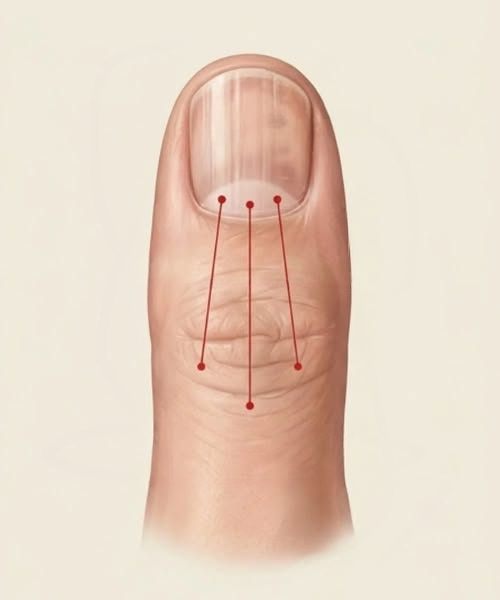
Vertical ridges are the most frequently observed type of nail lines. These ridges run from the base of the nail to the tip and often become more visible with age. In many individuals, they are simply a natural part of the aging process.
As the body grows older, cell turnover slows down, including the production of new nail cells in the matrix. This can result in slightly uneven nail formation, leading to the appearance of vertical lines. In most cases, these ridges develop gradually over time and do not indicate any medical condition.
For many people, vertical ridges are purely cosmetic and do not affect the strength or function of the nails. They may become more noticeable on some fingers than others, but they usually remain stable without causing discomfort.
When Vertical Ridges May Reflect Other Factors
Although vertical ridges are typically harmless, changes in their appearance—such as increased depth, roughness, or sudden onset—can sometimes be influenced by other factors. One important consideration is nutrition.
A balanced diet plays an essential role in maintaining healthy nail growth. Nutrients such as iron, zinc, protein, and vitamins (particularly biotin and B-complex vitamins) support the production of strong, smooth nails. If the body is lacking in these nutrients, nail texture may change, sometimes becoming more brittle or uneven.
It is important to note, however, that nail ridges alone are not a reliable indicator of nutritional deficiency. They should always be considered alongside other symptoms, such as fatigue, hair thinning, or skin changes, before drawing conclusions.
Horizontal Lines (Beau’s Lines): A Temporary Disruption in Nail Growth
Unlike vertical ridges, horizontal lines on the nails—known in medical terms as Beau’s lines—are less common and may have different implications. These lines run across the nail plate and can appear as indentations or grooves.
Beau’s lines occur when nail growth is temporarily interrupted. This can happen when the body is under significant physical stress, such as during illness, high fever, surgery, or periods of intense stress. During these times, the body prioritizes essential functions, and nail production may slow or temporarily stop.
As the nail continues to grow after the interruption, the line gradually moves outward toward the tip. This creates a visible marker that reflects the approximate time when the disruption occurred.
While Beau’s lines can be associated with temporary health challenges, they do not necessarily indicate a chronic or ongoing condition. In many cases, they simply reflect a past event that affected normal nail growth.
External Factors That Can Affect Nail Appearance
Not all changes in nail texture are related to internal health. External factors play a significant role in nail condition and can often lead to ridges, discoloration, or dryness.
Frequent exposure to water, harsh cleaning chemicals, or strong detergents can weaken the nail structure over time. Similarly, cosmetic treatments such as acrylic nails, gel polish, or repeated use of acetone-based removers can affect nail surface quality.
Physical trauma or repeated pressure on the nails can also cause irregularities. Even minor injuries that go unnoticed may influence how the nail grows temporarily. Additionally, skin conditions such as eczema or psoriasis can affect the nail matrix and lead to visible changes in texture or appearance.
In many cases, reducing exposure to irritants and improving nail care habits can help restore healthier nail growth over time.
Nutritional Influence on Nail Health
Nutrition is another important factor in maintaining strong and healthy nails. Deficiencies in certain nutrients can sometimes contribute to changes in nail texture, although these changes are rarely specific enough to diagnose a condition on their own.
Iron deficiency, for example, may be associated with brittle or spoon-shaped nails in more severe cases. Zinc plays a role in cell growth and repair, while protein is essential for keratin production—the main structural component of nails. Vitamins such as biotin and vitamin B12 are also involved in maintaining normal nail development.
A varied and balanced diet that includes fruits, vegetables, lean proteins, whole grains, and healthy fats is generally sufficient to support nail health for most individuals.
When to Pay Closer Attention to Nail Changes
While most nail ridges and lines are harmless, certain changes may warrant closer observation. Sudden appearance of deep ridges, widespread changes across multiple nails, or additional symptoms such as discoloration, thickening, or nail separation from the nail bed may suggest an underlying issue that should be evaluated by a healthcare professional.
It is also important to consider the overall pattern of changes. Gradual and consistent ridges that remain stable over time are typically not concerning. In contrast, rapid or unexplained changes affecting several nails at once may indicate a need for further assessment.
Supporting Healthy Nail Growth
Maintaining healthy nails does not require complex treatments. Simple daily habits can make a meaningful difference. Keeping nails clean and trimmed helps prevent damage and breakage. Regular moisturizing of the hands and cuticles supports flexibility and reduces dryness.
Protecting nails from excessive water exposure and harsh chemicals can also help maintain their integrity. Wearing gloves during cleaning or gardening tasks is a practical way to reduce damage.
Additionally, avoiding habits such as nail biting or using nails as tools can prevent unnecessary stress on the nail structure.
Conclusion
Nail lines and ridges are common and usually harmless, especially when they develop gradually over time. Vertical ridges are most often associated with natural aging, while horizontal lines like Beau’s lines may reflect temporary interruptions in nail growth caused by stress or illness.
Although most nail changes are not a cause for concern, they can sometimes provide useful insights into general health and lifestyle factors. Paying attention to persistent, sudden, or unusual changes—especially when combined with other symptoms—can help identify when professional advice may be appropriate.
In most cases, however, nail ridges are simply a normal part of the body’s natural changes over time and do not indicate a serious medical problem.