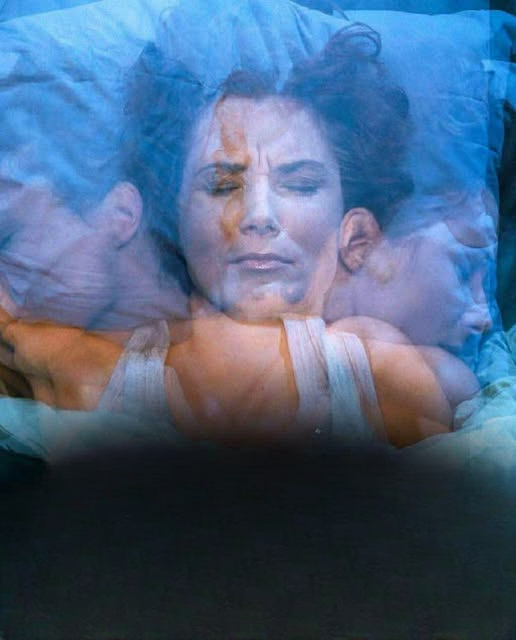
Dreams have fascinated human beings for as long as we have been able to remember them. They feel personal, emotional, and sometimes strangely real—yet science still doesn’t fully agree on what they truly are.
Some people believe dreams carry hidden messages from beyond our physical world. Others see them as the brain’s way of processing memory, emotion, and daily experience. The truth likely sits somewhere in between: a mixture of psychology, memory, and personal meaning.
But one of the most emotionally powerful types of dreams is when someone who has passed away appears in them.
Many people report these dreams after losing a loved one, and they often wake up feeling comforted, confused, or deeply emotional. So what do these dreams actually mean?
Dreams and the Brain: A Scientific Perspective
From a scientific standpoint, dreams are usually linked to activity in the brain during sleep, especially during the REM (rapid eye movement) stage. During this time, the brain processes emotions, sorts memories, and sometimes creates vivid story-like experiences.
Some researchers believe dreams are simply a byproduct of this process—an internal “replay” of emotional experiences, fears, or memories. In this view, dreaming of a deceased person doesn’t necessarily mean anything supernatural. Instead, it may reflect the brain working through grief, change, or unresolved emotions.
According to many sleep researchers, the brain continues its “maintenance work” during sleep, organizing emotional experiences from waking life. In this process, familiar faces—including those of people we have lost—can naturally appear.
Grief, Memory, and Emotional Processing
One of the most widely accepted psychological interpretations is that dreaming of someone who has died is part of the grieving process.
When we lose someone important, our minds don’t simply “accept” the loss overnight. Instead, grief unfolds in stages and can continue for years in different emotional forms.
Dreams can become a space where the mind:
- Replays memories of the person
- Processes unresolved emotions
- Confronts feelings of guilt or longing
- Gradually adapts to life without them
In many cases, these dreams are not random at all. They reflect emotional work that is still happening beneath the surface of awareness.
Psychologists note that major life changes—such as moving, changing jobs, or entering new relationships—can also trigger dreams of deceased loved ones. These transitions often remind the brain of earlier emotional attachments, bringing those memories back into focus during sleep.
When Dreams Feel Like “Visitation”
Not all interpretations are strictly scientific. Many cultures and individuals believe that dreams of deceased loved ones can feel like real encounters or “visitations.”
In these cases, people often describe the dream as unusually vivid, peaceful, or emotionally significant. The deceased person may appear healthy, calm, or even reassuring.
Some dream analysts suggest that the emotional tone of the dream is more important than its content. If the dream feels comforting or healing, it may represent the mind’s way of providing closure or emotional relief.
Others interpret such dreams as symbolic communication—where the subconscious mind uses the image of a loved one to deliver messages about comfort, guidance, or reassurance.
While these interpretations are not scientifically proven, they remain meaningful to many people because of the emotional impact these dreams can have.
Common Themes in Dreams of the Deceased
Experts who study dream patterns often identify several recurring themes when deceased individuals appear in dreams:
1. Emotional processing of loss
The dream reflects ongoing grief and the mind’s attempt to adapt.
2. Unfinished emotional business
Feelings of guilt, regret, or unresolved conversations may surface.
3. Reflection of personal change
Life transitions can trigger memories of people who were part of earlier chapters of life.
4. Symbolic self-reflection
Sometimes, the deceased person represents a part of ourselves—our past identity, habits, or emotional state.
In some cases, researchers also suggest that people may unconsciously project aspects of their own personality onto the image of the deceased, especially if that person had a strong emotional influence during life.
The Role of Emotion in Dream Meaning
One of the most important factors in interpreting these dreams is not what happens in them—but how they make us feel.
A dream about a deceased loved one that feels peaceful may be experienced as comforting or healing. It may leave the dreamer with a sense of closure or connection.
On the other hand, a dream that feels disturbing or confusing may reflect unresolved grief, stress, or emotional conflict.
Rather than focusing on a single universal meaning, many psychologists encourage people to view these dreams as personal emotional experiences. The same dream can mean different things depending on the individual’s history, feelings, and current life situation.
Science vs. Spiritual Interpretation
There is still ongoing debate between scientific and spiritual perspectives on dreams.
Neuroscience tends to view dreams as biological processes connected to memory consolidation and emotional regulation. From this perspective, dreams are meaningful in a psychological sense, but not necessarily messages from external forces.
Spiritual and cultural traditions, however, often see dreams as a bridge between the physical and emotional or spiritual world. In these interpretations, dreaming of a deceased person can feel like a form of connection that transcends physical separation.
Neither perspective can fully disprove the other, which is why dreams remain such a deeply personal topic.
Why These Dreams Stay With Us
Dreams of deceased loved ones often leave a lasting emotional impact because they combine memory, emotion, and imagination in a powerful way. They can bring back feelings we thought were long settled, or offer comfort when we need it most.
Even if science explains the process behind dreaming, it doesn’t erase the emotional meaning people find in it.
In many cases, what matters most is not whether the dream is “real” in a physical sense, but how it affects the person experiencing it.
Final Thoughts
Dreaming of someone who has passed away is a deeply human experience that can carry many meanings. It may reflect grief, change, memory processing, or emotional healing. It may also feel like a moment of connection that goes beyond everyday understanding.
Whether viewed through science or personal belief, these dreams often remind us of one simple truth: the people we love remain part of us in memory, emotion, and experience—even after they are gone.
And sometimes, in the quiet of sleep, that connection becomes briefly visible again.