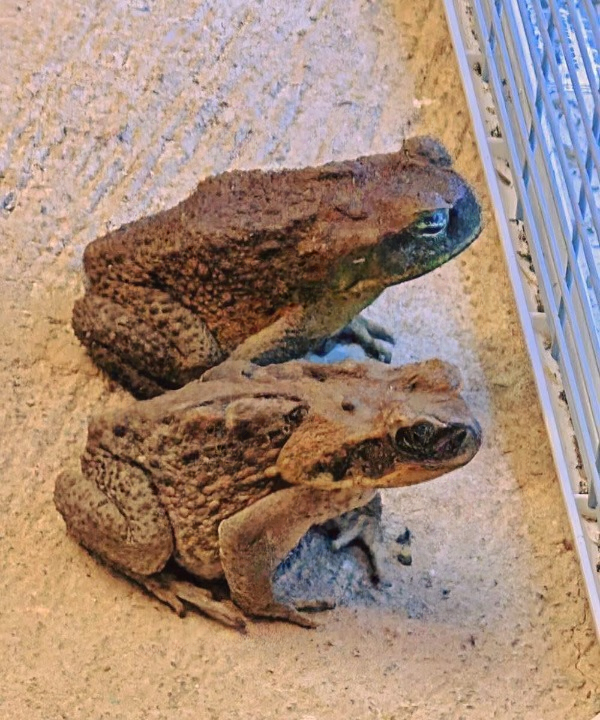
It’s not uncommon for people to notice a toad appearing in their yard, garden, or even close to their home. While some might see it as a random encounter, the presence of these amphibians actually signals something important about the environment you’ve created. Toads are highly sensitive creatures that respond to subtle cues in their surroundings, and their appearance often reflects a balanced ecosystem, moist conditions, and a plentiful supply of insects.
Understanding why toads show up, what their presence means, and how to create a welcoming environment for them can transform your yard into a thriving, natural habitat.
Why Toads Choose Your Garden
Toads are selective about where they settle. They actively seek out areas with:
- Moist soil: Essential for skin hydration and overall health.
- Sheltered corners: Protection from predators like birds, snakes, and small mammals.
- Abundant food sources: A steady supply of insects, such as flies, mosquitoes, beetles, and caterpillars.
Your garden may naturally offer these conditions without you realizing it. Shaded spots, potted plants, leaf litter, and small water sources create an ideal microhabitat for toads. Their presence is often a positive indicator of ecological balance, signaling that your outdoor space is conducive to biodiversity.
Toads as Natural Pest Controllers
One of the most practical benefits of having toads in your yard is their appetite for insects. Toads consume:
- Mosquitoes
- Flies
- Beetles
- Slugs
- Caterpillars
- Spiders
By feeding on these pests, toads reduce the need for chemical sprays, helping maintain a healthier, pesticide-free garden. Unlike other insect control methods, toads work silently and efficiently, particularly during the night when nocturnal insects are most active.
Ideal Toad Habitats
Toads prefer environments that mimic their natural habitats:
- Shaded areas: Dense shrubs, low-lying ground cover, and pots shield them from harsh sunlight.
- Moist conditions: Soil must remain damp for skin hydration and survival.
- Safe hiding spots: Logs, rocks, and leaf piles provide shelter from predators and extreme weather.
- Water availability: Even small puddles, birdbaths, or garden ponds attract toads, especially during mating season.
Providing mulch, leaf litter, and natural debris enhances these conditions, creating micro-ecosystems that not only attract toads but also support other beneficial wildlife.
Toad Behavior and Daily Activity
Toads are mostly nocturnal, emerging at dusk to hunt insects. During the day, they remain hidden to avoid predators and prevent dehydration. Observing them at night reveals their role in maintaining ecological balance while contributing to garden health.
Their slow, deliberate movements, combined with careful hunting, help regulate insect populations without disturbing plants or soil structure. Over time, their nocturnal activity creates a natural pest management cycle, complementing daytime efforts by birds and other insectivores.
Toads and Soil Health
Beyond insect control, toads also contribute indirectly to soil vitality:
- Aeration: Their movement through leaf litter and soil surfaces gently disturbs the ground, promoting airflow.
- Nutrient cycling: By foraging and interacting with decomposing plant material, they help recycle nutrients for plants.
- Soil enrichment: Toads’ presence encourages populations of insects and microorganisms that further enhance soil health.
These subtle effects demonstrate how amphibians, even small ones like toads, play critical roles in backyard ecosystems.
Toads as Indicators of Environmental Health
Toads are sensitive to environmental changes, including:
- Pesticide use
- Herbicide exposure
- Soil quality and moisture levels
- Habitat disruption
Their continued presence in a yard indicates a relatively chemical-free, healthy environment conducive to biodiversity. Conversely, a sudden disappearance of toads can signal ecological stress, providing gardeners with early warnings about environmental health.
Encouraging Toads in Your Garden
Creating a toad-friendly garden doesn’t require extensive effort. Some effective strategies include:
- Shaded areas: Dense planting or strategically placed pots retain moisture and provide cover.
- Leaf litter and mulch: These retain humidity, attract insects, and provide shelter.
- Shallow water sources: Birdbaths, small ponds, or temporary puddles support hydration and breeding.
- Chemical-free practices: Avoid pesticides and herbicides to ensure a safe habitat.
- Rock or log piles: Offer hiding places and daytime refuges.
By implementing these simple steps, gardeners can attract and sustain toads while also supporting other beneficial wildlife, from insects to small mammals.
Breeding and Population Growth
Toads reproduce in water, laying eggs in ponds, puddles, or other temporary water sources. Providing even small amounts of standing water can encourage breeding, helping maintain local amphibian populations.
Their offspring — eggs and tadpoles — contribute to a diverse ecosystem by supporting aquatic food webs. Over time, these populations grow, creating a sustainable environment that balances insects, amphibians, and plant health.
Toads in Urban and Suburban Environments
While toads are traditionally associated with natural habitats, many have adapted well to urban and suburban settings. Gardens, parks, and even small yards can offer sufficient resources for them to thrive:
- Adaptive behavior: Toads tolerate drier conditions temporarily but still seek shaded, moist areas.
- Predator deterrence: Their mild skin toxins discourage many birds, snakes, and small mammals.
- Longevity: With proper conditions, toads can live up to a decade, contributing to long-term ecosystem stability.
Their adaptability highlights the potential for suburban gardens to serve as important refuges for wildlife.
Educational and Aesthetic Benefits
Observing toads can be educational, especially for children or amateur naturalists. They demonstrate:
- Predator-prey dynamics
- Importance of biodiversity
- The role of small creatures in maintaining ecological balance
Additionally, watching toads feed, move through leaf litter, and interact with the environment can be calming and rewarding. Their gentle movements and nocturnal calls connect humans to natural rhythms and seasonal cycles.
Toads and Sustainable Gardening
Welcoming toads into your garden aligns with broader environmental goals:
- Biodiversity support: Toads help maintain insect and small animal populations naturally.
- Reduced pesticide use: Their predation reduces reliance on chemical pest control.
- Soil enrichment: Foraging encourages nutrient cycling and soil health.
- Environmental education: Observing wildlife fosters appreciation for ecosystems and conservation.
By creating conditions for toads, gardeners actively promote sustainable, low-impact gardening practices.
Interaction With Other Wildlife
Toads are part of a complex food web. Their presence interacts with:
- Birds (daytime insect predators)
- Small mammals (predators or competitors)
- Insects and invertebrates (their primary food source)
This interconnectedness strengthens local ecosystems, allowing gardens to function as miniature models of natural habitats.
Caring for Toads Without Disruption
Toads are largely solitary and low-maintenance. They do not require feeding, and their natural diet helps maintain pest populations. Homeowners can support them by:
- Avoiding chemicals
- Maintaining shaded, moist areas
- Providing water sources
- Allowing natural debris like logs and leaf litter to remain undisturbed
These small efforts ensure that toads thrive without human interference while benefiting garden health.
Observing Toads Mindfully
Spending time watching toads can promote mindfulness. Their deliberate movements, patient hunting, and subtle interactions encourage gardeners to slow down, appreciate natural cycles, and observe ecological processes in real time.
Toads’ presence also highlights the importance of conservation. Protecting small habitats like garden corners, ponds, or shaded areas can have ripple effects on local biodiversity, helping maintain balanced ecosystems even in urbanized areas.
Toads and Pest Control
The value of toads as natural pest controllers cannot be overstated. They consume pests that damage plants and crops while largely leaving pollinators alone. Over time, their feeding habits reduce the need for harmful chemicals, supporting healthier, more productive gardens.
Their nocturnal activity complements daytime pest control by birds and other wildlife, providing a 24-hour natural defense system. This continuous, sustainable approach to pest management illustrates the practical advantages of sharing outdoor spaces with amphibians.
The Emotional and Spiritual Connection
Many gardeners find that observing wildlife fosters emotional and spiritual well-being. Toads’ calm movements and gentle croaks provide a sense of connection to nature, offering solace and grounding in a world that often feels disconnected from the environment.
Their seasonal appearances also remind us of cycles of life, growth, and renewal, reinforcing the importance of patience, observation, and respect for natural processes.
Conclusion: Welcoming Toads Into Your Life
A toad’s presence in your yard or garden is far more than a simple encounter with wildlife. It is a sign of ecological health, natural pest control, and a thriving habitat for diverse organisms. By providing shaded areas, moist soil, water sources, and chemical-free practices, gardeners can encourage toads to take up residence, benefiting both the ecosystem and their own outdoor spaces.
These small amphibians quietly maintain balance, promote soil vitality, reduce pests, and offer educational, aesthetic, and emotional value. Toads remind us that even the smallest creatures contribute meaningfully to the environment and that thoughtful gardening can create habitats where humans and wildlife coexist harmoniously.
Welcoming toads into your garden is an act of sustainability, mindfulness, and respect for the natural world — an investment in biodiversity and ecological balance that pays dividends year after year.