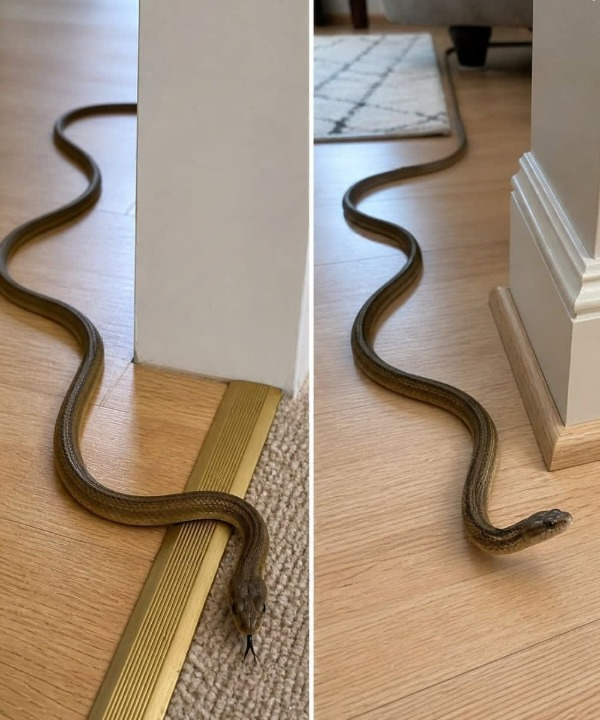
Finding a snake inside your home can be one of the most unexpected and unsettling experiences a homeowner faces. Whether it appears in a garage, basement, kitchen, or backyard storage area, the sight of a snake indoors often creates immediate fear and confusion.
Many people wonder: Why would a snake come inside? Does it mean there is a bigger problem? Is it dangerous?
In most cases, a snake entering a house is not a sign of aggression or an attempt to harm people. Snakes usually move into human spaces because they are searching for basic survival needs, such as food, shelter, warmth, or protection from extreme weather.
Understanding why snakes enter homes and how to react can help reduce panic and prevent future encounters.
Why Do Snakes Come Inside Houses?
Snakes are naturally curious animals that explore their surroundings while searching for places where they can survive.
Unlike some pests that intentionally invade homes, snakes typically enter accidentally or because the environment offers something they need.
Searching for Food
One of the most common reasons snakes approach homes is the presence of prey.
Many snake species feed on small animals such as mice and other rodents. If a property has a rodent problem, it may unintentionally attract snakes looking for an easy food source.
Garages, sheds, barns, and basements can become appealing because they often provide both hiding places and potential meals.
Reducing rodent activity around your home is one of the best ways to make the area less attractive to snakes.
Looking for Shelter
Snakes prefer quiet, protected areas where they can hide from predators and extreme temperatures.
A house may provide many places that feel safe, including:
- Storage boxes
- Wood piles
- Crawl spaces
- Basements
- Gaps beneath furniture
- Areas with limited human activity
Cluttered spaces can create ideal hiding locations, especially if they are rarely disturbed.
Seeking Warmth or Cooler Areas
Like many reptiles, snakes depend on their environment to regulate body temperature.
During colder months, they may search for warmer spaces.
During extremely hot weather, they may look for cooler and shaded areas.
A home can accidentally provide both depending on the season.
Weather Changes Can Push Snakes Indoors
Heavy rain, flooding, storms, and changes in habitat can force snakes away from their normal hiding places.
When natural shelters become uncomfortable or unsafe, they may move toward buildings, garages, or other structures in search of dry ground.
In these situations, the snake may simply be trying to escape difficult conditions rather than intentionally entering a home.
Are All House Snakes Dangerous?
Many people immediately assume that any snake found indoors is dangerous.
However, a large number of snake species are harmless to humans.
Some snakes even provide benefits by helping control populations of rodents and insects.
That said, it is important not to assume a snake is harmless simply because it appears small or calm.
Identifying snake species can be difficult, especially for someone without wildlife experience.
Colors and patterns can sometimes be misleading, and some harmless species may resemble more dangerous ones.
The safest approach is to treat any unfamiliar snake with caution.
What Should You Do If You Find a Snake Inside?
The most important thing is to stay calm.
A frightened snake is more likely to defend itself if it feels threatened.
Follow these steps:
1. Keep Your Distance
Do not attempt to touch, pick up, or move the snake.
Even experienced wildlife handlers use caution when dealing with unknown species.
2. Keep Children and Pets Away
Curious pets or children may accidentally approach the snake and create a dangerous situation.
Move everyone to another room if possible.
3. Give the Snake an Escape Route
If it can be done safely, open a nearby exterior door and allow the snake a possible exit.
Do not try to force it toward the opening.
4. Contact Wildlife Professionals
Local animal control services, wildlife rescue organizations, or trained professionals can safely remove and relocate snakes.
They have the equipment and experience needed to handle the situation without unnecessary risk.
How to Prevent Snakes From Entering Your Home
Prevention is often the best solution.
A few simple maintenance steps can reduce the chance of snakes finding their way inside.
Seal Entry Points
Inspect your home for openings such as:
- Gaps under doors
- Cracks in foundations
- Openings around pipes
- Damaged vents
- Spaces around windows
Even small openings can sometimes provide access.
Reduce Clutter Around Your Property
Remove unnecessary piles of:
- Wood
- Leaves
- Yard debris
- Unused materials
These areas can provide hiding places for snakes and the animals they hunt.
Control Rodent Problems
Since rodents can attract snakes, keeping their population under control is an important part of prevention.
Store food properly, secure trash containers, and address signs of rodents early.
Maintain Your Yard
Keeping grass trimmed and removing unnecessary hiding spots can make your property less appealing to wildlife.
A tidy yard gives snakes fewer places to hide.
Cultural Beliefs About Snakes in Homes
Throughout history, snakes have carried many symbolic meanings in different cultures.
Some traditions view snakes as symbols of transformation, renewal, protection, or wisdom.
Others associate them with warnings or change.
These interpretations vary widely depending on cultural beliefs and personal perspectives.
From a practical standpoint, however, a snake entering your home usually has a simple explanation: it is looking for food, shelter, or a safer environment.
Respecting Wildlife While Protecting Your Home
Snakes are an important part of many ecosystems.
They help maintain natural balance by controlling populations of certain animals and contributing to biodiversity.
The goal when encountering a snake is not to harm it but to safely manage the situation.
With the right knowledge and precautions, homeowners can protect their families while also respecting wildlife.
Final Thoughts
A snake inside your home can certainly be frightening, but understanding the reasons behind the encounter can make the situation easier to handle.
Most snakes enter houses because they are searching for basic necessities, not because they are looking for conflict.
By staying calm, avoiding risky actions, contacting professionals when needed, and taking preventive measures, you can reduce future encounters and create a safer environment for both your family and local wildlife.
Sometimes a surprising visitor is simply a reminder that humans and nature share the same spaces—and learning how to coexist can make those moments far less stressful.