Shingles, medically known as herpes zoster, is one of those conditions that many people have heard of, yet few truly understand until it affects them or someone close to them. It often appears suddenly, without an obvious cause, and can leave people confused not only by the symptoms but also by the way it behaves in the body.
At first glance, it may seem like a simple skin rash or irritation. But shingles is not a surface-level condition. It is a neurological reaction rooted deep within the body, tied to a virus that many people carry for life without even realizing it.
To understand shingles, it is necessary to go back to its origin: the varicella-zoster virus. This is the same virus responsible for chickenpox, a common childhood illness that most people recover from and then forget. However, what is less widely known is that recovery does not mean the virus is gone.
Instead, it remains in the body.
After chickenpox resolves, the virus retreats into the nervous system, where it can stay dormant for decades. In most cases, it remains inactive and causes no issues at all. The immune system keeps it under control, preventing it from reemerging. But under certain conditions, that balance can shift.
When the virus reactivates, it returns not as chickenpox, but as shingles.
This reactivation is usually linked to changes in the immune system. Aging is one of the most common factors, which is why shingles is more frequently seen in adults over 50. However, age is not the only trigger. Stress, illness, certain medications, immune-suppressing treatments, or periods of intense physical or emotional strain can all weaken the body’s defenses enough to allow the virus to reappear.
One of the most important—and often misunderstood—characteristics of shingles is that it rarely begins with visible symptoms.
Instead, it often starts quietly.
Many people first experience unusual sensations in a specific area of the body: burning, tingling, sensitivity, or deep localized pain. These early signs can easily be mistaken for muscle strain, nerve irritation, or even minor injury. Because there is nothing visible on the skin at this stage, the condition is often overlooked.
But this early phase is crucial.
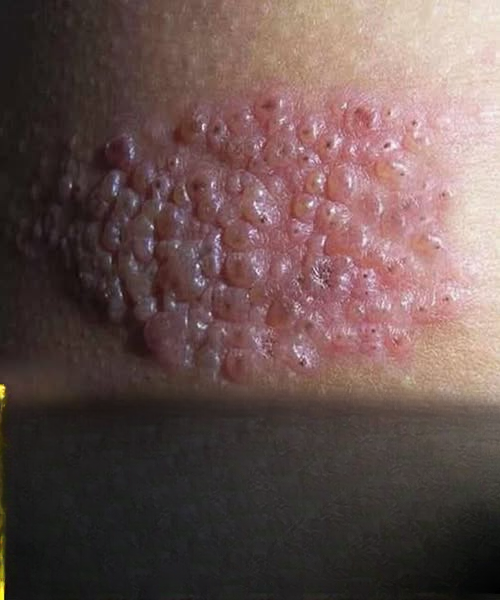
Within a few days, a rash typically appears in the same area where the discomfort began. Unlike many skin conditions, shingles does not spread randomly across the body. It follows a very specific pattern: a single nerve pathway. This is why the rash often appears on only one side of the body, forming a band-like distribution.
As the rash develops, small fluid-filled blisters may form, eventually crusting over as the condition progresses. While the skin symptoms are visually noticeable, many patients report that the most difficult part is not the rash itself, but the pain associated with it.
Shingles pain can be severe, sharp, and persistent. In some cases, it is described as burning or stabbing sensations that continue even with minimal touch or pressure. This nerve-related pain is what makes shingles particularly disruptive to daily life.
With timely medical treatment, especially antiviral medications started within the first 72 hours of symptom onset, the severity and duration of the illness can often be reduced. Early intervention may also lower the risk of complications, which is why recognizing early symptoms is so important.
However, when treatment is delayed, some individuals develop a long-term complication known as postherpetic neuralgia. This condition involves persistent nerve pain that can last for months or even years after the rash has healed. It is one of the most challenging aspects of shingles because it affects not only physical comfort but also emotional well-being, sleep quality, and overall quality of life.
People living with this condition often describe it as a constant, lingering discomfort that can range from mild irritation to severe, debilitating pain. For this reason, healthcare professionals consistently emphasize the importance of early recognition and prompt treatment.
Another common question is whether shingles is contagious. The answer requires careful explanation. A person with shingles cannot directly transmit shingles to another individual. However, the virus itself can be passed on through contact with the fluid from blisters. If someone who has never had chickenpox—or has not been vaccinated—comes into contact with the virus, they may develop chickenpox instead.
This is why medical guidance often includes precautions during the active phase of the illness, particularly around vulnerable individuals such as pregnant women, newborns, and people with weakened immune systems.
In recent years, prevention has become a major focus in public health. Vaccines are now available that significantly reduce the risk of developing shingles, and in cases where it does occur, they may help reduce its severity. These vaccines are especially recommended for older adults and individuals with higher risk factors.
Beyond medical treatment and prevention, shingles also highlights a broader truth about human health: the body often communicates long before serious symptoms fully develop. Subtle signals—fatigue, unusual nerve sensations, changes in immune resilience—can sometimes precede more visible illness.
Understanding these signals does not mean living in fear. Rather, it means becoming more aware of how interconnected the body’s systems are, and how important it is to respond early rather than ignore discomfort until it becomes severe.
Ultimately, shingles is not a mysterious or rare disease. It is well-documented, medically understood, and treatable. But it remains underestimated by many people until they experience it firsthand.
And in that sense, it serves as a reminder that some of the most painful conditions in life do not arrive suddenly without warning—they often begin quietly, long before we recognize their name.