Introduction: The Small Details That Make a Big Difference
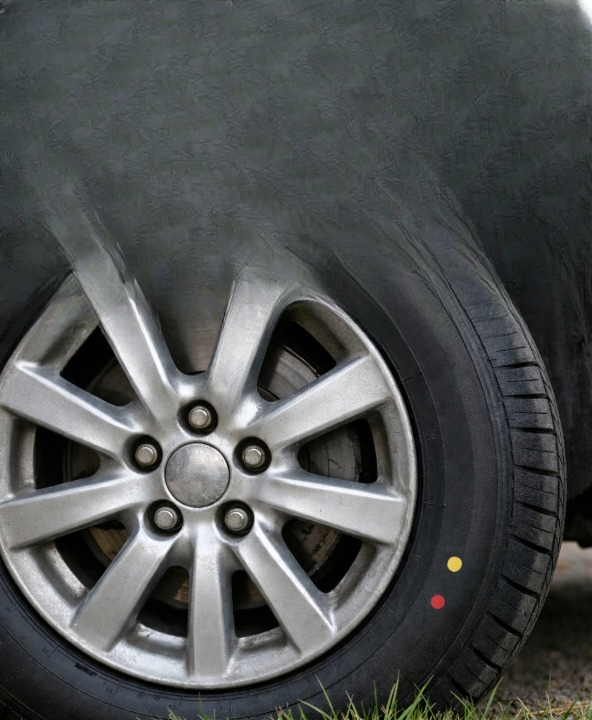
Have you ever taken a closer look at your car’s tires and noticed small colored dots—usually red or yellow—on the sidewall? At first glance, they may seem like random markings or manufacturing leftovers. However, these tiny details actually play an important role in how your vehicle performs on the road.
Many drivers overlook these markings entirely, assuming they have little to no importance. In reality, they are part of a precise system used by manufacturers and technicians to ensure proper tire installation and balance. When used correctly, these indicators can improve ride comfort, reduce wear, and contribute to overall vehicle stability.
In this comprehensive guide, we will explain everything you need to know about these colored dots in a clear, safe, and easy-to-understand way. Whether you are a new driver or someone looking to better understand vehicle maintenance, this article will help you make informed decisions and take better care of your tires.
Understanding Tire Markings: More Than Just Decoration
Modern tires are engineered with precision. Every component, from the rubber compounds to the internal structure, is designed to perform efficiently under various conditions. During manufacturing, slight variations can occur, and the colored dots help compensate for these small differences.
The two most common markings you will see are:
- Yellow dots
- Red dots
Each of these serves a specific purpose, and understanding them can help ensure your tires are installed correctly.
Yellow Dots Explained: Identifying the Lightest Point
The yellow dot on a tire indicates its lightest point. This may sound like a minor detail, but it plays a crucial role in balancing the tire once it is mounted on a wheel.
Why the Lightest Point Matters
Every wheel has a slightly heavier area, usually around the valve stem—the part where you inflate the tire. By aligning the lightest part of the tire (marked by the yellow dot) with the heaviest part of the wheel, technicians can create a more balanced setup.
This alignment helps:
- Reduce the amount of additional weight needed for balancing
- Improve ride smoothness
- Minimize vibrations while driving
Proper Placement of the Yellow Dot
When installing a tire, the yellow dot should typically be positioned next to the valve stem. This creates a natural balance between the tire and the wheel, making the overall system more efficient.
Red Dots Explained: Highlighting the Flattest Area
While the yellow dot focuses on weight, the red dot represents a different factor—the flattest or most uniform point of the tire.
What Does “Flattest Point” Mean?
No tire is perfectly round. Even with advanced manufacturing techniques, there are slight variations in shape. The red dot marks the point where the tire is closest to being perfectly round.
How the Red Dot Is Used
Wheels also have a high point, which is the area where the rim is slightly less uniform. This point is often marked by a small notch or colored indicator.
To achieve optimal performance:
- The red dot should be aligned with the wheel’s highest point
This helps create a more consistent rotation and reduces irregular movement.
When Both Dots Are Present: Which One Matters More?
Some tires include both red and yellow dots, which can create confusion.
In most cases:
- The red dot takes priority if the wheel has a marked high point
- If no high point is marked on the wheel, the yellow dot is used
Professional technicians are trained to determine the correct alignment based on the specific wheel and tire combination.
Why Proper Tire Balancing Is Important
Balancing is a key part of tire installation and maintenance. When a tire is properly balanced, it rotates evenly without causing unnecessary strain on the vehicle.
Benefits of Balanced Tires
1. Smoother Driving Experience
Balanced tires reduce vibrations, making your ride more comfortable.
2. Even Tire Wear
Proper balance ensures that tires wear evenly, extending their lifespan.
3. Better Fuel Efficiency
Less resistance means the engine doesn’t have to work as hard.
4. Improved Vehicle Control
Balanced tires contribute to better handling and stability.
What Happens When Tires Are Not Balanced?
Ignoring tire balance can lead to several issues over time. While these problems may start small, they can become more noticeable if not addressed.
Common Signs of Imbalance
- Vibrations in the steering wheel
- Uneven tire wear
- Reduced driving comfort
- Increased noise while driving
If you notice any of these signs, it may be time to have your tires checked.
Factors That Affect Tire Balance Over Time
Even if your tires were perfectly balanced when installed, several factors can cause them to lose balance.
1. Regular Use
Daily driving naturally wears down tires, which can gradually change their balance.
2. Road Conditions
Driving over potholes, bumps, or uneven surfaces can affect alignment and balance.
3. Weight Distribution
Carrying heavy loads or uneven cargo can impact how weight is distributed across the tires.
4. Tire Damage
Punctures or structural issues can lead to imbalance.
5. Installation Errors
Incorrect mounting can prevent proper alignment of the colored dots.
The Role of Professional Tire Installation
While it is helpful to understand how tire markings work, proper installation is best handled by professionals.
Technicians use specialized equipment to:
- Mount tires correctly
- Align dots accurately
- Add balancing weights if needed
This ensures your tires perform as intended and helps avoid potential issues.
How Often Should Tires Be Balanced?
Regular maintenance is key to keeping your vehicle running smoothly.
Recommended Situations for Balancing
- When installing new tires
- After hitting a pothole or curb
- If you notice vibrations
- During routine maintenance checks
Balancing your tires periodically helps maintain optimal performance.
Tire Maintenance Tips for Everyday Drivers
Taking care of your tires does not have to be complicated. A few simple habits can make a big difference.
Check Tire Pressure Regularly
Proper inflation helps maintain balance and extends tire life.
Rotate Tires Periodically
Rotating tires ensures even wear across all wheels.
Inspect for Damage
Look for signs of wear, cracks, or punctures.
Keep Wheels Clean
Dirt and debris can affect balance over time.
Common Misconceptions About Tire Dots
There are several myths surrounding the colored dots on tires. Let’s clear up a few of them.
Myth 1: They Are Just Decorative
In reality, they serve a precise engineering purpose.
Myth 2: They Don’t Matter After Installation
Proper alignment during installation has long-term effects.
Myth 3: All Tires Use Them the Same Way
Different manufacturers may use slightly different systems.
How Tire Technology Has Evolved
Over the years, tire manufacturing has become more advanced. Modern techniques allow for greater precision, but small variations still exist.
Colored dots remain a simple and effective way to address these variations without adding complexity to the installation process.
Why These Details Matter for Safety
While colored dots may seem minor, they contribute to overall driving safety.
Balanced tires help:
- Maintain consistent contact with the road
- Improve braking performance
- Enhance vehicle stability
These factors are especially important during long drives or challenging road conditions.
Environmental and Cost Benefits
Proper tire maintenance is not only good for your vehicle—it also benefits your wallet and the environment.
Reduced Tire Replacement
Even wear means you won’t need to replace tires as often.
Better Fuel Efficiency
Efficient tires reduce fuel consumption.
Less Waste
Longer-lasting tires contribute to less environmental waste.
Final Thoughts: Small Markings, Big Impact
The next time you notice red or yellow dots on your tires, you will know they are more than just random markings. They are part of a carefully designed system that helps ensure your vehicle performs safely and efficiently.
By understanding their purpose, you can:
- Make informed decisions during tire installation
- Recognize the importance of proper balancing
- Maintain your vehicle more effectively
In the end, these small details contribute to a smoother, safer, and more enjoyable driving experience.