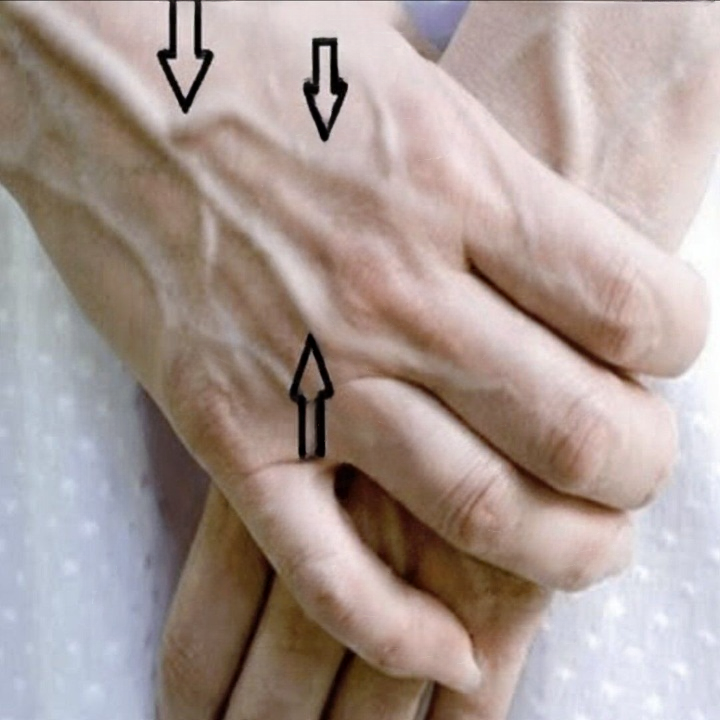
Noticing visible veins on areas such as the hands, arms, or legs is something many people experience at some point. For some, it may raise questions or concerns—especially if the appearance seems more noticeable than before.
In most situations, visible veins are completely normal. They are often influenced by natural body characteristics, daily habits, and environmental conditions rather than any underlying issue. The human body is complex, and variations in appearance—such as how veins show through the skin—are usually part of that natural diversity.
By understanding the reasons behind visible veins, it becomes easier to interpret these changes calmly and realistically.
Why Veins Can Be Seen More Easily
Veins play an essential role in the circulatory system. Their function is to carry blood back to the heart after oxygen has been delivered throughout the body.
Unlike arteries, which are located deeper and have thicker walls, veins are often positioned closer to the surface of the skin. Because of this, they can sometimes become visible depending on several influencing factors.
The appearance of veins is not constant—it can change throughout the day or over time. Some of the main elements that affect how visible veins appear include:
- The thickness of the skin
- The amount of fat beneath the skin
- Muscle development
- Blood flow and circulation
- Hydration status
- Environmental temperature
- Genetic traits
These factors interact in different ways for each individual, which explains why vein visibility varies from person to person.
Common Reasons for More Noticeable Veins
1. Lower Levels of Body Fat
One of the most common explanations for visible veins is a lower amount of fat beneath the skin. This layer of fat acts as a natural cushion that can make veins less noticeable.
When body fat is lower, veins may appear closer to the surface, especially in areas like the arms, hands, and legs.
This is often seen in:
- Naturally lean individuals
- People who follow active lifestyles
- Those engaged in regular physical training
It’s important to note that this is a normal physical variation and not inherently a concern.
2. Physical Activity and Exercise
Exercise has a noticeable effect on how veins appear. During physical activity, muscles require more oxygen, which increases blood flow to those areas.
As a result:
- Veins may temporarily expand
- Blood vessels become more prominent
- The skin may appear tighter over the muscles
Over time, consistent exercise can lead to increased muscle tone, which can also contribute to veins becoming more visible.
This effect is commonly observed in individuals who participate in strength training, endurance sports, or other regular fitness routines.
3. Genetic Factors
Genetics play a significant role in determining many physical traits, including vein visibility.
Some people naturally have:
- Thinner skin
- Veins positioned closer to the surface
- A body structure that makes veins more noticeable
If visible veins run in your family, it is likely just a normal inherited characteristic.
4. Temperature Changes
Environmental temperature can temporarily influence how veins appear.
In warmer conditions:
- Blood vessels expand (a process called vasodilation)
- This helps the body release heat
- Veins may become more visible as a result
In cooler conditions:
- Blood vessels constrict to conserve heat
- Veins may appear less prominent
These changes are part of the body’s natural temperature regulation system and are usually short-term.
5. Hydration Levels
Hydration affects many aspects of the body, including circulation and skin appearance.
When properly hydrated:
- Blood volume is maintained
- Skin may appear smoother and more elastic
When dehydrated:
- Blood flow dynamics can change
- Veins may appear more pronounced in some cases
Maintaining consistent hydration supports overall bodily function and may influence how veins are perceived visually.
6. Natural Changes With Age
As the body ages, the skin gradually becomes thinner and may lose some of its elasticity.
These changes can make underlying structures, including veins, more visible over time.
This process is natural and occurs regardless of lifestyle in many cases. It does not necessarily indicate any health concern.
Are Visible Veins Linked to Health?
In most cases, visible veins are not a sign of a problem. They are often simply a reflection of body composition, activity level, or natural physical traits.
For example:
- Athletes may have more noticeable veins due to muscle tone and lower body fat
- Lean individuals may see veins more clearly because there is less tissue covering them
However, it’s important to understand that vein visibility alone is not a reliable indicator of overall health. It should be considered alongside other factors such as how you feel physically and whether any additional symptoms are present.
When It May Be Worth Paying Attention
Although visible veins are usually harmless, there are certain situations where it may be helpful to seek medical advice.
You may consider consulting a healthcare professional if you notice:
- Sudden or unexplained changes in vein appearance
- Pain or discomfort in the area
- Swelling, particularly in the legs or arms
- Warmth or tenderness near a vein
- Changes in skin color around the veins
These signs do not automatically indicate a serious issue, but they are worth evaluating to rule out any underlying concerns.
Lifestyle Factors That Influence Vein Appearance
Regular Movement
Staying physically active supports healthy circulation. Movement helps blood flow efficiently throughout the body, which can influence how veins function and appear.
Balanced Nutrition
A well-rounded diet that includes essential nutrients supports both skin and blood vessel health.
Nutrients commonly associated with overall vascular support include:
- Vitamins such as C and E
- Healthy fats
- Antioxidant-rich foods
Hydration Habits
Drinking enough water throughout the day helps maintain proper circulation and supports overall body balance.
Avoiding Long Periods of Inactivity
Remaining in one position for extended periods—such as sitting or standing—can affect circulation.
Taking breaks to move around can help maintain steady blood flow and overall comfort.
A Broader Perspective on Visible Veins
Instead of viewing visible veins as unusual, it may be helpful to recognize them as a normal aspect of human anatomy.
They often reflect:
- Natural body structure
- Daily habits and activity levels
- Environmental influences
- The natural aging process
Each person’s body responds differently to these factors, which is why appearance can vary so widely.
Final Thoughts
Visible veins are a common and generally harmless feature influenced by a range of everyday factors, including body composition, physical activity, hydration, and genetics.
In most cases, they do not indicate any underlying issue and are simply part of the body’s natural variation.
Understanding the reasons behind these changes can help reduce unnecessary concern and provide reassurance.
If visible veins are accompanied by unusual symptoms or changes, seeking medical advice is always a sensible step. Otherwise, they are typically just another example of how the body reflects individual lifestyle and biology.