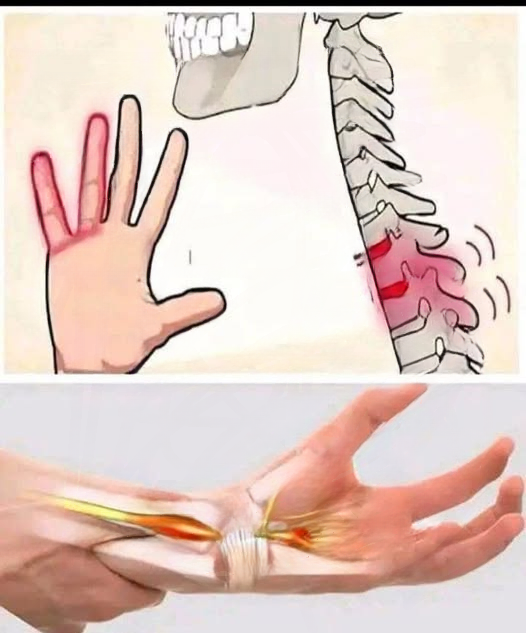
Waking up with a numb or tingling hand is a common experience that can be unsettling. It’s often described as a sensation of “pins and needles,” and it may leave your hand feeling heavy, unresponsive, or strangely tingling. While this feeling usually disappears quickly and isn’t cause for concern, it can sometimes be an indication that something requires attention.
This sensation is medically known as paresthesia, a condition that occurs when the normal communication between your nerves and brain is temporarily disrupted. While it typically resolves on its own, understanding why this happens can help you prevent it and recognize when it might be more than just an inconvenience.
The Mechanism Behind Numb Hands: What’s Really Happening?
When your hand “falls asleep,” it’s not actually falling asleep in the conventional sense. Instead, your nerves momentarily stop transmitting signals properly. Your body relies on an intricate system of nerves to send messages—such as touch, temperature, and movement—between your brain and your limbs.
This disruption often occurs when a nerve is compressed, such as when you remain in the same position for an extended period while you sleep. For example, if you sleep on your arm or bend your wrist in an awkward way, pressure can build on the nerve pathways, blocking the signals. When you change positions, relieving that pressure, the signals begin flowing again. As they “restart,” you may experience tingling or a buzzing sensation, which is simply your nervous system returning to its normal function.
The Role of Blood Flow in Numbness
Nerves rely on healthy blood flow to function properly. Blood vessels supply oxygen and nutrients that support nerve activity. When pressure is applied to a part of your body, such as when you lie on your arm, blood circulation may be restricted. This lack of circulation reduces the support your nerves need, causing them to become less responsive. Once you move and restore proper circulation, blood rushes back into the area, and the tingling sensation you feel is the blood and nerve activity returning to normal.
Common Causes of Nighttime Numbness
In many cases, experiencing numb hands at night is due to habits or positions during sleep. These include:
- Lying with your arm under your head or body
- Bending your wrist or hand in an awkward position
- Staying in one position for too long
- Using an unsupportive pillow that strains your neck
These simple, everyday habits can lead to temporary nerve compression, but they are usually easy to correct by adjusting your sleeping posture or positioning.
When Nighttime Numbness Is a Cause for Concern
While an occasional instance of numbness is generally harmless, persistent or frequent numbness may indicate an underlying issue that requires medical attention.
Some common medical conditions linked to numb hands include:
- Carpal Tunnel Syndrome: This condition occurs when the median nerve in your wrist is compressed, often from repetitive activities like typing. People with carpal tunnel syndrome may experience numbness and tingling, especially at night.
- Diabetic Neuropathy: In people with diabetes, high blood sugar levels can damage nerves, often leading to numbness or tingling in the hands and feet.
- Multiple Sclerosis (MS): This neurological condition can cause nerve damage that leads to unusual sensations, including numbness or tingling.
- Spinal Issues: Compressed nerves in the neck or spine can cause symptoms that radiate into the hands, resulting in sensations of numbness or tingling.
Warning Signs: When to Seek Medical Help
While isolated instances of numbness are usually not serious, certain patterns should not be ignored. If you experience any of the following, it’s advisable to consult a healthcare provider:
- Numbness that occurs regularly, especially every night
- Persistent tingling that lasts after you wake up
- Weakness in your hands or difficulty gripping objects
- Pain accompanying the numbness
- Numbness that affects both hands at the same time
These signs could point to an underlying issue that may require treatment. Early intervention is key to preventing more severe health complications.
How Daily Activities Affect Nighttime Symptoms
The activities you engage in throughout the day can have a direct impact on your hands at night. Repetitive tasks such as typing, texting, or using a mouse can place significant stress on the nerves in your wrists and hands, contributing to the likelihood of nerve compression.
Additionally, poor posture during the day can contribute to nighttime symptoms. Slouching, hunching over, or leaning forward for extended periods can affect the alignment of your spine, which in turn may put pressure on the nerves traveling down to your hands.
Tips to Reduce Nighttime Numbness
Making small adjustments to your habits can help prevent or reduce numbness in your hands at night. Consider these practical strategies:
- Adjust Your Sleeping Position: Avoid lying directly on your arms. If you sleep on your side, use a pillow to support your arm and maintain a neutral position.
- Keep Your Wrists Straight: Avoid bending your wrists excessively during sleep. Keeping them in a natural, straight position reduces pressure on the nerves.
- Use Proper Pillow Support: Ensure your pillow supports your neck and head adequately to keep your spine aligned and reduce nerve strain.
- Take Regular Breaks During the Day: If you spend long periods at a desk, take short breaks to stretch and move your wrists and hands. Regular movement prevents the buildup of tension and pressure.
- Wear Comfortable Clothing: Avoid tight sleeves, watches, or other accessories that may restrict circulation. Opt for looser-fitting clothes to promote better blood flow.
The Importance of Regular Movement
The human body is designed for movement. Staying in one position for too long—whether during the day or at night—can lead to nerve compression and stiffness. Even simple changes, like adjusting your posture or taking a few moments to stretch, can help maintain healthy nerve function and circulation.
Normal vs. Concerning Numbness: Knowing the Difference
Occasional numbness, especially if it only happens when you sleep in an uncomfortable position, is generally harmless. This is a protective response from your body, encouraging you to change position and restore proper circulation. However, if the numbness becomes frequent or persists for an extended period, it may be a signal that something more serious is at play.
By paying attention to your body’s signals and identifying patterns of numbness, you can better determine whether it’s time to seek medical advice.
Supporting Your Nerve Health: A Holistic Approach
Maintaining healthy nerves requires more than just proper sleeping habits. A balanced lifestyle plays a significant role in supporting nerve function:
- Stay hydrated: Proper hydration helps maintain blood flow and nerve function.
- Eat a nutrient-rich diet: A balanced diet with vitamins and minerals supports overall nerve health.
- Stay physically active: Regular exercise promotes blood circulation and reduces the risk of nerve compression.
- Manage stress: Chronic stress can affect muscle and nerve function, so find ways to relax and reduce tension.
Together, these habits support your body’s natural processes and reduce the likelihood of recurring numbness or other nerve-related issues.
Conclusion
Waking up with numb hands may feel uncomfortable, but it is typically a temporary and manageable condition. Most of the time, it results from simple factors like poor posture or pressure on a nerve. With small changes to your daily routine, sleep posture, and lifestyle, you can significantly reduce the chances of experiencing nighttime numbness.
However, if the symptoms become frequent or worsen over time, it’s important to seek professional advice. Early intervention can address potential underlying conditions and help protect your long-term health. Taking care of your body—both during the day and at night—can ensure that your hands remain comfortable, responsive, and healthy for years to come.