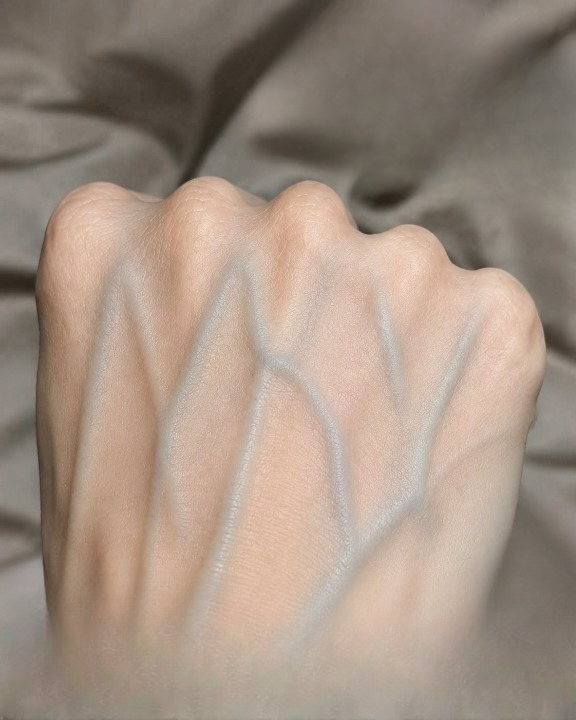
Many people notice that the veins on their hands, arms, legs, or other parts of the body become more visible over time. For some, this change happens gradually with age, while others may observe it after exercise, weight loss, or changes in temperature. Although visible veins can sometimes raise questions about health, they are often a normal part of how the body functions and do not necessarily indicate a medical problem.
Understanding the factors that contribute to visible veins can help people feel more informed about changes they observe in their bodies. In most cases, vein visibility is influenced by natural physical characteristics, lifestyle factors, and normal variations between individuals.
Veins are an essential part of the circulatory system. Their primary role is to carry blood back to the heart after oxygen and nutrients have been delivered throughout the body. Because veins are located at different depths beneath the skin, some are naturally more noticeable than others. Factors such as skin thickness, body composition, genetics, and age can all affect how visible veins appear.
One of the most common reasons veins become more noticeable is the natural aging process. As people get older, the skin gradually becomes thinner and may lose some of its elasticity. In addition, the layer of fat beneath the skin can decrease over time. These normal age-related changes may make veins easier to see, particularly on the hands and forearms.
Genetics also play a significant role. Some individuals naturally have more visible veins due to inherited characteristics such as skin tone, skin thickness, or vein placement. In these cases, prominent veins may simply be a normal physical trait shared among family members.
Physical activity can temporarily increase vein visibility as well. During exercise, muscles require increased blood flow to support movement and energy production. As circulation increases, veins may expand slightly, making them more noticeable. This effect is often temporary and may become less apparent after the body returns to a resting state.
Temperature changes can produce similar effects. Warm weather, hot showers, or time spent in heated environments can cause blood vessels to dilate, making veins appear larger and more visible. Conversely, cooler temperatures may cause veins to become less noticeable as blood vessels constrict.
Body composition is another factor that influences vein appearance. Individuals with lower levels of body fat may notice veins more easily because there is less tissue covering the blood vessels beneath the skin. This is particularly common among athletes, fitness enthusiasts, and individuals who have experienced significant weight loss.
Hydration levels may also affect how veins appear. Temporary changes in fluid balance can alter circulation and the appearance of blood vessels. Maintaining adequate hydration is an important part of overall health and may help support normal circulatory function.
For many people, visible veins are simply a cosmetic concern rather than a medical issue. However, understanding the difference between normal vein visibility and symptoms that may require medical attention is important. While visible veins alone are often harmless, certain accompanying changes should not be ignored.
For example, discomfort, persistent swelling, unusual tenderness, significant redness, or sudden changes in the appearance of veins may warrant evaluation by a healthcare professional. These symptoms can have various causes and should be assessed by a qualified medical provider who can determine whether further investigation is necessary.
Varicose veins are another condition that may affect some individuals. These enlarged veins most commonly appear in the legs and may develop when vein valves become less efficient at helping blood return to the heart. While many cases are primarily cosmetic, some individuals may experience symptoms such as aching, heaviness, or discomfort. Healthcare professionals can provide guidance regarding management options when needed.
Maintaining a healthy lifestyle can support overall circulatory health. Regular physical activity, balanced nutrition, adequate hydration, and avoiding prolonged periods of inactivity are commonly recommended practices that contribute to general well-being. These habits may also help support healthy blood flow and vascular function.
For individuals who spend long periods sitting or standing, periodic movement can be beneficial. Simple activities such as walking, stretching, or changing positions throughout the day may help encourage circulation and reduce feelings of leg fatigue.
Protecting skin health can also play a role in how veins appear over time. Because skin naturally changes with age, maintaining good skincare habits and protecting the skin from excessive sun exposure may help support overall skin quality and appearance.
It is important to remember that every person’s body is unique. Vein visibility can vary considerably between individuals and may change throughout different stages of life. What is normal for one person may look different for another. Comparing appearance to others is often less useful than understanding what is typical for your own body.
Access to health information online has made it easier for people to learn about physical changes they experience. However, online content should not replace professional medical advice. When concerns arise about circulation, vein appearance, or any other health-related issue, consulting a qualified healthcare provider remains the most reliable approach.
In many cases, visible veins are simply a reflection of normal anatomy, genetics, lifestyle factors, or natural aging. They often become more noticeable under certain conditions and may fluctuate in appearance over time. Understanding these influences can help reduce unnecessary worry and promote a more informed perspective on body changes.
Ultimately, awareness and observation are valuable. Paying attention to significant or unusual changes while recognizing normal variations can help individuals make informed decisions about their health. Most visible veins are a normal part of human anatomy and do not indicate a serious problem. When questions or concerns arise, professional medical guidance can provide clarity and reassurance based on individual circumstances.