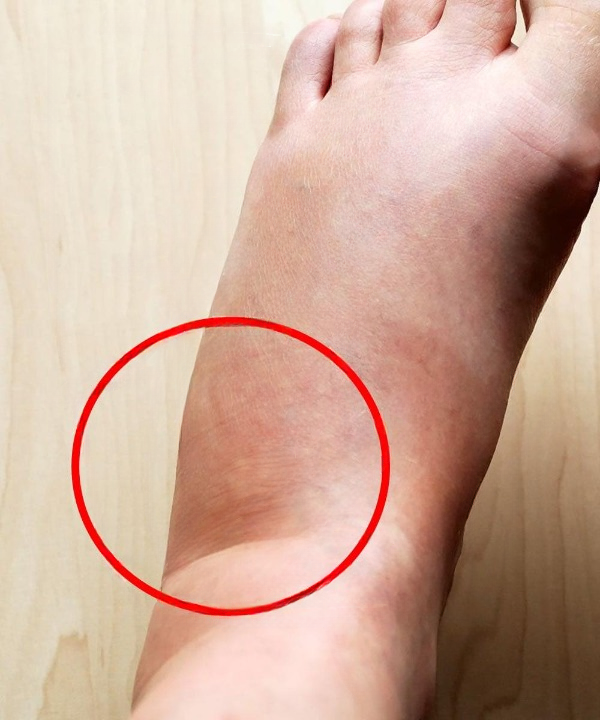
Swelling in the feet is a common experience that many people encounter at some point in their lives. While it may sometimes seem concerning, it is often linked to everyday factors such as prolonged standing, diet, or temporary changes in the body. In medical terms, this condition is known as Edema, which refers to the buildup of fluid in tissues.
Although mild swelling is usually harmless, understanding its causes and knowing how to manage it can help improve comfort and overall well-being. In some cases, it may also signal the need for medical attention, especially if symptoms persist or worsen.
This article provides a comprehensive overview of why swelling occurs, how to recognize different signs, when to seek help, and natural ways to support healthy circulation.
What Swollen Feet May Look and Feel Like
Swelling in the feet can present itself in several noticeable ways. For many individuals, the first sign is a feeling of tightness or discomfort, particularly after a long day.
Common observations include:
- Feet appearing larger than usual
- Shoes feeling tighter or uncomfortable
- Skin that looks stretched or slightly shiny
- A sensation of heaviness or pressure
In some cases, pressing gently on the swollen area may leave a temporary indentation. This is often referred to as “pitting,” a feature commonly associated with fluid retention.
The severity of these symptoms can vary. Some people experience mild puffiness that resolves overnight, while others may notice more persistent swelling.
Common Everyday Causes of Foot Swelling
There are several non-serious reasons why swelling may occur. These are often related to lifestyle, environment, or temporary physical changes.
Prolonged Sitting or Standing
Remaining in one position for extended periods can slow circulation. This may cause fluid to accumulate in the lower extremities, particularly the feet and ankles.
For example:
- Sitting during long travel
- Standing for extended work shifts
- Limited movement throughout the day
Simple movement and position changes can often help reduce this type of swelling.
Warm Weather Conditions
Higher temperatures can cause blood vessels to expand. This natural response may lead to increased fluid retention in the feet and ankles.
While this type of swelling is usually temporary, staying hydrated and avoiding prolonged heat exposure can help manage it.
Dietary Factors
Diet also plays an important role in fluid balance. Consuming high amounts of salt can cause the body to retain water, which may contribute to swelling.
Reducing sodium intake and maintaining a balanced diet can help support normal fluid regulation.
Hormonal Changes
Hormonal shifts, including those that occur during pregnancy, can affect circulation and fluid retention. These changes may lead to temporary swelling in the feet.
In most cases, this type of swelling is expected and resolves over time. However, it should still be monitored to ensure there are no additional concerns.
When Swelling May Indicate a Medical Concern
While many cases of swelling are harmless, there are situations where it may signal an underlying issue. Recognizing these signs is important for timely evaluation.
Seek Medical Advice If You Notice:
- Sudden or unexplained swelling
- Swelling in only one foot or leg
- Pain, redness, or warmth in the affected area
- Swelling accompanied by breathing discomfort
These symptoms may be associated with conditions affecting circulation or organ function. Consulting a healthcare professional ensures proper diagnosis and care.
Conditions Sometimes Linked to Swelling
Persistent swelling can sometimes be associated with broader health concerns. These may include:
- Circulatory challenges
- Kidney function issues
- Liver-related conditions
- Cardiovascular concerns
Additionally, certain medications may contribute to fluid retention as a side effect.
It is important to note that swelling alone does not confirm any specific condition. A proper medical evaluation is necessary to determine the cause.
Natural Approaches to Support Comfort
For mild swelling, natural and supportive approaches may help improve comfort. These methods focus on promoting circulation and reducing fluid buildup.
While they are not a replacement for medical care, they can complement a healthy lifestyle.
Medicinal Herbs Traditionally Used for Support
Various herbs have been used in traditional wellness practices to support circulation and reduce mild swelling. Below are some commonly referenced options.
Ginkgo biloba
Ginkgo is often associated with supporting blood flow. It may help improve circulation, which can contribute to reduced swelling.
Calendula
Calendula is known for its soothing properties. It is commonly used in topical preparations or warm soaks to help relax tissues.
Butcher’s broom
This herb is traditionally used to support vein health and circulation. It is often found in creams or supplements.
Chamomile
Chamomile is valued for its calming effects. A warm soak using chamomile infusion may provide both relaxation and mild relief.
Ginger
Ginger is known for its warming properties. It can be consumed as tea or used in topical applications to encourage circulation.
Witch hazel
Often used as a topical astringent, witch hazel may help reduce puffiness when applied as a cool compress.
Horse chestnut
Horse chestnut is commonly used in products aimed at supporting vein function and reducing fluid retention.
Dandelion
Dandelion is traditionally known for its natural diuretic properties, which may support the body in managing excess fluid.
Rosemary
Rosemary may help stimulate circulation and is often used in massage oils or herbal infusions.
Turmeric
Turmeric contains compounds associated with supporting the body’s natural response to inflammation.
A Simple Herbal Foot Soak
One gentle way to support comfort is through a warm herbal soak.
Ingredients
- 1 tablespoon dried dandelion root
- 1 cup hot water
- Optional: lemon or honey for added aroma
Preparation
- Pour hot water over the dried dandelion root
- Cover and allow it to steep for about 10–15 minutes
- Strain the liquid
How to Use
- Allow the infusion to cool to a comfortable temperature
- Pour it into a basin large enough for your feet
- Soak your feet for 15–20 minutes
- Dry gently afterward
This method can be used occasionally as part of a relaxation routine.
Lifestyle Habits That Can Help
In addition to natural remedies, simple daily habits can play a significant role in reducing swelling.
Elevate Your Feet
Raising your feet above heart level for short periods can help improve circulation and reduce fluid buildup.
Stay Physically Active
Regular movement encourages healthy blood flow. Even light activities such as walking can make a difference.
Wear Comfortable Footwear
Shoes that fit well and provide proper support can help prevent unnecessary pressure on the feet.
Maintain a Balanced Diet
Reducing excess salt and staying hydrated can support the body’s natural fluid balance.
Take Breaks During Long Periods of Sitting or Standing
Changing positions regularly helps prevent fluid from accumulating in the lower body.
The Importance of Balance
While natural remedies and lifestyle adjustments can be helpful, they are most effective when combined with awareness and moderation.
It is important to:
- Avoid relying solely on home remedies for persistent symptoms
- Monitor changes in swelling patterns
- Seek professional advice when needed
This balanced approach ensures both comfort and safety.
When to Seek Professional Guidance
If swelling becomes frequent, severe, or unexplained, consulting a healthcare provider is essential. Early evaluation can help identify any underlying issues and guide appropriate care.
Medical professionals may recommend:
- Physical examinations
- Diagnostic tests
- Treatment plans tailored to individual needs
Taking action early can help prevent complications and provide peace of mind.
Final Thoughts
Swollen feet are a common experience that can result from a variety of everyday factors. In many cases, simple adjustments—such as staying active, maintaining a balanced diet, and using supportive techniques—can help reduce discomfort.
At the same time, it is important to remain attentive to your body. Persistent or unusual symptoms should never be ignored, as they may require professional evaluation.
By combining awareness, healthy habits, and appropriate care, individuals can manage swelling effectively and maintain overall well-being.