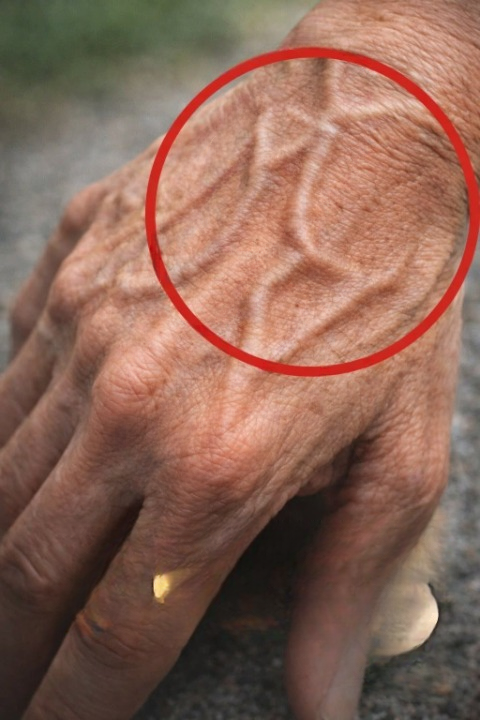
Many people notice their veins becoming more prominent at some point in their lives. Sometimes this happens gradually over years, while other times it seems to occur suddenly, prompting concern. In most cases, bulging veins are harmless and result from normal physiological changes. However, they can occasionally indicate an underlying medical condition that deserves attention.
Understanding why veins become more visible and knowing when to seek professional advice can help distinguish between a cosmetic issue and a potential health concern.
Why Veins Become More Visible
Veins are responsible for carrying blood back to the heart. Unlike arteries, veins rely on one-way valves and muscle contractions to keep blood moving efficiently against gravity.
Several everyday factors can cause veins to appear larger or more noticeable:
Exercise: During physical activity, muscles require increased blood flow. Veins may temporarily expand to accommodate this demand, making them more visible, especially in the arms, hands, and legs.
Hot weather: Heat causes blood vessels to dilate, allowing the body to release excess heat. As a result, veins may become more prominent during warm temperatures.
Aging: As people age, skin naturally becomes thinner and loses some elasticity. Fat beneath the skin also decreases, making underlying veins easier to see.
Low body fat: Individuals with lower body fat percentages often have more visible veins because there is less tissue covering them.
Genetics: Some people simply inherit vein structures that are naturally more noticeable.
Tight clothing: Restrictive garments can affect circulation and sometimes contribute to temporary vein prominence.
What Are Varicose Veins?
One of the most common causes of persistent bulging veins is varicose veins.
Varicose veins develop when the valves inside veins weaken or become damaged. Normally, these valves prevent blood from flowing backward. When they stop functioning properly, blood can pool within the vein, causing it to enlarge, twist, and bulge.
Although varicose veins most commonly occur in the legs because they must work against gravity, they can also develop in other areas of the body.
Common symptoms include:
- Enlarged, twisted veins visible beneath the skin
- Aching or heavy legs
- Throbbing or burning sensations
- Swelling in the lower legs or ankles
- Itching around affected veins
- Leg fatigue after prolonged standing
Risk Factors for Varicose Veins
Several factors increase the likelihood of developing varicose veins:
Family history: Genetics play a significant role. If close relatives have varicose veins, your risk may be higher.
Age: Vein valves naturally weaken over time.
Pregnancy: Hormonal changes and increased blood volume can place extra pressure on veins.
Obesity: Excess body weight increases pressure on the circulatory system.
Smoking: Smoking can damage blood vessels and impair circulation.
Prolonged sitting or standing: Remaining in one position for extended periods can make it more difficult for blood to return efficiently to the heart.
Hormonal influences: Certain hormonal changes may affect vein health and circulation.
When Bulging Veins May Signal a Problem
Most visible veins are not dangerous. However, certain symptoms should prompt medical evaluation.
Seek medical attention if you notice:
- Sudden swelling in one leg
- Significant pain or tenderness
- Redness or warmth over a vein
- Skin discoloration around the affected area
- Bleeding from a vein
- Open sores or wounds near the ankles
- Rapidly worsening swelling
These symptoms may indicate complications such as inflammation, infection, poor circulation, or blood clots.
Possible Complications
While many people live with varicose veins without major issues, untreated vein disease can sometimes lead to complications.
Venous ulcers: Poor circulation can cause slow-healing wounds, typically near the ankles. These ulcers may be painful and require medical treatment.
Chronic swelling: Ongoing fluid accumulation in the legs can lead to discomfort and skin changes.
Blood clots: Certain vein conditions may increase the risk of clot formation. A clot that travels to the lungs can become a medical emergency.
Although these complications are relatively uncommon, they highlight the importance of monitoring symptoms and seeking medical advice when concerns arise.
Treatment Options
Treatment depends on the severity of symptoms and the extent of vein damage.
Conservative approaches often include:
- Compression stockings
- Regular physical activity
- Leg elevation
- Weight management
- Avoiding prolonged sitting or standing
For more significant cases, medical procedures may be recommended, including:
- Sclerotherapy (injection treatment)
- Endovenous laser therapy
- Radiofrequency ablation
- Minimally invasive vein procedures
- Surgical vein removal in selected cases
A healthcare professional can determine which option is most appropriate based on individual circumstances.
Prevention and Healthy Habits
Although not all cases can be prevented, certain lifestyle choices can support healthy circulation:
- Exercise regularly
- Maintain a healthy weight
- Avoid smoking
- Take breaks from prolonged sitting or standing
- Elevate your legs when possible
- Wear comfortable, non-restrictive clothing
- Stay physically active throughout the day
The Bottom Line
Bulging veins are often a normal result of aging, exercise, heat, or genetics and usually do not indicate a serious problem. However, persistent varicose veins or veins accompanied by pain, swelling, discoloration, or skin changes should be evaluated by a healthcare professional.
Paying attention to new symptoms and maintaining healthy circulation habits can help protect vein health and reduce the risk of complications. If you’re unsure whether a visible vein is normal or concerning, consulting a doctor is the safest course of action.