Our feet support us every day. They carry our body weight, help us move, and allow us to maintain balance while walking, standing, and exercising. Despite how important they are, many people rarely pay attention to foot health until discomfort or visible changes appear.
One common situation that causes confusion is when a hard or thickened spot develops on the sole of the foot. Many individuals assume that such a spot must be a simple callus caused by pressure or friction. While this assumption is sometimes correct, it is not always the case.
In some situations, the hardened area may actually be a plantar wart, which is a skin condition caused by a virus. Although plantar warts can look similar to calluses at first glance, they are fundamentally different in terms of cause, symptoms, and treatment.
Misidentifying a plantar wart as a callus can lead to improper care and prolonged discomfort. Understanding the difference between the two conditions can help people take better care of their feet and seek appropriate advice when necessary.
In this article, we will explore what plantar warts are, how they differ from calluses, what causes them, how they are identified, and what steps can be taken to prevent them. Learning about these differences can help individuals make informed decisions about their foot health.
The Role of the Skin on the Feet
Before discussing plantar warts and calluses, it is helpful to understand how the skin on our feet works.
The skin on the soles of the feet is thicker than skin on most other parts of the body. This thickness helps protect the body from pressure, friction, and environmental exposure. Because the feet experience repeated contact with the ground, the skin naturally adapts to physical stress.
When the body senses repeated friction or pressure in a particular area, it may respond by producing thicker layers of skin as a protective measure. This natural response is what leads to the formation of calluses.
However, not all thickened areas of skin result from mechanical pressure. Some skin growths may be caused by infections or other dermatological conditions, which is why proper identification is important.
What Are Plantar Warts?
Plantar warts are small growths that appear on the soles of the feet. The term “plantar” refers specifically to the bottom surface of the foot.
These growths are caused by certain strains of the human papillomavirus, commonly abbreviated as HPV. When the virus enters the skin through tiny cuts or weakened areas, it can trigger abnormal growth of skin cells.
As the infected skin cells multiply, a wart may develop. On the sole of the foot, the pressure from standing and walking can push the wart inward, causing it to appear flatter than warts on other parts of the body.
Although plantar warts are generally not considered dangerous, they can sometimes cause discomfort, especially when they appear in areas that bear weight.
Because of their appearance and location, plantar warts are sometimes mistaken for calluses or other minor skin conditions.
What Are Calluses?
Calluses are thickened areas of skin that develop as a natural response to friction or repeated pressure.
They commonly appear on parts of the body that experience frequent rubbing or contact. On the feet, calluses often develop on the heels, the balls of the feet, or along the sides of the toes.
Unlike plantar warts, calluses are not caused by infections. Instead, they are simply areas where the skin has become thicker to protect underlying tissues.
Calluses usually develop gradually and may feel rough or slightly raised. In many cases, they do not cause pain unless the pressure becomes excessive.
Although they may appear similar to plantar warts, the underlying causes are entirely different.
Why Plantar Warts and Calluses Are Often Confused
At first glance, both plantar warts and calluses can appear as hard, thickened patches on the sole of the foot. Because of this visual similarity, many people assume that any hardened spot must be a callus.
Several factors contribute to this confusion.
First, both conditions may appear in areas that experience pressure during walking. Second, the skin surrounding the affected area may become thicker over time, making the surface look similar.
However, despite these similarities, the internal structure and cause of each condition are very different.
Understanding these differences can help individuals recognize when a skin change may require further attention.
Causes of Plantar Warts
The main cause of plantar warts is infection with the human papillomavirus (HPV). This virus can enter the body through small breaks in the skin, such as tiny cuts, scratches, or weakened areas.
These openings may be so small that they are barely noticeable.
Once the virus enters the skin, it can stimulate the growth of additional skin cells, leading to the formation of a wart.
HPV thrives in warm, moist environments, which means certain locations may increase the likelihood of exposure. Examples include swimming pools, locker rooms, communal showers, and gym facilities.
Walking barefoot in such environments may increase the risk of coming into contact with the virus.
It is important to note that not everyone exposed to HPV will develop a wart. The body’s immune system plays an important role in determining whether an infection occurs.
Factors That Increase the Risk
Several factors may increase the likelihood of developing plantar warts.
These include:
• Walking barefoot in public areas such as pools or locker rooms
• Having small cuts or cracks in the skin of the feet
• A weakened immune system
• Frequent exposure to warm and moist environments
Children and teenagers may also experience plantar warts more frequently than adults, although they can occur at any age.
How Plantar Warts Appear
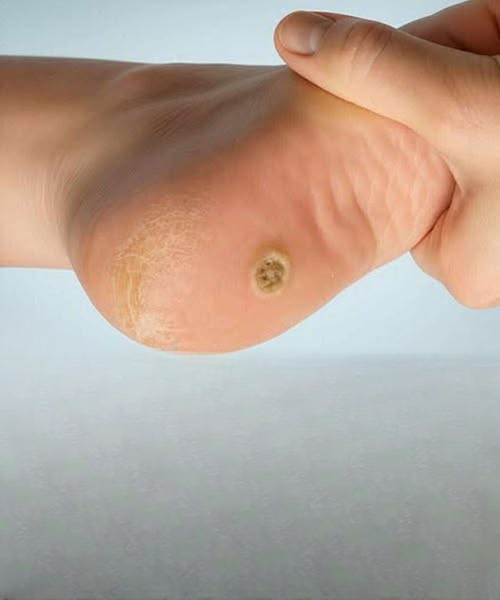
Plantar warts typically appear as small, rough growths on the sole of the foot. Because of the pressure placed on the foot while walking, the wart may grow inward instead of outward.
This can create the sensation of a small object beneath the skin, especially when standing or walking.
A distinctive feature of plantar warts is the presence of tiny dark dots within the affected area. These dots are small blood vessels that have clotted.
Calluses do not contain these dots, which can help distinguish between the two conditions.
The surface of a plantar wart may also appear grainy or irregular compared to the smoother surface of a callus.
Differences in Pain Sensation
Another way to differentiate plantar warts from calluses is by how discomfort is experienced.
Calluses typically cause discomfort when direct pressure is applied from above, such as when standing or wearing tight shoes.
Plantar warts, on the other hand, may cause discomfort when pressure is applied from the sides of the lesion. This can create a sensation that feels deeper within the foot.
Because plantar warts grow inward, they can sometimes produce the feeling of stepping on a small pebble.
The Importance of Proper Identification
Correctly identifying the condition affecting the foot is important for effective care.
Treating a plantar wart as if it were a callus may not address the underlying viral cause. In some cases, improper handling of the area may cause irritation or allow the virus to spread.
For example, aggressive scraping or cutting of the lesion may damage the surrounding skin and increase the risk of infection.
Seeking advice from a healthcare professional can help ensure that the condition is properly evaluated and managed.
Possible Treatment Approaches
Treatment options for plantar warts vary depending on the size, location, and persistence of the wart.
In many cases, healthcare providers may recommend treatments designed to remove the affected tissue or help the body eliminate the virus.
Possible approaches may include topical treatments, specialized medical procedures, or other methods recommended by professionals.
Because each situation is unique, a qualified healthcare provider can determine the most appropriate course of action.
Preventive Steps for Foot Health
While it may not always be possible to prevent plantar warts entirely, certain habits can reduce the risk of infection.
These include:
• Wearing sandals or protective footwear in communal showers or locker rooms
• Keeping feet clean and dry
• Avoiding sharing towels, shoes, or personal foot care tools
• Covering small cuts or cracks in the skin
Maintaining good foot hygiene can help protect the skin from infections and other conditions.
Everyday Foot Care Tips
Healthy feet require consistent care.
Some helpful practices include:
• Washing feet daily with soap and water
• Drying thoroughly, especially between the toes
• Wearing properly fitting shoes
• Changing socks regularly
These simple habits can support overall foot health and reduce the likelihood of skin problems.
When to Seek Professional Advice
If a growth on the foot becomes painful, changes in appearance, or does not improve with basic care, it may be helpful to consult a healthcare professional.
Medical experts can evaluate the condition and recommend appropriate treatments or preventive measures.
Early evaluation may also prevent minor issues from becoming more uncomfortable over time.
Why Foot Awareness Matters
Our feet are essential to everyday movement, yet they often receive less attention than other parts of the body.
By paying attention to changes in the skin and addressing issues early, individuals can maintain comfort and mobility.
Understanding the difference between common conditions like calluses and plantar warts is an important step toward better foot care.
Conclusion: Recognizing the Difference
Although plantar warts and calluses may appear similar at first, they are very different conditions.
Calluses are a natural response to friction and pressure, while plantar warts result from a viral infection affecting the skin.
Because their causes and treatments differ, correctly identifying the condition is important.
By practicing good hygiene, protecting the feet in shared environments, and seeking professional advice when necessary, individuals can reduce the risk of complications and maintain healthy feet.
Taking small steps toward foot care can make a big difference in overall comfort and well-being.