Introduction
Since the emergence of COVID-19, the global conversation around public health has continued to evolve. One of the most important aspects of this evolution has been the appearance of new variants of the virus over time. These variants are a natural part of how viruses behave, as they adapt and change through ongoing transmission.
From time to time, reports of newly identified variants can raise concerns among the public. Headlines may highlight differences in symptoms, transmissibility, or vaccine effectiveness, sometimes leading to confusion or uncertainty. However, understanding how variants work—and how health systems respond to them—can help put these developments into perspective.
This article provides a balanced and practical overview of emerging variants, how they are identified, what symptoms may look like, and what current guidance suggests for staying safe and informed. Rather than focusing on speculation, the goal is to present clear, evidence-based insights that support calm and informed decision-making.
How Viruses Change Over Time
Viruses, including the one responsible for COVID-19, naturally evolve. As they spread from person to person, small genetic changes—known as mutations—can occur.
Why Mutations Happen
Every time a virus replicates, there is a chance for slight variations in its genetic structure. Most of these changes have little to no impact. However, occasionally a mutation may influence:
- How easily the virus spreads
- How the immune system recognizes it
- The severity of symptoms
When a group of mutations becomes established, it may be classified as a new variant.
What Defines a Variant of Interest
Public health organizations monitor new versions of viruses closely. Not every mutation is considered significant, but some variants receive additional attention based on specific characteristics.
Factors That Are Evaluated
Health authorities typically assess:
- Transmission patterns
- Clinical outcomes (severity of illness)
- Effectiveness of existing vaccines and treatments
- Impact on diagnostic testing
Variants that show notable differences in these areas may be labeled as “variants of interest” or “variants under monitoring.”
Understanding Reports About New Variants
When a new variant is discussed in the media, it is important to approach the information carefully.
Common Points of Confusion
Some reports may emphasize:
- The number of mutations
- Geographic spread
- Potential immune system interaction
While these details are important for researchers, they do not always translate into increased risk for the general public.
Balanced Interpretation
A higher number of mutations does not automatically mean:
- Greater severity
- Reduced vaccine effectiveness
- Increased danger
Each variant must be studied over time to understand its real-world impact.
Symptoms: What Remains Consistent
One reassuring aspect of new variants is that the core symptoms of COVID-19 have remained relatively consistent across different versions of the virus.
Common Symptoms
Most individuals who become ill may experience:
- Cough
- Fever or elevated temperature
- Fatigue or low energy
- Sore throat
- Nasal congestion or runny nose
- Shortness of breath
- Temporary changes in taste or smell
These symptoms can vary in intensity and duration depending on the individual.
Mild vs. Severe Illness
Many cases remain mild, especially among individuals with some level of immunity. However, certain groups may still be at higher risk for more serious illness, including:
- Older adults
- Individuals with underlying health conditions
- Those with weakened immune systems
Testing and Detection
Diagnostic tools have continued to evolve alongside the virus.
Are Tests Still Effective?
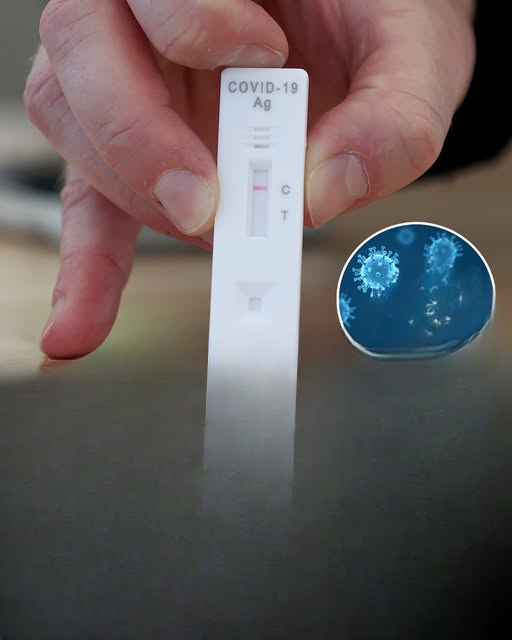
Standard testing methods, including rapid antigen tests and laboratory-based PCR tests, remain useful for detecting infection.
While minor variations in accuracy can occur with new variants, testing continues to play an important role in:
- Identifying cases
- Reducing spread
- Supporting timely care
Vaccines and Ongoing Protection
Vaccination remains one of the most important tools in managing COVID-19.
How Vaccines Work with Variants
Vaccines are designed to train the immune system to recognize and respond to the virus. Even when variants introduce changes, vaccines often continue to provide protection—particularly against severe outcomes.
What Protection Looks Like
Vaccination may:
- Reduce the risk of severe illness
- Lower the likelihood of hospitalization
- Decrease complications
It is important to note that no vaccine offers 100% prevention of infection. However, the primary goal is to reduce serious health impacts.
Practical Steps for Staying Safe
While the situation continues to evolve, there are simple and effective steps individuals can take to protect themselves and others.
Everyday Preventive Measures
- Wash hands regularly with soap and water
- Maintain good respiratory hygiene (covering coughs and sneezes)
- Stay home when feeling unwell
- Ensure adequate rest and hydration
Situational Awareness
In certain environments—such as crowded indoor spaces—additional precautions may be helpful, including:
- Wearing a mask if appropriate
- Improving ventilation
- Maintaining reasonable distance when possible
Staying Informed Without Overwhelm
One of the challenges during public health events is managing the flow of information.
Choosing Reliable Sources
To stay accurately informed:
- Refer to official health organizations
- Avoid relying solely on social media
- Check for updates from trusted medical professionals
Avoiding Information Overload
Constant exposure to news can increase anxiety. Setting boundaries around how often you check updates can help maintain a balanced perspective.
The Role of Public Health Systems
Healthcare systems around the world have adapted significantly since the early stages of the pandemic.
Improvements Over Time
- Better treatment protocols
- Increased testing capacity
- Ongoing vaccine development
- Enhanced surveillance of variants
These advancements contribute to a more prepared and responsive approach.
Living with Ongoing Change
It is likely that COVID-19 will continue to evolve over time, similar to other respiratory illnesses.
What This Means for the Future
- Periodic updates to vaccines may occur
- Seasonal patterns may develop
- Public health recommendations may adjust as needed
Adapting to these changes is part of maintaining long-term health and safety.
Addressing Common Concerns
Are new variants more dangerous?
Not necessarily. Each variant must be studied individually, and many do not lead to more severe illness.
Do vaccines still work?
Yes, vaccines continue to provide important protection, especially against severe outcomes.
Should I be worried?
Awareness is helpful, but excessive worry is not necessary. Following basic health guidance is usually sufficient.
Supporting Community Health
Individual actions can have a broader impact on community well-being.
Simple Ways to Contribute
- Stay home when sick
- Encourage others to follow health guidelines
- Share accurate information
These steps help protect vulnerable populations and reduce overall transmission.
A Balanced Perspective
It is natural to feel concerned when hearing about new developments related to public health. However, it is equally important to maintain a balanced and informed perspective.
Key Takeaways
- Variants are a normal part of viral evolution
- Most symptoms remain consistent
- Vaccines continue to provide strong protection
- Practical precautions remain effective
Final Thoughts
The ongoing story of COVID-19 is one of adaptation—not only of the virus itself but also of global health systems and individual behaviors.
While new variants may continue to emerge, the tools available to manage them have improved significantly. With a combination of awareness, responsible habits, and reliable information, individuals can navigate these developments with confidence.
Staying informed does not mean becoming overwhelmed. Instead, it means understanding the situation, making thoughtful choices, and focusing on what can be controlled.
Looking Ahead
As research continues and public health strategies evolve, the focus remains on maintaining safety while supporting normal daily life.
By combining scientific knowledge with practical action, societies can continue to move forward—adapting to change while prioritizing health and well-being.