Introduction
A stroke is often imagined as a sudden and dramatic medical emergency. In many cases, it does appear that way—an individual may suddenly lose the ability to speak clearly, experience weakness on one side of the body, or collapse without warning. However, medical research and clinical experience show that not all strokes begin without signals. In some situations, the body may provide subtle and temporary warning signs in the hours, days, or even weeks leading up to a major stroke event.
These early signs are not always obvious. They may appear briefly, disappear, and then return later. Because of this temporary nature, many people misunderstand or ignore them, attributing them to stress, fatigue, dehydration, lack of sleep, anxiety, or general illness.
This misunderstanding is one of the reasons stroke remains a leading cause of long-term disability worldwide.
The purpose of this article is to provide a clear, educational explanation of possible early warning signs of stroke, how symptoms may differ between individuals, what risk factors contribute to stroke development, and why immediate medical attention is always essential when neurological symptoms appear.
What Happens During a Stroke?
A stroke occurs when blood flow to a part of the brain is disrupted. This interruption prevents brain tissue from receiving oxygen and nutrients, which are essential for survival. Without oxygen, brain cells begin to die within minutes.
There are two main types of stroke:
1. Ischemic Stroke
This is the most common type. It happens when a blood clot blocks a blood vessel in the brain, reducing or stopping blood flow.
2. Hemorrhagic Stroke
This occurs when a blood vessel in the brain ruptures, causing bleeding into surrounding tissue and damaging brain cells.
Both types are medical emergencies requiring immediate treatment. The faster blood flow is restored or bleeding is controlled, the better the chance of survival and recovery.
Temporary Warning Events: What Are “Mini-Strokes”?
Some individuals experience temporary neurological symptoms before a major stroke. These episodes are medically known as transient ischemic attacks (TIAs).
A TIA occurs when blood flow to the brain is temporarily interrupted and then restored. Because the blockage resolves quickly, symptoms may disappear within minutes or hours.
However, a TIA should never be ignored.
Although symptoms are temporary, a TIA is often a serious warning sign that a full stroke may occur in the future. For some individuals, a major stroke can follow within a short time after a TIA.
Think of a TIA as an early signal that the brain’s blood supply is unstable and at risk.
Early Neurological Symptoms That Should Not Be Ignored
Early warning signs of a possible stroke or TIA may be subtle and vary widely from person to person. They may include the following:
Sudden Dizziness or Loss of Balance
Some individuals may suddenly feel unsteady, dizzy, or unable to coordinate movement. This may happen while standing, walking, or even sitting still. It may feel like the room is spinning or like the body cannot properly maintain balance.
Although dizziness is common and often harmless, sudden and unexplained balance issues—especially when combined with other symptoms—should be taken seriously.
Brief Speech Difficulties
Speech changes are one of the most recognizable signs of a stroke. However, early symptoms may be mild and temporary. A person might suddenly:
- Struggle to find the right words
- Speak in a slightly slurred or unclear way
- Feel unable to form coherent sentences
- Experience confusion while speaking
Even if these symptoms last only a few seconds or minutes, they should not be ignored.
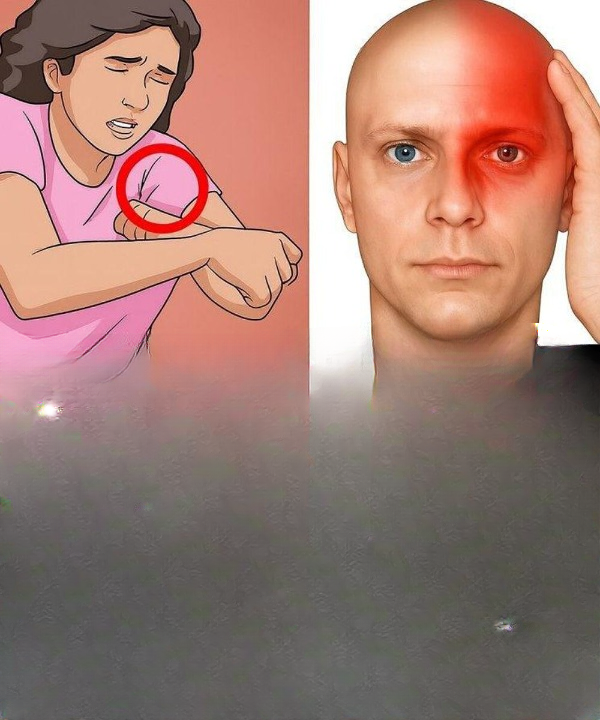
Temporary Numbness or Weakness
Some individuals may experience sudden weakness or numbness, often on one side of the body. This can affect:
- The face
- An arm
- A leg
- Or an entire side of the body
It may feel like tingling, heaviness, or loss of control. Even if the sensation disappears quickly, it may still indicate a serious underlying issue.
Sudden Confusion or Cognitive Fog
A person may suddenly feel mentally unclear, disoriented, or unable to follow conversations. They might:
- Struggle to understand simple instructions
- Forget what they were doing
- Feel detached from their surroundings
- Experience difficulty concentrating
These episodes may be brief but should not be dismissed if they are unusual for the individual.
Vision Disturbances
Some people may experience sudden changes in vision, including:
- Blurred vision
- Double vision
- Partial loss of vision in one eye
- Difficulty focusing
Vision symptoms may come and go quickly, but they are important neurological warning signs.
Unusual or Severe Headache
A sudden, intense headache that feels different from usual headaches may be a warning sign. This is especially concerning if it:
- Appears suddenly without explanation
- Feels extremely severe
- Is accompanied by other neurological symptoms
- Is unlike any previous headache experienced
Headache alone is not always a sign of stroke, but in combination with other symptoms, it requires urgent attention.
Why Early Symptoms Are Often Ignored
One of the biggest challenges in stroke prevention is recognition. Many early symptoms are mild, temporary, or easily explained by everyday life circumstances.
People often assume:
- “I’m just tired.”
- “I haven’t eaten properly.”
- “I’m stressed.”
- “I need more sleep.”
- “It will pass on its own.”
Because symptoms may disappear quickly, individuals may feel reassured and avoid seeking medical attention. Unfortunately, this delay can be dangerous.
Differences in Stroke Symptoms Between Individuals
Stroke symptoms do not always appear the same in every person. While there are common patterns, individual experiences can vary widely depending on brain region affected, overall health, age, and other medical conditions.
Classic Stroke Symptoms
The most widely recognized signs include:
- Weakness or drooping on one side of the face
- Weakness in one arm or leg
- Slurred or unclear speech
These symptoms are part of a simple emergency recognition tool known as FAST.
The FAST Stroke Recognition Method
FAST is a widely used method to help identify stroke symptoms quickly:
F — Face
Ask the person to smile. Does one side of the face droop?
A — Arms
Ask them to raise both arms. Does one arm drift downward?
S — Speech
Ask them to repeat a simple sentence. Is speech slurred or strange?
T — Time
If any of these signs are present, it is time to seek emergency medical help immediately.
Even if symptoms disappear, emergency evaluation is still necessary.
Stroke Symptoms That May Be Overlooked
Not all stroke symptoms are obvious. Some are subtle and may be mistaken for less serious conditions.
These include:
- Mild confusion
- Temporary memory problems
- Slight coordination issues
- Brief visual disturbances
- Sudden fatigue that feels unusual
- Emotional changes or unusual irritability
Because these symptoms may not appear severe, they are sometimes ignored until a more serious event occurs.
Risk Factors That Increase Stroke Likelihood
Stroke risk builds over time and is influenced by both lifestyle and medical conditions. Common risk factors include:
High Blood Pressure
One of the leading causes of stroke. It damages blood vessels over time.
Diabetes
Affects blood vessels and increases the risk of clot formation.
High Cholesterol
Can lead to plaque buildup in arteries, restricting blood flow.
Smoking
Damages blood vessels and increases clot risk.
Obesity and Sedentary Lifestyle
Contribute to multiple cardiovascular risks.
Heart Conditions
Such as atrial fibrillation, which can cause blood clots.
Chronic Stress
Long-term stress may contribute to high blood pressure and inflammation.
Family History
Genetic factors may increase susceptibility.
Why Immediate Action Matters
During a stroke, time is critical. Brain cells begin to die within minutes of interrupted blood flow. The longer treatment is delayed, the greater the risk of permanent damage.
Rapid medical intervention can:
- Restore blood flow
- Reduce brain damage
- Improve recovery outcomes
- Save lives
Even when symptoms are temporary, they may indicate a high risk of a more serious stroke in the near future.
The Importance of Listening to the Body
The human body often provides warning signals when something is wrong. These signals may be subtle, temporary, or easy to dismiss, but they can still carry important meaning.
Neurological symptoms—especially those involving speech, movement, vision, or cognition—should always be taken seriously.
Ignoring them may lead to delayed treatment, while early action can significantly improve outcomes.
Common Reflections From Stroke Survivors
Many stroke survivors later report that they experienced early warning signs but did not recognize their importance at the time. Common reflections include:
- “I thought it was just fatigue.”
- “It went away quickly, so I ignored it.”
- “I didn’t think it was serious.”
- “I felt normal again afterward.”
These experiences highlight the importance of awareness and timely response.
Prevention and Risk Reduction
While not all strokes can be prevented, many risk factors can be managed through lifestyle changes and medical care:
- Maintaining healthy blood pressure
- Eating a balanced diet
- Exercising regularly
- Avoiding smoking
- Managing diabetes and cholesterol
- Reducing chronic stress
- Attending regular health check-ups
Prevention plays a major role in reducing stroke risk over time.
When to Seek Emergency Help
Seek immediate medical attention if any of the following occur:
- Sudden weakness or numbness
- Speech difficulty
- Facial drooping
- Vision loss or changes
- Severe unexplained headache
- Sudden confusion
- Loss of balance or coordination
Even if symptoms disappear quickly, emergency evaluation is still necessary.
Conclusion
Stroke is a serious medical condition that requires immediate attention. While some strokes occur suddenly without warning, others may be preceded by subtle and temporary symptoms.
These early signs may include dizziness, speech difficulties, numbness, vision changes, confusion, or unusual fatigue. Because they may be brief or mild, they are often ignored—but they can be important signals of underlying neurological issues.
Understanding these warning signs, recognizing risk factors, and acting quickly can significantly improve outcomes. Awareness is one of the most powerful tools in reducing the impact of stroke.
The key message is simple: when it comes to neurological symptoms, even temporary ones, it is always safer to seek medical evaluation than to wait.