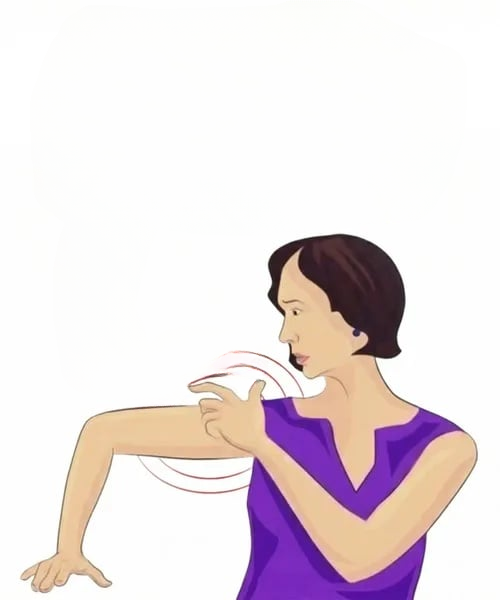
A transient ischemic attack (TIA), often called a “mini-stroke,” is a temporary disruption of blood flow to the brain. Although the symptoms may resolve within minutes or hours, it should never be treated as a harmless or isolated event. In medical terms, a TIA is a serious warning sign that the brain’s blood supply has been briefly interrupted, and it may indicate a significantly increased risk of a full stroke in the near future.
Unlike conditions that improve and fully resolve without consequence, a TIA is best understood as an urgent alert from the body. It signals that underlying vascular problems may already be developing, even if the symptoms disappear quickly.
What Happens During a TIA
A transient ischemic attack occurs when blood flow to part of the brain is temporarily reduced or blocked. This interruption deprives brain tissue of oxygen for a short period, leading to neurological symptoms.
Because the blockage is temporary, brain function often returns to normal. However, the underlying cause of the blockage may still be present, which is why medical evaluation is essential even after symptoms improve.
Common Early Warning Signs
The symptoms of a TIA can vary depending on which part of the brain is affected. Some of the most commonly reported warning signs include:
- Sudden weakness or numbness on one side of the body
- Difficulty speaking or understanding speech
- Temporary vision loss or blurred vision in one or both eyes
- Loss of balance or coordination
- Sudden dizziness or confusion
- Facial drooping on one side
These symptoms often appear suddenly and without warning. Even if they disappear quickly, they should be taken seriously.
Why a Mini-Stroke Should Never Be Ignored
One of the most concerning aspects of a TIA is that people often dismiss it once symptoms resolve. This can be dangerous because a transient ischemic attack is frequently a precursor to a more severe stroke.
A TIA does not cause permanent damage on its own, but it strongly suggests that:
- Blood vessels may be narrowing or blocked
- Blood clots may be forming intermittently
- Underlying cardiovascular conditions may be present
In many cases, a major stroke can occur within hours, days, or weeks following a TIA if the root cause is not treated.
Medical Evaluation and Diagnosis
When a TIA is suspected, immediate medical assessment is necessary. Healthcare professionals typically perform a series of tests to determine the cause and evaluate risk, including:
- Brain imaging (such as CT or MRI scans)
- Carotid artery imaging to check for narrowing or blockages
- Heart monitoring to detect irregular rhythms
- Blood tests to assess cholesterol, glucose levels, and clotting function
These evaluations help identify whether the issue originates from blood vessel disease, heart conditions, or other underlying health factors.
Underlying Risk Factors
A transient ischemic attack often reveals previously undiagnosed or poorly managed health conditions. Some common risk factors include:
- High blood pressure (hypertension)
- Atrial fibrillation or other irregular heart rhythms
- High cholesterol
- Diabetes
- Smoking
- Obesity
- Sedentary lifestyle
These conditions can contribute to the formation of blood clots or narrowing of arteries, increasing the risk of reduced blood flow to the brain.
Treatment and Prevention
Treatment after a TIA focuses on reducing the risk of a future stroke. This typically includes both medical care and lifestyle changes.
Medical management may involve:
- Blood-thinning medications
- Cholesterol-lowering drugs
- Blood pressure control medications
- Treatment for heart rhythm disorders
Lifestyle adjustments often include:
- Maintaining a balanced, heart-healthy diet
- Regular physical activity
- Smoking cessation
- Managing weight effectively
- Controlling blood sugar levels if diabetic
These combined approaches significantly reduce the likelihood of future vascular events.
The Importance of Blood Pressure Control
Among all risk factors, high blood pressure remains one of the most significant contributors to stroke risk. Proper management helps reduce strain on arteries and lowers the chance of future blockages or bleeding events in the brain.
Consistent monitoring and treatment of hypertension are therefore essential components of long-term prevention.
A Warning That Offers an Opportunity
Although a transient ischemic attack can be alarming, it also provides a critical opportunity for prevention. Unlike a major stroke, a TIA often occurs before permanent damage happens. This makes it a valuable early warning system.
By recognizing the symptoms quickly and seeking immediate medical attention, individuals can:
- Prevent a future stroke
- Address underlying health conditions
- Improve long-term cardiovascular health
Conclusion: Acting Early Can Save Lives
A transient ischemic attack should always be treated as a medical emergency, even if symptoms are brief and resolve on their own. It is not a minor event, but a serious indicator that the brain’s blood supply has been disrupted.
Early recognition, prompt medical evaluation, and consistent preventive care can dramatically reduce the risk of future stroke and improve long-term health outcomes.
In this sense, a TIA is not only a warning—it is also a chance to take action before a more serious event occurs.