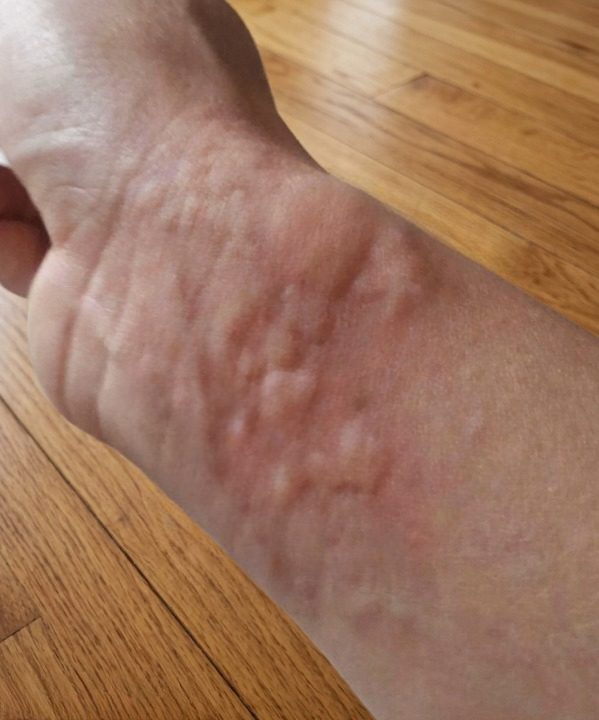
A cluster of raised, itchy welts on the skin might seem harmless at first. Many people assume it is just a mild allergy, a reaction to something they ate, or even irritation from bedding or detergent. In isolation, hives can indeed be uncomfortable but not dangerous.
However, when those skin symptoms appear alongside more serious signs—such as wheezing, chest tightness, dizziness, or swelling of the lips, tongue, or throat—the situation can quickly shift from mild to life-threatening.
In some cases, this combination is a warning sign of anaphylaxis, a severe allergic reaction that requires immediate emergency care.
When a “Simple Rash” Becomes Something Serious
Hives, medically known as urticaria, are often the body’s response to allergens. They can be triggered by foods, medications, insect stings, or environmental factors. On their own, they are usually not dangerous and may come and go within hours or days.
The concern begins when hives are part of a wider systemic reaction.
Anaphylaxis is not limited to the skin. It affects multiple systems in the body at once, including the respiratory and cardiovascular systems. This is what makes it so dangerous.
As the reaction progresses, the immune system releases a surge of chemicals that can cause:
- Swelling of the airways
- Difficulty breathing or wheezing
- Tightness in the chest or throat
- Sudden drop in blood pressure
- Rapid pulse
- Dizziness or fainting
Without prompt treatment, these symptoms can escalate within minutes.
Why Sleeping Through Symptoms Can Be Especially Dangerous
One of the most overlooked risks is when symptoms begin at night or during sleep.
If an allergic reaction starts while a person is asleep, they may not immediately recognize the warning signs. Mild itching or early swelling might go unnoticed, allowing the reaction to progress unchecked.
As airway swelling increases, breathing can become more difficult. In severe cases, a person may wake up disoriented or struggling for air, by which point the reaction may already be advanced.
This is why medical professionals stress the importance of taking nighttime allergic symptoms seriously, especially if there is a known history of allergies or previous reactions.
The Critical Role of Epinephrine
When anaphylaxis is suspected, the first-line treatment is epinephrine, commonly delivered through an auto-injector.
Epinephrine works quickly to:
- Relax airway muscles
- Improve breathing
- Increase blood pressure
- Reduce swelling
- Slow the progression of the allergic reaction
It is considered the most important immediate intervention because it can reverse life-threatening symptoms within minutes.
Medical experts emphasize that epinephrine should be used immediately if anaphylaxis is suspected. Waiting to “see if it gets better” can be dangerous, as symptoms can worsen rapidly.
Why Immediate Emergency Care Is Still Necessary
Even if symptoms improve after using epinephrine, emergency medical attention is still required.
This is because anaphylaxis can sometimes occur in two phases. After the initial reaction stabilizes, symptoms can return hours later in what is known as a biphasic reaction.
Hospital monitoring ensures that any recurrence is treated quickly and that additional care can be provided if needed, such as oxygen therapy, antihistamines, or further doses of epinephrine.
Common Triggers That Can Escalate Overnight
Allergic reactions can sometimes begin in unexpected ways, including during sleep. Common triggers include:
- Food allergens consumed earlier in the day (such as nuts, shellfish, or dairy)
- Insect bites or stings that go unnoticed
- Medications taken before bedtime
- Latex or chemical exposure
- Environmental allergens like dust mites or mold
In some cases, individuals may not even know they are allergic until a reaction occurs.
Warning Signs You Should Never Ignore
While mild allergic reactions often remain limited to the skin, certain symptoms indicate a more serious problem. These include:
- Swelling of the lips, tongue, or throat
- Difficulty breathing or swallowing
- Persistent coughing or wheezing
- Tightness in the chest
- Sudden weakness or confusion
- A rapid drop in blood pressure or fainting
When these symptoms occur alongside hives, the situation should always be treated as an emergency.
Why Time Matters So Much
Anaphylaxis is a medical emergency because it can progress extremely quickly.
In some cases, a person may go from feeling mild discomfort to severe respiratory distress in a matter of minutes. The narrowing of airways and drop in blood pressure can prevent oxygen from reaching vital organs.
This is why early recognition and immediate action are critical. Delays in treatment are one of the biggest risk factors for serious outcomes.
Acting Fast Can Save a Life
The key message from medical professionals is simple: do not wait.
If someone develops widespread hives along with any signs of breathing difficulty or swelling in the face or throat, it should always be treated as a potential anaphylactic reaction.
Call emergency services immediately. Use an epinephrine auto-injector if available. Stay with the person and monitor their condition closely until help arrives.
Even if the reaction turns out to be less severe than expected, it is always safer to treat it as an emergency first.
A Final Reminder
Not every rash is dangerous. Not every allergic reaction requires emergency care. But when the skin symptoms are accompanied by respiratory distress or swelling, the risk changes dramatically.
Recognizing the difference between a mild irritation and a systemic allergic reaction is not about fear—it is about awareness.
Because in the case of anaphylaxis, quick action is not just important.
It is lifesaving.