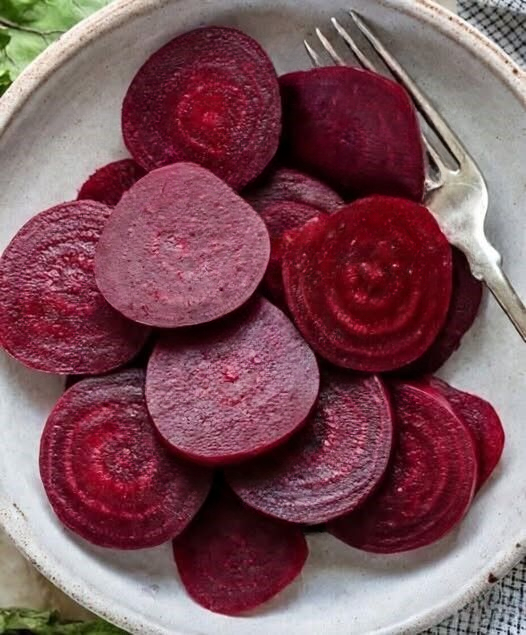
Beets have earned a reputation as a “superfood,” and unlike many trendy health claims, there is legitimate science behind some of the excitement. But the dramatic promises often attached to beetroot — “revolutionary detox,” “miracle circulation cure,” or “natural performance enhancer” — deserve a closer look.
The reality is more balanced, and far more useful.
Why Beets Get So Much Attention
Beets are naturally rich in dietary nitrates. When you eat them, your body can convert those nitrates into nitric oxide, a molecule that helps relax and widen blood vessels.
That process may improve blood flow and slightly reduce blood pressure in some people. It is also why beet juice has become popular among endurance athletes and fitness enthusiasts.
Research suggests beetroot may help support:
- Healthy circulation
- Exercise endurance
- Cardiovascular function
- Recovery after physical activity
However, this does not mean beets “supercharge” the body or replace medical treatment for heart disease, circulation disorders, or fatigue.
They are simply one nutritious food that can contribute to overall health.
The Nutrients Inside Beets
Beets contain several beneficial nutrients, including:
- Fiber — supports digestion and helps regulate blood sugar
- Folate (Vitamin B9) — important for cell growth and red blood cell production
- Potassium — helps regulate fluid balance and blood pressure
- Manganese — supports metabolism and bone health
- Antioxidants — including betalains, the pigments responsible for the deep red color
These compounds may help reduce oxidative stress and inflammation in the body.
That said, inflammation is extremely complex. No single vegetable “fights inflammation at a molecular level” in the dramatic way many articles claim.
Can Beets Improve Energy?
Possibly — indirectly.
Some studies suggest beetroot may improve exercise efficiency because improved blood flow can help muscles use oxygen more effectively during physical activity.
For everyday people, this might translate into feeling slightly less fatigued during exercise or recovery.
But beets are not a substitute for:
- sleep,
- balanced nutrition,
- exercise,
- hydration,
- or medical care.
If someone feels chronically exhausted, the answer is unlikely to be hidden in beet juice alone.
Are Beets Good for the Heart?
Potentially, yes.
Because nitric oxide helps blood vessels relax, beets may support healthy blood pressure levels in some individuals.
Several studies have shown modest reductions in blood pressure after consuming beet juice regularly.
Still, “heart healthy” does not mean “heart disease cure.”
The biggest proven factors for long-term cardiovascular health remain:
- not smoking,
- regular exercise,
- maintaining healthy cholesterol and blood pressure,
- quality sleep,
- stress management,
- and a balanced diet overall.
Beets can be part of that picture — not the entire solution.
What About Detox Claims?
This is where many exaggerated health articles go off the rails.
Your liver and kidneys already detoxify your body continuously. No food “flushes toxins” in the dramatic way wellness marketing often suggests.
Beets do contain antioxidants and nutrients that support normal liver function as part of a healthy diet. But they do not perform magical internal cleansing.
If a product or article promises that beets “purify your blood” or “remove years of toxins,” skepticism is warranted.
Important Things to Know Before Eating More Beets
Beets are healthy for many people, but there are a few caveats.
1. Beeturia Can Happen
Beets can turn urine or stool pink or red. This is harmless and surprisingly common.
2. Beet Juice Can Affect Blood Sugar
Whole beets contain fiber, which slows sugar absorption. Beet juice often removes much of that fiber, making it easier to consume large amounts quickly.
People with diabetes should monitor how their bodies respond.
3. Oxalates Matter
Beets contain oxalates, compounds that may contribute to kidney stones in people who are susceptible.
If you have a history of calcium oxalate kidney stones, moderation may be important.
4. Blood Pressure Medications
Because beets may modestly lower blood pressure, people taking blood pressure medication should avoid assuming “more is better.”
Discuss major dietary changes with a healthcare professional if you have cardiovascular conditions.
The Best Way to Eat Beets
You do not need expensive powders, cleanses, or supplements.
Simple options work well:
- roasted beets,
- grated raw beets in salads,
- beet soup,
- beet hummus,
- or moderate amounts of beet juice.
Pairing beets with other vegetables, whole grains, lean proteins, and healthy fats is far more effective than treating them like a miracle cure.
The Bottom Line
Beets are nutritious, versatile, and genuinely beneficial for many people.
They may:
- support circulation,
- contribute to heart health,
- provide antioxidants and fiber,
- and help with exercise performance.
But they are not magic.
The strongest health improvements still come from consistent habits practiced over time — eating balanced meals, staying active, sleeping well, managing stress, and getting appropriate medical care.
Beets can absolutely belong in that lifestyle.
They just do not need sensational promises to earn their place on the plate.