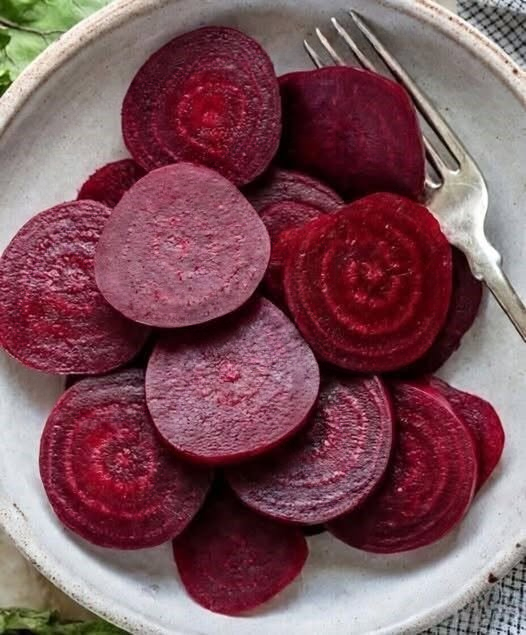
Walk through any grocery store produce aisle and you will likely pass by beets without giving them much thought. Their rough exterior and earthy flavor rarely attract the attention enjoyed by trendier health foods. Yet beneath that deep red skin lies a remarkable nutritional profile that has earned beets a growing reputation among nutrition researchers, athletes, and health-conscious consumers alike.
While no single food can transform your health overnight, beets offer a unique combination of nutrients and plant compounds that support several important functions throughout the body. From promoting healthy circulation to providing antioxidants and fiber, this humble root vegetable may deserve a more regular place on your plate.
The Nitric Oxide Connection
One of the most fascinating aspects of beets is their naturally high nitrate content. When consumed, these dietary nitrates are converted by the body into nitric oxide, a molecule that plays a critical role in vascular health.
Nitric oxide helps blood vessels relax and widen, a process known as vasodilation. This allows blood to move more efficiently through the circulatory system, reducing the workload on the heart while improving the delivery of oxygen and nutrients to tissues throughout the body.
Healthy circulation affects nearly every aspect of physical function. Better blood flow can support cardiovascular health, improve exercise performance, and contribute to overall feelings of vitality. This nitrate-to-nitric-oxide pathway is one of the primary reasons beets have become popular among athletes and fitness enthusiasts.
Why Athletes Pay Attention to Beets
Sports scientists have studied beetroot extensively because of its potential to enhance endurance and exercise efficiency. Improved oxygen delivery means muscles may require less effort to perform the same amount of work.
For athletes, this can translate into better stamina during prolonged activity and potentially faster recovery after exercise. However, the benefits are not limited to competitive sports.
For everyday individuals, improved circulation may contribute to increased energy levels, reduced fatigue, and better physical performance during routine activities. Some people also report feeling more mentally alert and focused, likely due to enhanced blood flow throughout the body, including the brain.
While beets are not a substitute for proper training, sleep, and nutrition, they can serve as a valuable addition to a healthy lifestyle.
Fiber: The Unsung Hero
Beyond their cardiovascular benefits, beets are an excellent source of dietary fiber.
Fiber plays several essential roles in maintaining health. It supports digestive function by helping food move efficiently through the digestive tract and contributes to feelings of fullness after meals. Fiber also nourishes beneficial bacteria in the gut microbiome, which influences digestion, immune function, and even aspects of mental well-being.
Another important benefit is blood sugar regulation. Fiber slows the absorption of carbohydrates, helping prevent dramatic spikes and crashes in blood glucose levels. More stable blood sugar often translates into steadier energy and improved appetite control throughout the day.
Because many modern diets fall short of recommended fiber intake, adding fiber-rich vegetables like beets can provide meaningful support for long-term metabolic health.
Powerful Antioxidants in Every Bite
The rich crimson color of beets comes from compounds called betalains. These naturally occurring pigments are more than just visually striking—they also possess significant antioxidant properties.
Antioxidants help neutralize unstable molecules known as free radicals, which can contribute to cellular damage over time. Excessive oxidative stress has been linked to aging and many chronic health conditions.
Research suggests that betalains may also help support the body’s natural inflammatory response. Chronic inflammation is increasingly recognized as a contributing factor in numerous long-term health concerns, making anti-inflammatory foods an important component of a balanced diet.
Additionally, some studies suggest that beet compounds may support healthy liver function, assisting the body’s natural detoxification processes and metabolic activities.
A Nutrient-Dense Package
Beets deliver far more than nitrates and antioxidants. They contain an impressive range of vitamins and minerals that work together to support overall wellness.
Folate, one of the standout nutrients in beets, plays a vital role in DNA synthesis, cell repair, and healthy blood cell production. Potassium supports fluid balance, muscle contractions, and nerve signaling, while manganese contributes to bone health and metabolism.
Beets also provide smaller amounts of iron, vitamin C, and other essential nutrients that help maintain normal bodily functions.
Rather than focusing on a single “miracle” ingredient, the strength of beets lies in their comprehensive nutritional profile.
Important Considerations
Despite their many benefits, beets are not a cure-all. They work best as part of a broader healthy lifestyle that includes balanced nutrition, regular physical activity, sufficient sleep, and appropriate medical care.
People should also be aware of a few practical considerations.
One common and harmless effect is “beeturia,” a condition in which urine or stool may temporarily appear pink or red after consuming beets. While surprising, this is usually not a cause for concern.
Individuals prone to kidney stones may wish to discuss beet consumption with their healthcare provider because beets contain oxalates, compounds that can contribute to stone formation in susceptible individuals.
Those taking medication for high blood pressure should also consult a healthcare professional before significantly increasing their intake of concentrated beet juice, since beets may contribute to lower blood pressure.
The Real Secret: Consistency
The greatest benefits of beets come not from extreme diets or short-term cleanses but from consistent inclusion in everyday meals.
Roasted beets make an excellent side dish. Raw grated beets can add color and texture to salads. Beet soup provides a comforting option during colder months, while blended beet smoothies offer a convenient way to incorporate them into a busy schedule.
Small, sustainable habits often produce the most meaningful health improvements over time.
In a world filled with expensive supplements and constantly changing wellness trends, beets offer a refreshing reminder that powerful nutrition can come from simple, affordable foods. Their combination of nitrates, fiber, antioxidants, vitamins, and minerals makes them a valuable ally for supporting heart health, energy, and overall well-being—one meal at a time.