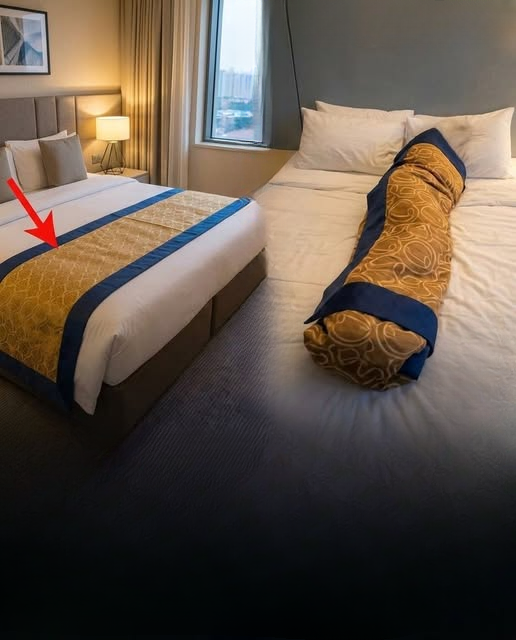
When staying in a hotel room, one of the most commonly noticed yet least understood features is the decorative fabric strip placed across the lower part of the bed. Many guests see it as purely aesthetic and either move it aside or ignore it completely. However, this item—commonly known in the hospitality industry as a bed runner or bed scarf—serves several practical functions that benefit both guests and hotel staff.
While it does contribute to the overall visual design of the room, its purpose extends far beyond decoration. It plays a role in hygiene management, room organization, and even operational efficiency in hotels.
Understanding its function provides insight into how hotels balance comfort, cleanliness, and presentation in guest rooms.
What Is a Bed Runner?
A bed runner is a long strip of fabric placed horizontally across the foot of a bed, usually above the comforter or duvet. It may be made from various materials such as cotton blends, velvet, polyester, or patterned woven fabric. Its appearance often matches the room’s interior design theme, contributing to the overall aesthetic appeal of the space.
Although it is small in size compared to bedding, it is intentionally designed to be both durable and easily washable, as it experiences frequent handling and exposure.
Hygiene and Protection of Bedding
One of the primary functions of a bed runner is to help maintain the cleanliness of the main bedding. Hotel rooms are high-traffic environments where multiple guests use the same room within short periods. Even with strict cleaning protocols, the bed itself is the most frequently used surface in a hotel room.
Guests often sit or place items on the bed while still wearing outdoor clothing. In some cases, shoes or bags may also come into contact with the bedding area. The bed runner acts as a protective layer between these external elements and the clean sheets underneath.
By absorbing minor contact from hands, clothing, or personal items, it helps reduce the transfer of dirt, oils, or dust onto the main bedding. This allows hotel housekeeping teams to maintain higher hygiene standards more efficiently.
A Designated Surface for Everyday Use
Beyond cleanliness, the bed runner also serves as a practical surface for temporary use. Hotel guests often treat the bed as a multifunctional space—not just for sleeping, but also for relaxing, eating, working, or organizing personal belongings.
The fabric strip provides a designated area where guests can place items without directly touching the clean bedding. This includes:
- Bags and backpacks
- Jackets or coats
- Laptop cases or electronic devices
- Food trays or takeaway meals
- Travel accessories or personal items
Because it is made from materials that are easier to clean or replace than full bedding sets, the bed runner allows hotels to manage occasional spills or contact without replacing entire sheets or comforters.
Supporting Room Service and Guest Convenience
Another practical role of the bed runner is its usefulness during in-room dining. Many hotel guests order food through room service or bring meals back to their rooms after a long day of travel.
Instead of placing trays or food containers directly on white sheets or comforters, guests can use the bed runner as a stable and less delicate surface. This helps minimize the risk of stains and keeps the main bedding cleaner for longer periods.
In this way, the bed runner indirectly supports both guest convenience and housekeeping efficiency by reducing the likelihood of difficult-to-remove stains on larger bedding items.
Enhancing Operational Efficiency for Hotels
From a hotel management perspective, bed runners are also a practical tool for maintaining operational efficiency. Housekeeping teams are responsible for cleaning large numbers of rooms within limited time frames, and anything that reduces deep-cleaning workload is valuable.
Since bed runners are smaller and easier to launder than full bedding sets, they can be cleaned or replaced more frequently without significant cost or effort. This allows hotels to maintain a visually clean and hygienic appearance in rooms even between full linen changes.
In some cases, hotels may rotate multiple sets of bed runners, ensuring that fresh and clean ones are always available for incoming guests.
Aesthetic and Psychological Function
While functionality is important, the visual role of a bed runner should not be overlooked. In hospitality design, presentation plays a significant role in shaping guest experience and perception of quality.
The bed runner adds:
- A contrast in color or texture against plain bedding
- A sense of structure and layering on the bed
- A polished, finished appearance to the room
- Alignment with the hotel’s branding or interior theme
Even though it is a small detail, it contributes to the overall impression of cleanliness, luxury, and attention to detail.
Psychologically, a well-styled bed can make a room feel more welcoming and comfortable, enhancing the guest’s sense of relaxation upon arrival.
Cultural and Industry Variations
Not all hotels use bed runners in the same way. Their presence, style, and material can vary depending on the type of accommodation.
In luxury hotels, they are often made of premium fabrics and coordinated with decorative pillows and upholstered furniture. In budget or business hotels, simpler and more functional versions may be used, focusing primarily on hygiene and durability rather than design.
Some modern hotels have even begun reducing or eliminating bed runners in favor of minimalist design trends, while others continue to use them as a standard part of room presentation.
This variation reflects broader changes in hospitality design philosophy, balancing minimalism, hygiene, and guest convenience.
Common Misunderstandings About Bed Runners
Many guests are unsure about the purpose of the bed runner and may assume it is unnecessary. Some common misconceptions include:
- It is only decorative and has no practical use
- It should not be touched or used by guests
- It is part of the main bedding and must remain untouched
- It is optional and irrelevant to room cleanliness
In reality, the bed runner is intended to be used as part of the room’s functionality. Guests are not only allowed but encouraged to use it for placing items or sitting briefly if needed.
It is designed to be practical, not just ornamental.
Hygiene Awareness in Modern Hospitality
In recent years, hygiene awareness in hospitality has increased significantly. Hotels have strengthened cleaning protocols, especially for high-contact surfaces.
Within this context, accessories like bed runners serve an important supporting role. They help create a separation between frequently used guest items and freshly cleaned bedding.
While they are not a substitute for proper cleaning, they contribute to a layered approach to hygiene management in hotel rooms.
Environmental and Practical Considerations
From a sustainability perspective, bed runners also help reduce unnecessary laundry loads. Since they can be cleaned separately or replaced without changing full bedding sets, they contribute to more efficient resource use in hotel operations.
Reducing frequent full bedding changes where not necessary can help conserve water, energy, and cleaning materials, especially in large hotels with high occupancy rates.
This makes them not only practical but also indirectly supportive of more sustainable hospitality practices.
Final Reflection
The fabric strip placed across hotel beds may appear simple at first glance, but it plays a surprisingly important role in modern hospitality. Far from being a purely decorative accessory, the bed runner supports hygiene, convenience, design, and operational efficiency all at once.
It protects bedding from everyday use, provides a practical surface for guests, enhances room presentation, and helps hotel staff maintain cleanliness more effectively.
Next time you stay in a hotel room, that small strip of fabric is worth a second look. What seems like a minor design detail is actually a thoughtful solution that balances guest comfort with practical hotel management needs.