Introduction: Rediscovering an Overlooked Household Essential
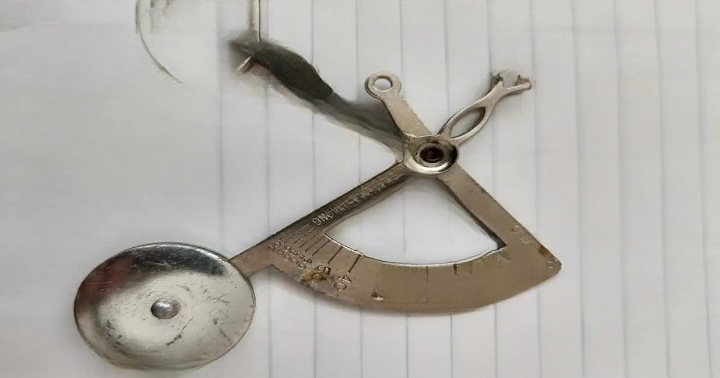
From time to time, an unfamiliar vintage object circulates online and sparks widespread curiosity. Someone posts a photograph of a small metal device with a round dial and a flat platform, asking a simple question: “Does anyone know what this is?” Within moments, guesses begin to pour in. Some suggest it is a kitchen gadget. Others think it might be part of an old machine. A few recognize it immediately.
The object in question is a postal scale.
To many people today, especially those accustomed to digital tools and automated shipping labels, the postal scale may appear quaint or even unnecessary. Yet for decades, it was one of the most practical and relied-upon tools found in homes, offices, and small businesses. It played a quiet but vital role in communication, commerce, and daily organization.
This article explores the history, function, cultural importance, and modern relevance of the postal scale. By looking closely at this seemingly simple device, we uncover a larger story about how people once connected with one another, conducted business, and relied on precision in everyday life.
What Is a Postal Scale?
A postal scale is a weighing device specifically designed to measure letters, envelopes, parcels, and small packages intended for mailing. Its primary purpose is to determine accurate weight so that the correct postage can be applied before sending an item through the mail.
In earlier eras, before online postage calculators and automated kiosks, knowing the exact weight of your mail was essential. Postal services calculated fees based on weight categories. Even a small difference in ounces could change the required postage.
Because of this, households and offices that regularly mailed correspondence often kept a postal scale readily available.
A Time Before Digital Communication
To fully understand the importance of the postal scale, it helps to step back into a different era.
Before:
-
Email
-
Text messaging
-
Instant messaging platforms
-
Online billing systems
-
Digital file sharing
Written letters were the primary method of long-distance communication.
Families stayed connected through handwritten correspondence. Businesses sent invoices, contracts, promotional materials, and product shipments by mail. Government notices and official documents traveled in sealed envelopes.
Mail was not occasional—it was constant.
And every piece of outgoing mail required proper postage.
Why Accurate Weight Mattered So Much
Postal systems have long relied on structured pricing models. Typically, the cost to send an item depended on:
-
Weight
-
Size
-
Destination
-
Delivery speed
If a letter or package exceeded the paid weight category, several outcomes were possible:
-
The item might be returned to the sender.
-
The recipient might be asked to pay additional postage.
-
Delivery could be delayed.
Underpaying postage created inconvenience. Overpaying meant unnecessary expense.
A postal scale solved this problem by providing precise measurements before the item ever left the home or office.
How a Traditional Postal Scale Works
The mechanics of a classic postal scale are straightforward but thoughtfully engineered.
Most traditional postal scales consist of:
-
A flat platform to hold the item
-
An internal spring or mechanical mechanism
-
A dial or numerical display
-
A needle that indicates weight
Here is the basic process:
-
Place the letter or parcel on the platform.
-
The weight compresses an internal spring.
-
The needle moves along a calibrated dial.
-
The measurement appears in ounces, pounds, or grams.
Mechanical scales required no electricity. Their operation relied entirely on balanced tension and calibration.
Because they were built for reliability, many vintage postal scales still function accurately decades after manufacture.
Design and Craftsmanship
One of the most striking features of older postal scales is their craftsmanship.
Many were made from:
-
Cast iron
-
Steel
-
Brass
-
Polished metal
-
Wood bases
Some featured:
-
Ornate dials
-
Engraved measurement markings
-
Decorative numbering
-
Smooth mechanical movement
Unlike many modern plastic devices, vintage postal scales were designed for durability. They were meant to last years, sometimes generations.
The sturdy materials ensured consistent accuracy even with frequent use.
The Role of Postal Scales in Business
For small businesses, postal scales were more than convenient—they were essential.
Consider a small shop owner in the mid-20th century who regularly mailed products to customers. Accurate weight meant:
-
Correct postage costs
-
Predictable shipping expenses
-
Fewer returned packages
-
Smoother operations
Mail-order catalogs relied heavily on postal efficiency. Businesses shipping clothing, tools, books, and specialty goods depended on reliable weight measurement.
Without a postal scale, shipping became guesswork.
The Household Connection
Postal scales were not limited to commercial environments.
Families used them to:
-
Send care packages
-
Mail holiday gifts
-
Ship personal items
-
Send documents to relatives
In households where letters were written regularly, especially across long distances, a postal scale offered reassurance that everything was prepared correctly before heading to the post office.
It represented preparedness and organization.
The Postal Scale and the Growth of Communication
The expansion of national and international postal systems in the 19th and 20th centuries transformed communication.
Standardized postage rates and structured mailing systems allowed people to connect across cities, states, and countries more efficiently than ever before.
The postal scale played a subtle but important role in this expansion. It allowed individuals to participate confidently in a growing communication network.
By ensuring accurate postage, it helped mail move more efficiently through sorting facilities and distribution routes.
Mechanical Precision in an Analog Era
In today’s digital age, we rely heavily on automated systems. Shipping labels are calculated instantly. Scales in post offices connect directly to pricing databases.
But in earlier decades, mechanical precision required thoughtful design.
Postal scales had to be:
-
Calibrated accurately
-
Resistant to wear
-
Simple to read
-
Durable over time
Their reliability depended on mechanical engineering rather than software updates.
This simplicity is part of their enduring appeal.
Transition Into the Digital Age
As technology advanced, postal services modernized.
Digital scales replaced many mechanical models. Automated kiosks calculate postage instantly. Online platforms allow users to:
-
Weigh items at home
-
Print labels
-
Schedule pickups
Despite these advancements, the fundamental need remains the same: accurate weight measurement.
Even today, businesses that ship products rely on precise scales to determine shipping costs.
The difference is not the purpose—but the technology.
Modern Uses of Postal Scales
Although many households no longer send daily correspondence, postal scales remain useful in several contexts:
Small Businesses
Entrepreneurs operating online stores use postal scales to:
-
Weigh outgoing products
-
Calculate shipping rates
-
Avoid overpaying for postage
-
Improve cost efficiency
Home Offices
Remote workers may occasionally ship documents or materials.
Hobbyists and Crafters
Those who sell handmade goods often ship small parcels and benefit from accurate measurement tools.
Personal Shipping Needs
Anyone mailing packages occasionally can save time by knowing the correct weight beforehand.
The Postal Scale as a Collectible Item
Beyond its practical function, the postal scale has become a sought-after collectible.
Antique enthusiasts appreciate:
-
Historical significance
-
Mechanical craftsmanship
-
Distinctive design elements
Vintage postal scales are commonly found at:
-
Estate sales
-
Antique shops
-
Flea markets
-
Online marketplaces
Their decorative appeal has made them popular as conversation pieces.
Aesthetic Appeal in Modern Décor
Interior designers sometimes incorporate vintage tools into home décor.
A classic postal scale can add:
-
Industrial charm
-
Rustic character
-
Nostalgic appeal
-
Visual interest
Placed on a bookshelf or desk, it serves as both a decorative object and a reminder of earlier eras.
Sustainability and Longevity
There is growing appreciation today for durable, long-lasting objects.
Vintage postal scales represent:
-
Sustainable design
-
Repairable mechanics
-
Reduced reliance on disposable technology
Because they require no batteries or power cords, they remain functional without consuming energy.
Their longevity reflects a time when products were built to endure.
A Symbol of Thoughtful Living
Using a mechanical postal scale involves a small but meaningful action:
-
Placing an item carefully
-
Watching the needle move
-
Reading the result
-
Making an informed decision
This deliberate process contrasts with today’s rapid digital transactions.
It encourages attentiveness and awareness.
Postal Scales and the Evolution of Commerce
The development of reliable weighing tools supported the growth of mail-based commerce.
Mail-order businesses expanded access to goods for people in rural areas. Accurate shipping measurements were central to this system.
In this way, the postal scale contributed to economic participation and accessibility.
Emotional and Cultural Significance
For many people, letters once carried emotional weight beyond their physical mass.
Personal correspondence preserved:
-
Family connections
-
Historical records
-
Milestones
-
Expressions of care
The postal scale, though simple, played a supporting role in these exchanges.
It ensured those messages traveled successfully.
Comparing Then and Now
| Past | Present |
|---|---|
| Mechanical scales | Digital scales |
| Manual postage calculation | Automated rate systems |
| Handwritten letters | Electronic communication |
| Physical catalogs | Online storefronts |
Despite technological change, the core principle remains: accurate measurement ensures smooth delivery.
Why the Postal Scale Still Matters
While no longer as universally necessary as it once was, the postal scale remains relevant because:
-
Shipping remains central to commerce
-
Accurate measurement prevents wasted expense
-
Vintage tools connect us to history
-
Mechanical design continues to inspire admiration
It stands as a reminder of practical ingenuity.
Preserving History Through Everyday Objects
Household tools often disappear quietly from common use. Yet they tell important stories about how societies functioned.
The postal scale represents:
-
Communication systems
-
Business operations
-
Engineering innovation
-
Cultural habits
By preserving and appreciating such objects, we maintain a connection to those histories.
A Tool Built to Last
Unlike many modern gadgets designed for rapid replacement, vintage postal scales were:
-
Solidly constructed
-
Repairable
-
Designed for longevity
This durability contributes to their continued presence in homes and collections.
Lessons from the Postal Scale
The story of the postal scale teaches several broader lessons:
-
Even simple tools can shape daily life.
-
Precision and reliability matter.
-
Mechanical design can be elegant and enduring.
-
History often hides in ordinary objects.
Conclusion: A Quiet Contributor to Communication
The postal scale may not command attention like major inventions or groundbreaking technologies. Yet its role in everyday life was meaningful and lasting.
It helped:
-
Families stay connected
-
Businesses operate efficiently
-
Postal systems function smoothly
-
Communities remain linked
Today, whether used practically or displayed decoratively, the postal scale continues to symbolize accuracy, craftsmanship, and thoughtful design.
It reminds us that behind every letter sent and every package delivered, there were small but essential tools working quietly in the background.
The next time you encounter one—perhaps in an antique shop or tucked away in a drawer—take a moment to appreciate its history. This modest device once supported a vast network of communication that shaped lives across generations.
In a world that often moves quickly, the postal scale stands as a steady reminder of precision, patience, and purpose.