Most people assume that when a device is turned off, it stops using electricity. It feels logical—no lights, no sound, no activity. But in reality, many household electronics continue to draw power even when they appear inactive. This quiet, ongoing consumption is often referred to as “phantom load” or “standby power,” and it can have a noticeable impact on both your energy bill and overall household efficiency.
For many households, these small, unnoticed energy drains add up over time. Individually, they may seem insignificant. Collectively, they can represent a meaningful portion of annual electricity usage.
What Is Standby Power?
Standby power is the electricity consumed by devices when they are switched off or not actively in use but still plugged in. Many modern electronics are designed to remain partially active so they can respond quickly when needed.
For example:
- A television may stay ready to turn on instantly with a remote
- A gaming console may continue downloading updates in the background
- A coffee maker may keep internal components warm or clocks running
While these features are convenient, they come at a cost—continuous energy consumption that often goes unnoticed.
How Much Energy Are We Talking About?
According to estimates from organizations like the U.S. Environmental Protection Agency, standby power can account for a portion of household electricity use each year. While the exact amount varies depending on the number of devices and usage habits, the cumulative effect can be significant over time.
Even small energy draws—just a few watts per device—can add up when multiplied across multiple electronics and over long periods.
Common “Energy Drainers” in Your Home
Many everyday devices contribute to this hidden energy use. Some of the most common include:
Phone Chargers
Even when not connected to a phone, chargers can continue drawing a small amount of power. It may seem negligible, but leaving several plugged in year-round adds up.
Gaming Consoles
Modern consoles often include “instant-on” or standby modes that allow for quick startup and background updates. While convenient, these modes can consume more energy than expected if left enabled continuously.
Desktop Computers and Monitors
Sleep mode reduces power usage, but it doesn’t eliminate it entirely. Systems left in standby for long periods can still contribute to energy waste.
Coffee Makers and Kitchen Appliances
Devices with clocks, heating elements, or standby settings may continue using electricity even when not actively brewing or cooking.
Slow Cookers and Multi-Cookers
Leaving appliances on “warm” settings for extended periods not only uses electricity but can also increase wear on the device.
Beyond Cost: Why It Matters
Reducing unnecessary energy use isn’t just about lowering your electricity bill—it also has broader benefits.
Energy Efficiency
Using less electricity helps reduce overall demand on power systems, which can contribute to more sustainable energy use.
Appliance Longevity
Devices that are constantly drawing power may experience more wear over time. Turning them off completely when not in use can help extend their lifespan.
Home Safety
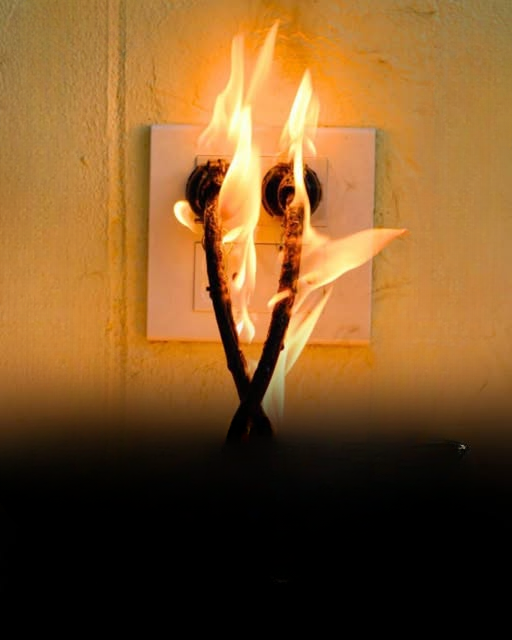
Organizations like the U.S. Fire Administration highlight that electrical issues are a contributing factor in many household fires. While not all standby devices are dangerous, minimizing unnecessary electrical load is a sensible precaution.
Simple Ways to Reduce Standby Power
The good news is that reducing phantom energy use doesn’t require major changes. Small adjustments can make a noticeable difference over time.
1. Unplug Devices When Not in Use
This is the simplest and most direct solution. If a device isn’t needed, disconnecting it ensures it uses no power at all.
2. Use Power Strips
Plug multiple devices into a single power strip with an on/off switch. This allows you to cut power to several items at once—ideal for entertainment centers or office setups.
3. Enable Energy-Saving Modes
Many modern electronics include settings designed to reduce standby consumption. Adjusting these options can lower energy use without sacrificing convenience.
4. Be Mindful of Always-On Features
Quick-start or instant-on modes are useful, but they often consume more power than standard standby settings. Turning them off when not needed can help reduce waste.
5. Create a Routine
Making it a habit to switch off or unplug certain devices—especially overnight or when leaving home—can gradually reduce unnecessary consumption.
Small Changes, Long-Term Impact
It’s easy to overlook something as simple as a plugged-in charger or a device left in standby mode. These are small details in a busy daily routine. But over weeks, months, and years, they can have a measurable effect.
What makes this issue important isn’t any single device—it’s the accumulation of many small, continuous energy draws happening all at once.
A More Efficient Way to Think About Power
Being mindful of energy use doesn’t mean giving up convenience. It’s about understanding how devices behave and making informed choices about when they truly need to be powered.
A quick check around your home might reveal:
- Chargers plugged in with no devices attached
- Electronics left in standby for days at a time
- Appliances quietly running in the background
Addressing these doesn’t require effort—just awareness.
Final Thoughts
The idea that devices use electricity even when “off” can be surprising, but it’s a well-understood aspect of modern electronics. Fortunately, it’s also one of the easiest areas to improve.
By making small adjustments—like unplugging unused devices, using power strips, and enabling energy-saving settings—you can reduce unnecessary energy use without disrupting your daily routine.
In the end, it’s not about drastic changes. It’s about simple habits that, over time, lead to smarter energy use, lower costs, and a more efficient home.