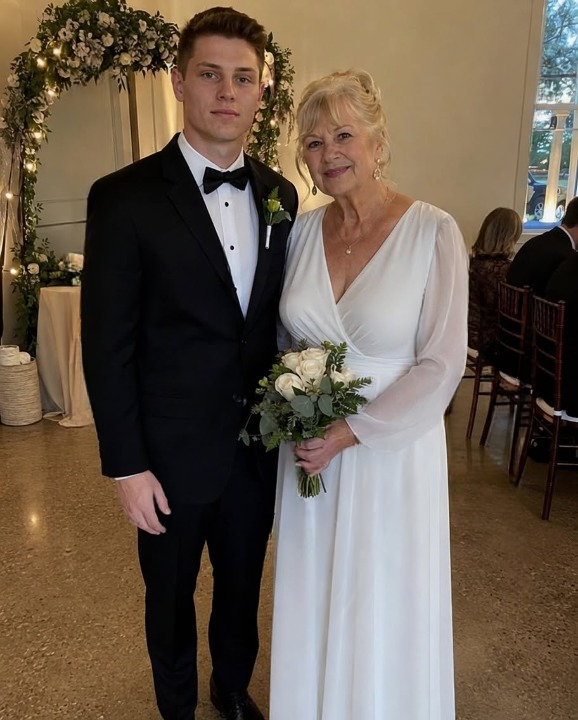
When I agreed to move in with Evelyn, I told myself it was practical, not personal. I was 26, drowning in rent I couldn’t afford and working jobs that barely kept food in my kitchen. She was 70, widowed, and living alone in a quiet house that felt too large for one person. The arrangement seemed simple: I would help around the house, keep her company, and in return, I would have a place to live.
At least, that’s what I told myself.
Evelyn was not a woman who asked for much. She didn’t demand attention or sympathy. She preferred routine—morning tea at 8, evening walks when her strength allowed, and long hours sitting by the window watching the street change with time. At first, I thought she barely noticed me. I treated the arrangement like a transaction. I fixed things when they broke, bought groceries when she handed me cash, and kept my distance emotionally.
But Evelyn noticed everything.
She noticed how I always checked my phone during meals. She noticed how I avoided eye contact when neighbors asked questions. She noticed that I never unpacked my bags completely, as if I was always preparing to leave quickly.
One evening, she placed a folded coat on the kitchen table.
“You’ll need this,” she said.
“I didn’t ask for it,” I replied.
“I know,” she said calmly. “That’s why I bought it.”
I wore the coat anyway.
That was the strange thing about Evelyn—she never argued. She simply observed, adjusted, and responded in ways that made me feel seen even when I didn’t deserve it.
Still, I kept emotional distance. I told a friend once over drinks that living with her was “the easiest way out of being broke.” I laughed when I said it, like it was harmless.
But Evelyn overheard.
I didn’t know that until much later.
Time passed in a quiet blur of routines. She grew a little weaker each month, and I grew more comfortable. Too comfortable. I stopped questioning whether I belonged there. I started believing I had earned it.
Then one morning, she collapsed in the kitchen while making tea.
By the time the ambulance arrived, she was already gone.
Her funeral was small. A few neighbors, distant relatives, and people who spoke about her like she had been kinder to them than life had been. I stood at the back, wearing the same coat she had once bought me, feeling something between grief and fear.
Because I knew what I had said about her.
And I knew what she had never said about me.
The lawyer called me the next day.
“I need you to come in,” he said.
I expected paperwork. Maybe a small personal item. Something polite, meaningless, final.
Instead, he placed a worn shoebox on the desk.
“This is what she left for you,” he said.
My stomach tightened. “That’s it?”
He nodded. “She said you would understand.”
I opened the box expecting nothing.
Inside was a folded note on top of printed pages. My breath caught when I recognized the words immediately.
It was my message.
The one I had sent months ago to a friend: “Once she’s gone, I’ll finally be stable.”
I felt my throat close.
Below it were receipts. Records of every coat she had bought me. Every grocery run she quietly covered. Every bill she paid when I “forgot” my wallet. Each one had a handwritten note in her neat handwriting.
“This is when you thought I wasn’t watching.”
“This is when you said thank you but meant something else.”
“This is when you stayed anyway.”
My hands trembled as I set the papers down.
“She knew,” I whispered.
The lawyer didn’t respond.
At the bottom of the box was a letter.
It began simply:
“I am not angry with you.”
That was worse than anger.
She wrote that she understood why I came into her life the way I did. She wrote that loneliness makes people accept arrangements they wouldn’t otherwise choose. She wrote that she never expected gratitude, only honesty.
But what struck me most was this line:
“You were not only what you took from me. You were also what you gave me when you forgot you were being watched.”
She described small moments I had long dismissed. Fixing her broken cabinet without being asked. Sitting with her during hospital visits even when I was uncomfortable. Making tea when her hands shook too much.
She ended the letter with a choice.
I could walk away and keep pretending the past had been simple.
Or I could speak the truth about everything—publicly, fully—and begin rebuilding something real from it.
There was no forgiveness offered. No punishment either.
Only responsibility.
For a long time, I sat there staring at the box.
I realized then that Evelyn had never been fooled by me. Not once. She had simply refused to reduce me to my worst intention.
She saw the full version—the selfishness, yes, but also the hesitation, the discomfort, the parts of me that still flinched at cruelty.
And somehow, she left me a path forward instead of a wall.
I don’t think redemption happens in a moment. It happens in decisions after the moment.
I chose to speak.
At a small community gathering a week later, I told the truth. Not just the parts that made me look good or bad, but all of it. People didn’t applaud. Some didn’t forgive. That was expected.
What surprised me was how many stayed to listen.
Afterward, I started volunteering at the same community center Evelyn supported. Not to repay a debt, because that could never be balanced, but because I finally understood something she had tried to teach me:
You don’t earn a second chance by being perfect.
You earn it by not hiding anymore.
Sometimes, the most important inheritance isn’t money or property.
It’s the truth someone leaves behind when they refuse to let you disappear into your excuses.