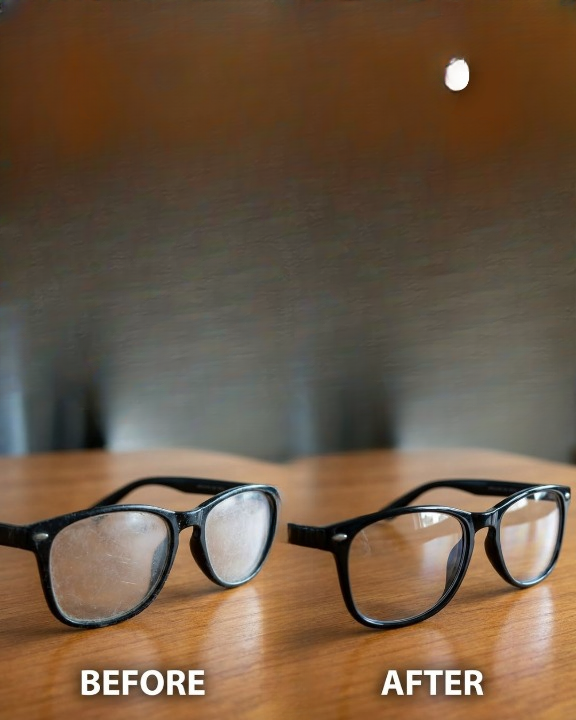
If you wear prescription glasses or even non-prescription lenses for daily use, you already know how important clear vision is. Glasses are not just an accessory—they are a necessity for millions of people, helping them read, drive, work, and navigate daily life with comfort and confidence.
Over time, however, one common issue tends to appear: scratches.
A small scratch might seem harmless at first, but as scratches accumulate, they can interfere with vision, create glare, and make everyday tasks more difficult. Naturally, many people look for quick, affordable ways to fix the problem without immediately replacing their lenses.
You may have come across various “home remedies” online—suggestions involving household items like toothpaste, oils, or polishing products. While some of these methods are widely shared, not all of them are safe or effective. In fact, some can make the problem worse.
In this comprehensive guide, we’ll take a closer look at safe, practical, and responsible ways to deal with scratched glasses. We’ll also discuss common myths, explain what actually works, and provide long-term tips to help you protect your lenses.
Understanding Why Glasses Get Scratched
Before jumping into solutions, it’s important to understand why scratches happen in the first place.
Modern lenses are typically made from plastic materials rather than glass. While these materials are lighter and more impact-resistant, they are also more prone to surface scratches.
Common causes include:
-
Cleaning lenses with rough materials
-
Wiping lenses when they are dusty or dirty
-
Dropping glasses onto hard surfaces
-
Storing glasses without a protective case
-
Placing glasses face-down
Even small particles like dust or sand can act like abrasives when rubbed across the lens surface.
Can Scratches Really Be Removed?
This is one of the most important questions—and the answer requires honesty.
In most cases, scratches cannot be completely removed from lenses.
Why?
Because a scratch is not just something sitting on the surface—it’s damage to the lens material itself. Removing it would require reshaping or polishing the lens, which can alter its optical clarity.
However, some methods may:
-
Reduce the appearance of very light scratches
-
Improve how noticeable they are
-
Temporarily make lenses easier to see through
The key is to approach any method with caution and realistic expectations.
Popular DIY Methods: What You Should Know
Let’s explore some commonly suggested at-home solutions and evaluate them carefully.
1. Using Baking Soda Paste
The idea:
A paste made from baking soda and water is gently rubbed onto the lenses.
Why people try it:
Baking soda has mild abrasive properties and is often used for cleaning.
The reality:
While it may slightly reduce the visibility of very fine surface marks, it can also create additional micro-scratches if used improperly.
Recommendation:
Use with extreme caution, if at all. Always test on a non-critical lens first and use minimal pressure.
2. Applying Baby Oil
The idea:
A small amount of oil is applied to fill in scratches, making them less visible.
Why people try it:
Oil can temporarily mask scratches by changing how light reflects off the surface.
The reality:
This does not repair the scratch. It only creates a temporary visual effect and may leave lenses greasy or harder to clean.
Recommendation:
Not ideal for long-term use. It may reduce visibility briefly but requires frequent reapplication.
3. Using Toothpaste
The idea:
Toothpaste is applied as a polishing agent due to its mild abrasiveness.
Why people try it:
It’s often used to polish surfaces in DIY hacks.
The reality:
Most modern toothpastes are too abrasive for lenses and can damage protective coatings, making scratches worse.
Recommendation:
Avoid using toothpaste on glasses, especially coated lenses.
4. Trying Furniture Polish
The idea:
Spraying a small amount onto a cloth and buffing the lenses.
Why people try it:
Some believe it can fill in scratches and improve clarity.
The reality:
Furniture polish is not designed for optical surfaces and may leave residues or damage coatings.
Recommendation:
Not recommended for eyewear.
5. Using Car Wax
The idea:
Applying wax to fill scratches and create a smoother surface.
Why people try it:
Car wax is designed to polish and protect surfaces.
The reality:
While it may temporarily mask scratches, it can also leave buildup and affect lens clarity.
Recommendation:
Use caution—this is not a reliable or long-term solution.
Safer Alternatives That Actually Help
Instead of relying on risky DIY fixes, consider these safer options.
1. Professional Lens Assessment
Opticians can evaluate whether your lenses can be polished or if replacement is necessary.
In some cases, minor surface issues can be improved professionally.
2. Lens Replacement
If scratches are severe, replacing the lenses is often the best solution.
Modern lenses can include:
-
Scratch-resistant coatings
-
Anti-reflective layers
-
UV protection
3. Using Protective Coatings
If you’re purchasing new glasses, consider investing in high-quality coatings.
These can significantly reduce the risk of future scratches.
Preventing Scratches: The Most Effective Strategy
Prevention is far more effective than repair.
Here are practical tips to protect your glasses:
Always Use a Case
Store your glasses in a hard case when not in use.
Clean Them Properly
Use a microfiber cloth and lens-safe cleaning solution.
Avoid Dry Wiping
Never wipe lenses when they are dusty or dirty.
Handle with Care
Hold glasses by the frame, not the lenses.
Keep Them Away from Rough Surfaces
Avoid placing glasses face-down.
Why Some “Hacks” Go Viral
It’s worth understanding why these DIY methods are so popular.
They often:
-
Use items already found at home
-
Promise quick results
-
Appear simple and inexpensive
However, popularity does not always equal effectiveness.
In many cases, these methods are based on anecdotal experiences rather than scientific evidence.
Understanding Lens Coatings
Modern lenses often include multiple layers:
-
Scratch-resistant coating
-
Anti-reflective coating
-
Smudge-resistant layer
DIY methods can damage these coatings, sometimes making the lenses worse than before.
When to Replace Your Glasses
Consider replacement if:
-
Scratches interfere with vision
-
You experience glare or distortion
-
Cleaning no longer improves clarity
Clear vision is essential for safety and comfort.
A Balanced Perspective
It’s understandable to want a quick fix for scratched lenses.
However, it’s important to weigh the risks.
Some methods may offer temporary improvement, but they can also cause long-term damage.
Final Thoughts
Scratched glasses are a common frustration, but not all solutions are created equal.
While household items like Baking Soda or Toothpaste are often suggested as quick fixes, they may not provide reliable or safe results.
The best approach is a combination of:
-
Proper care and maintenance
-
Safe cleaning practices
-
Professional advice when needed
In the end, protecting your lenses is the most effective way to ensure clear vision.
Because when it comes to something as important as your eyesight, it’s always worth choosing the safest and most reliable path.