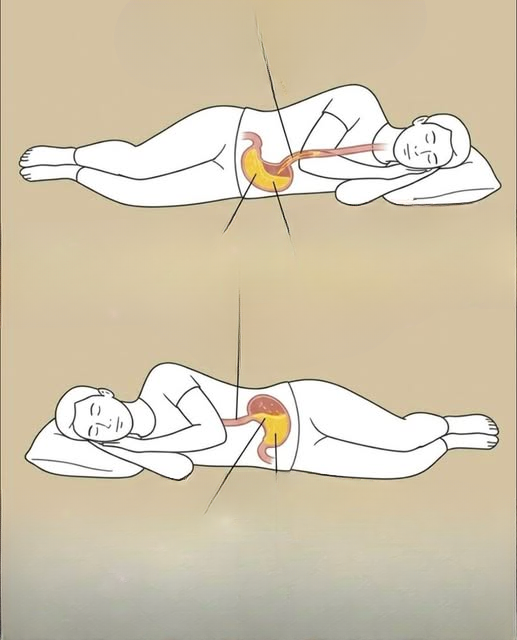
Most people understand that getting enough sleep is essential for good health. A full night of quality rest helps support physical recovery, mental focus, mood regulation, and overall well-being. But according to some research, the number of hours you sleep may not be the only factor that matters. The position you sleep in could also influence how your body functions during the night.
Many people naturally prefer sleeping on their side, while others favor sleeping on their back or stomach. Among side sleepers, however, some studies suggest that sleeping on the left side may offer certain benefits compared to sleeping on the right.
While there is no single “perfect” sleep position for everyone, researchers have examined how body posture during sleep may affect digestion, circulation, and other bodily processes. Here’s a closer look at what the science says.
Sleep Position and Digestion
One of the most frequently discussed advantages of left-side sleeping involves the digestive system.
The stomach is located slightly toward the left side of the body. Because of this natural positioning, some experts believe that sleeping on the left side may help food and digestive fluids move more efficiently through the digestive tract.
Several studies examining acid reflux and gastroesophageal reflux disease (GERD) have found that sleeping on the left side may reduce symptoms in some individuals. By contrast, sleeping on the right side can sometimes allow stomach contents to move more easily toward the esophagus, potentially increasing reflux symptoms in susceptible people.
For individuals who regularly experience heartburn or acid reflux, healthcare professionals often recommend experimenting with left-side sleeping to see whether symptoms improve.
Potential Benefits for Circulation
Another commonly cited reason for sleeping on the left side relates to the body’s circulatory system.
The heart sits slightly left of center in the chest, and the body’s largest artery, the aorta, arches toward the left before distributing blood throughout the body. Some researchers have suggested that left-side sleeping may support more efficient circulation by working with the body’s natural anatomy.
However, it’s important to note that the evidence in this area is less definitive than the research involving acid reflux. Healthy individuals generally maintain adequate circulation regardless of sleep position.
Still, some people report feeling more comfortable sleeping on their left side, particularly during pregnancy or when managing certain cardiovascular conditions.
Why Pregnant Women Are Often Advised to Sleep on the Left Side
One group that may particularly benefit from left-side sleeping is pregnant women.
Medical professionals frequently recommend this position during later stages of pregnancy because it can improve blood flow to the placenta while reducing pressure on major blood vessels. Sleeping on the left side may also help support kidney function and reduce swelling in the legs and feet.
While pregnant women should always follow guidance from their healthcare providers, left-side sleeping is commonly encouraged as a safe and comfortable option.
The Spleen and Lymphatic Function
Some advocates of left-side sleeping also point to the location of the spleen, which sits on the left side of the body.
The spleen plays an important role in filtering blood and supporting immune function. The theory suggests that sleeping on the left side may assist natural drainage processes within the lymphatic system.
Although this idea is often discussed in wellness circles, scientific evidence directly linking sleep position to significantly improved spleen function remains limited. More research is needed before strong conclusions can be drawn.
What About the Pancreas?
The pancreas is positioned behind the stomach and slightly toward the left side of the abdomen. Some experts believe that left-side sleeping may allow digestive enzymes to move more efficiently through the digestive system.
Again, while anatomical positioning supports this theory, researchers continue to study how much impact sleep posture truly has on pancreatic function in everyday life.
Is Sleeping on the Right Side Harmful?
Despite some sensational headlines, there is no strong scientific evidence showing that sleeping on the right side is dangerous for most healthy people.
In fact, many individuals sleep comfortably on their right side for years without experiencing any adverse effects. Sleep quality, comfort, spinal alignment, and individual medical conditions are often more important than choosing one side over the other.
For people with acid reflux, however, sleeping on the right side may worsen symptoms. In these cases, switching to the left side may provide noticeable relief.
The Best Sleep Position Is Often Personal
Sleep experts generally agree that the ideal sleep position depends on individual needs.
For example:
- Side sleeping can help reduce snoring and may benefit people with sleep apnea.
- Back sleeping may support spinal alignment for some individuals.
- Left-side sleeping may help with digestion and acid reflux.
- Right-side sleeping remains perfectly acceptable for many healthy adults.
The most important factor is finding a position that allows you to sleep comfortably and wake feeling refreshed.
A Balanced Perspective
Research suggests that left-side sleeping may offer certain advantages, particularly for digestion, acid reflux management, and pregnancy-related circulation. However, claims that sleeping on the right side is universally harmful are not supported by current scientific evidence.
Rather than worrying about sleeping on the “wrong” side, experts recommend focusing on overall sleep quality. Maintaining a consistent sleep schedule, creating a comfortable sleep environment, and addressing underlying health concerns will generally have a much greater impact on well-being than sleep position alone.
For those experiencing reflux, digestive discomfort, or pregnancy-related concerns, trying a left-side sleeping position may be worthwhile. As with many aspects of health, individual comfort and medical advice should guide the final decision.
Sometimes small adjustments can make a meaningful difference—but good sleep remains the ultimate goal, regardless of which side of the bed you prefer.