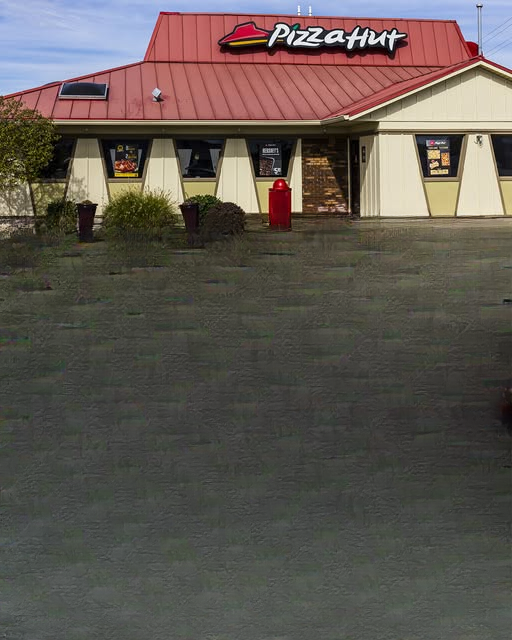
For many people, walking into a classic Pizza Hut during the 1980s or 1990s felt like more than grabbing dinner. It was an experience. The glowing red roof, arcade machines buzzing in the corner, deep red booths, stained-glass lamps, and the unmistakable smell of fresh pizza created an atmosphere that became part of countless childhood memories.
Now, that feeling is making an unexpected comeback.
At a time when many restaurant chains are moving toward sleek modern interiors, self-service kiosks, mobile apps, and delivery-focused business models, a growing wave of nostalgia is pushing some locations in the opposite direction. Instead of removing the past, a handful of restaurant owners are rebuilding it — one booth, one arcade machine, and one retro light fixture at a time.
For customers, the result feels less like dining out and more like stepping into a time capsule.
The Return of the Classic Pizza Hut Experience
One of the people helping fuel this retro movement is Tim Sparks, a restaurant owner whose classic-style renovations have attracted attention from nostalgic diners across the country.
Rather than embracing minimalist modern designs, Sparks has focused on restoring the features many longtime customers remember most fondly:
- The iconic red roof architecture
- Cozy booth seating
- Tiffany-style hanging lamps
- Arcade games like Pac-Man
- Traditional dine-in layouts
- Salad bars and family-style dining spaces
The goal isn’t simply to recreate old décor. It’s to revive the atmosphere that once made family pizza nights feel special.
For many visitors, walking through the doors instantly triggers memories of birthday parties, little league celebrations, Friday night dinners, and simpler moments spent together before smartphones and constant digital distractions became part of everyday life.
Why Nostalgia Is Driving Customers Back
The popularity of retro-themed restaurants reflects a broader cultural trend. In an increasingly fast-paced and technology-driven world, many people are searching for experiences that feel personal, familiar, and comforting.
Modern convenience has transformed how people eat. Delivery apps, drive-thrus, and quick pickup systems have made meals faster than ever. But speed often comes at the expense of atmosphere.
Classic Pizza Hut restaurants represented something different.
Families sat down together for long meals. Children played arcade games while waiting for food. Friends gathered in booths and stayed for hours talking. Dining out felt like an occasion rather than another errand squeezed into a busy schedule.
That emotional connection is exactly what makes these retro restorations so appealing today.
Customers are not only returning for pizza — they are returning for the feeling attached to the experience.
More Than Decoration: Recreating Human Connection
One reason these retro locations resonate so strongly is because they encourage something many people feel modern life has lost: genuine interaction.
Inside many restored restaurants, phones are put away naturally. Children become fascinated by arcade cabinets instead of screens. Families linger longer at tables. Conversations happen more easily in warm, comfortable spaces designed for gathering rather than rushing customers out the door.
The environment itself changes behavior.
The soft lighting, familiar colors, and classic layout create a slower, calmer atmosphere that feels intentionally different from many modern chain restaurants.
For older customers, the experience can feel deeply emotional.
Some remember childhood family dinners after school events. Others recall early dates, college nights with friends, or weekly routines that disappeared as life became busier. The restaurant becomes less about food and more about reconnecting with a period of life that felt simpler and more grounded.
The Power of Shared Memories
One reason the retro Pizza Hut concept works so well is because the memories attached to it are remarkably universal.
Across different cities and communities, millions of people shared similar experiences inside those restaurants:
- Reading programs that rewarded students with personal pan pizzas
- Birthday celebrations under stained-glass lamps
- Arcade games while waiting for food
- Family nights after sports practices
- Weekend outings before streaming entertainment existed
Because those moments were tied to comfort, routine, and family connection, revisiting the environment years later creates an immediate emotional response.
Even younger customers who never experienced the original era often become fascinated by the atmosphere because it feels authentic and different from modern restaurant design trends.
Why Retro Dining Feels Refreshing Today
Part of what makes these nostalgic restaurants stand out is how dramatically modern dining culture has changed.
Today, many chain restaurants prioritize efficiency above all else:
- Mobile ordering
- Automated kiosks
- Smaller dining spaces
- Faster customer turnover
- Heavy focus on takeout and delivery
While those systems offer convenience, they can also feel impersonal.
Retro Pizza Hut locations provide the opposite experience. They invite customers to slow down, stay longer, and enjoy the environment itself.
The appeal is similar to the resurgence of vinyl records, vintage arcades, drive-in theaters, and retro diners. People increasingly crave experiences that feel tactile, social, and emotionally meaningful in ways digital convenience sometimes cannot replicate.
The Return of Arcade Culture
One of the most beloved elements of these retro restorations is the return of classic arcade games.
Machines like Pac-Man instantly transport many visitors back to childhood. The sounds, flashing lights, and competitive fun create a sense of excitement that modern tablet entertainment rarely reproduces in the same communal way.
Parents often enjoy watching their children discover arcade gaming for the first time, creating a bridge between generations.
Instead of everyone staring silently at separate devices, people interact together.
That simple shift changes the entire mood of the restaurant.
The Emotional Side of Nostalgia
Psychologists often describe nostalgia as more than remembering the past. It can provide emotional comfort during periods of uncertainty or stress.
In today’s world, where people are constantly connected, distracted, and pressured by fast-moving routines, nostalgic environments offer a sense of stability.
Retro restaurants tap into memories associated with:
- Family safety
- Childhood excitement
- Simpler routines
- Community connection
- Slower-paced living
Even if the past was never perfect, revisiting familiar symbols from earlier years can still feel emotionally grounding.
That emotional response explains why some customers willingly drive hours just to visit one of these restored locations.
They are not only buying dinner.
They are revisiting a feeling they thought had disappeared.
Can Nostalgia Save Traditional Dine-In Restaurants?
The growing popularity of retro-themed restaurant experiences raises an interesting question: could nostalgia help revive traditional dine-in culture?
Many major chains have shifted heavily toward delivery and pickup models because customer habits changed dramatically over the past decade. But the success of restored retro locations suggests many people still value physical dining experiences when the atmosphere feels meaningful.
Restaurants that focus only on speed and efficiency may struggle to create emotional loyalty. Nostalgic spaces, however, create memories people want to repeat and share.
That emotional attachment can become a powerful business advantage.
A Reminder That Experiences Matter
Ultimately, the excitement surrounding retro Pizza Hut restorations reflects something larger than one restaurant chain.
It reveals how strongly people miss environments that encouraged togetherness.
In a world built around convenience, many customers are rediscovering the value of places where people slow down, laugh together, and create shared memories face-to-face.
For some, sitting beneath a glowing stained-glass lamp with a pizza and an arcade game nearby may seem small.
But for others, it feels like reconnecting with a version of life they thought was gone forever.
And perhaps that’s why these retro restaurants resonate so deeply.
They remind people that sometimes the most meaningful experiences are not the newest or fastest ones.
Sometimes, the things people miss most are the moments