In the closing days of February 2026, the Middle East entered a period of heightened uncertainty that quickly captured the attention of the entire world. A sudden and coordinated escalation in military activity dramatically shifted the regional landscape, intensifying long-standing tensions and raising concerns about broader international consequences. What had once been a fragile balance maintained through diplomacy, deterrence, and intermittent conflict began to unravel at a rapid pace.
On February 28, a large-scale military operation reportedly led by the United States in coordination with Israel marked a turning point. The campaign, referred to in official communications as Operation Epic Fury, targeted multiple locations within Iran. Among the areas mentioned in early reports were Tehran, Isfahan, and Qom—cities known for their political, cultural, and strategic importance.
The strikes were described as focused and deliberate, aimed at facilities believed to be linked to military planning, missile development, and defensive infrastructure. These actions signaled a major escalation in a conflict that had been building gradually over several years. While officials involved in the operation presented it as a necessary step to address emerging threats, the scale and timing of the strikes sparked immediate global concern.
Early Reactions and Uncertainty
In the immediate aftermath of the operation, information was limited and often unclear. Reports circulated rapidly through international media, some suggesting significant damage to key installations. Among the most widely discussed claims were unverified reports concerning the possible death of Iran’s Supreme Leader, Ayatollah Ali Khamenei.
While no official confirmation was provided, the speculation alone had a powerful impact. The potential loss of such a central figure in Iran’s political structure would represent a major shift, not only for the country itself but also for the broader region. Analysts and observers warned that such a development could lead to unpredictable outcomes, including internal political changes or further escalation beyond national borders.
The uncertainty surrounding these reports contributed to a tense global atmosphere. Governments, international organizations, and financial markets reacted cautiously, monitoring developments closely as more information slowly emerged.
Historical Context: A Long Road to Escalation
To understand the events of early 2026, it is important to look at the broader historical context. The tensions underlying this crisis did not emerge suddenly. Instead, they are the result of years—if not decades—of complex political, military, and economic interactions.
Throughout 2024 and 2025, relations between Iran, Israel, and the United States had steadily deteriorated. What had once been limited to indirect confrontations and proxy engagements began to shift toward more visible and direct encounters. Incidents involving unmanned aerial systems, missile activity, and cyber operations became more frequent, signaling a gradual but consistent increase in hostilities.
In addition, regional dynamics played a significant role. Various groups aligned with Iran were active in multiple areas, including Yemen and parts of the Red Sea. Their actions, particularly those affecting maritime routes, disrupted international shipping and trade flows. These developments prompted increased military presence from Western nations, especially in key waterways considered essential for global commerce.
At the same time, economic measures such as sanctions continued to place pressure on Iran. While intended to influence policy and behavior, these measures also contributed to a sense of isolation and tension. Over time, the combination of military incidents, economic challenges, and diplomatic disagreements created an environment where escalation became increasingly likely.
The Role of Strategic Decision-Making
Officials from the United States and Israel have described the February operation as a preventive measure. According to their statements, the decision to act was based on concerns about Iran’s advancing missile capabilities and its growing use of drone technology. These developments were viewed as potential threats not only to neighboring countries but also to international trade routes and security frameworks.
From this perspective, the operation was intended to disrupt infrastructure and reduce the risk of future attacks. However, critics argue that such actions can also contribute to further instability, especially when carried out in already tense environments. The debate highlights the complexity of strategic decision-making in situations where both action and inaction carry significant risks.
Military Developments Following the Strikes
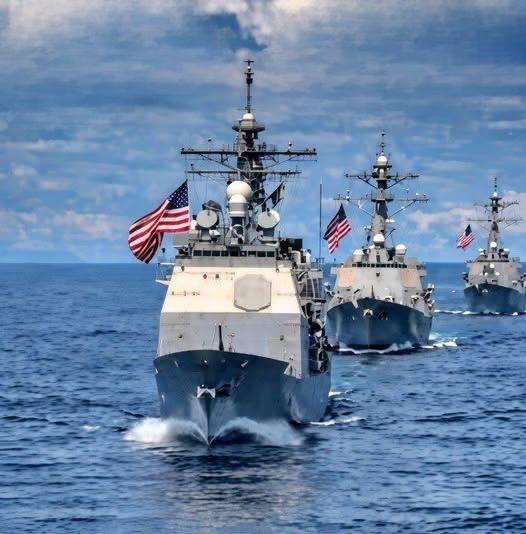
In the days following the initial strikes, the situation evolved quickly. Reports indicated that advanced military technology played a central role in the operation. Long-range aircraft, naval assets, and precision-guided systems were used to carry out targeted actions against specific sites.
Among the tools reportedly employed were cruise missiles and other advanced munitions designed to reach fortified or underground facilities. These systems are often used in situations where precision and reduced collateral impact are considered priorities.
The scale and coordination of the operation demonstrated a high level of planning and technological capability. However, it also underscored the seriousness of the situation, as such actions are typically associated with major military engagements rather than limited conflicts.
Iran’s Response and Regional Impact
In response to the strikes, Iran initiated a series of countermeasures. These included the use of missile systems and unmanned aerial vehicles directed toward various targets in the region. Some of these actions were aimed at military installations associated with the United States and its allies, while others affected broader areas.
Air defense systems in several countries were activated, and many incoming threats were intercepted. Nevertheless, some projectiles reached their intended destinations, resulting in damage and disruption. The impact was felt across multiple countries, including Kuwait, Bahrain, Saudi Arabia, Qatar, and the United Arab Emirates.
These developments highlighted the interconnected nature of regional security. An event in one location quickly influenced conditions across a wide geographic area, affecting both military and civilian environments.
Effects on Civilian Life
Beyond the military dimension, the crisis has had significant implications for everyday life in the region. In areas affected by heightened tensions, communities have experienced disruptions to transportation, communication, and economic activity.
Air travel routes have been adjusted or suspended in certain cases, while shipping operations have faced delays due to security concerns. Businesses have responded by reassessing their operations, and some have temporarily scaled back activities in high-risk areas.
For residents, the situation has created a sense of uncertainty. While daily routines continue in many places, the awareness of ongoing developments has led to increased caution and concern.
Global Economic Repercussions
The impact of the crisis has extended far beyond the Middle East. Global markets reacted quickly to the news of escalating tensions. Energy prices, in particular, showed noticeable fluctuations, reflecting concerns about potential disruptions to supply.
The Middle East plays a central role in global energy production and distribution. Any instability in the region can influence prices and availability, affecting economies worldwide. Investors and policymakers have been closely monitoring the situation, seeking to understand its potential long-term effects.
In addition to energy markets, other sectors have also been affected. Shipping, insurance, and manufacturing industries have all responded to the changing environment, adjusting their strategies to account for increased uncertainty.
Diplomatic Responses and International Reactions
In the wake of these events, international leaders have called for restraint and renewed dialogue. Organizations such as the United Nations have emphasized the importance of diplomatic solutions, urging all parties to avoid further escalation.
Some countries have offered to act as mediators, seeking to create opportunities for negotiation and de-escalation. While these efforts face significant challenges, they reflect a broader recognition of the need for stability.
At the same time, alliances and partnerships have come under increased scrutiny. Governments are reassessing their positions and considering how best to respond to evolving circumstances.
The Risk of Broader Conflict
One of the most pressing concerns surrounding the crisis is the possibility of further escalation. Analysts have noted that situations involving multiple actors and complex alliances can evolve rapidly, sometimes in unexpected ways.
The involvement of various regional and international players increases the potential for a wider conflict. While no single outcome is certain, the current environment underscores the importance of careful decision-making and clear communication.
Looking Ahead: Uncertainty and Possibility
As the situation continues to develop, many questions remain unanswered. The long-term consequences of the February operation and the subsequent responses are still unfolding. Much will depend on the actions taken in the coming weeks and months.
Opportunities for dialogue, while challenging, remain an important part of the path forward. History has shown that even in periods of tension, communication can play a critical role in reducing risks and finding solutions.
Conclusion
The events of early 2026 represent a significant moment in the ongoing history of the Middle East. What began as a targeted military operation has evolved into a complex and far-reaching situation with global implications.
From its historical roots to its immediate consequences, the crisis highlights the interconnected nature of modern geopolitics. Decisions made in one part of the world can have ripple effects across continents, influencing economies, societies, and international relationships.
As observers continue to monitor developments, one thing remains clear: the importance of stability, cooperation, and thoughtful leadership has never been greater. The path forward may be uncertain, but the choices made today will shape the future for years to come.