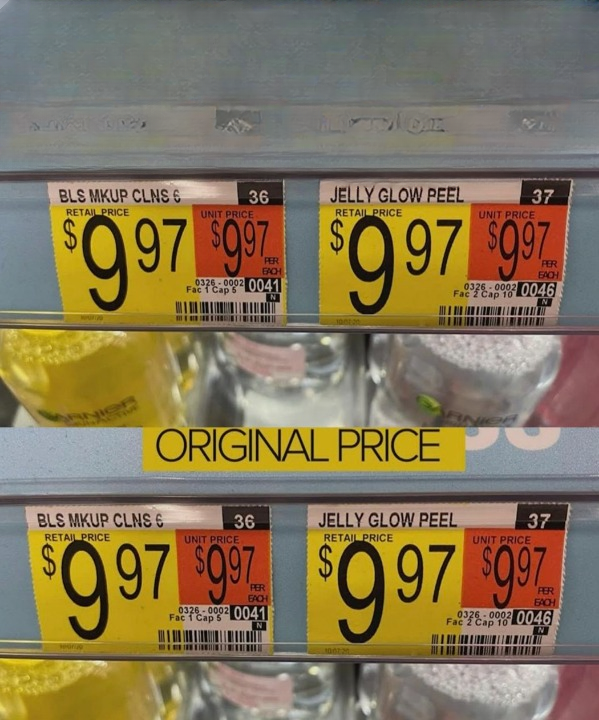
If you’re like me, Walmart is a go-to destination for groceries, household essentials, and the occasional treat. But one thing many shoppers overlook is that understanding Walmart’s price tags can dramatically change how much you save and how efficiently you shop. Learning the subtle codes, numbers, and labels on each tag is like unlocking a secret language—once you know it, your shopping experience becomes faster, more strategic, and much more budget-friendly.
In this guide, I’m going to walk you through everything you need to know about reading Walmart price tags correctly. From the mysterious numbers at the end of prices to the famous “Rollback” labels, we’ll cover it all. By the end, you’ll feel like a seasoned Walmart insider, spotting deals that others might miss and avoiding common pricing traps.
Understanding the Numbers at the End of Walmart Prices
One of the first things that confuses new shoppers is the small, often overlooked numbers at the end of a price. These can include endings like .00, .01, or .97, and each has a story to tell if you know how to read it.
Prices Ending in “.01”
You may have noticed some items priced like $4.01 or $12.01. Contrary to rumor, this doesn’t necessarily mean you’re getting the absolute lowest price Walmart can offer. Instead, these prices often indicate a clearance item or a special markdown that’s nearing the end of its pricing cycle. In other words, while it might be a good deal, it’s not guaranteed to be the final or rock-bottom price.
The key is to check the date on the price tag (more on that below). If the item has been marked down recently, there’s a chance the price could drop again soon.
Prices Ending in “.97”
Another common ending is .97, such as $5.97 or $14.97. Many shoppers assume these prices are Walmart’s “Everyday Low Prices,” but that isn’t always the case. Often, .97 prices signal items on clearance or seasonal markdowns, which means the item is being gradually reduced to make room for new stock.
Here’s a tip: if you spot an item with a .97 ending that has been on the shelf for a while, it may drop further in the coming weeks. Regularly checking the same aisle or product can yield additional savings over time.
The Importance of the Date on a Price Tag
If you look closely, most Walmart price tags include a date indicating when the item was last marked down. This seemingly small detail is incredibly useful if you’re trying to predict when a price might drop again.
For example, items usually remain at a marked-down price for about a month before they are further reduced. If the date on a tag shows that the price was lowered three weeks ago, there’s a reasonable chance it might see another markdown soon.
By tracking these dates, savvy shoppers can plan their visits to maximize savings. Some people even create a mental “price calendar” for their favorite items, helping them buy at the lowest possible price.
Rollback Markdown: Walmart’s Secret Weapon
No discussion about Walmart price tags is complete without mentioning Rollbacks.
A Rollback is Walmart’s version of a temporary sale, marked with bright red labels that immediately catch the eye. Rollbacks can happen for various reasons:
-
Supplier discounts: Walmart may negotiate lower costs from suppliers and pass those savings directly to customers.
-
Overstock: When certain items have higher inventory than expected, temporary Rollbacks help clear shelf space.
-
Seasonal adjustments: Items tied to a particular season or holiday may be marked down to make room for new stock.
The key thing to remember is that Rollbacks don’t last long. They’re typically in place for a few weeks at most, so if you see one, it’s best not to hesitate.
How to Maximize Savings with Rollbacks
-
Combine with Coupons: While Walmart Rollbacks are already discounted, pairing them with coupons or digital promotions can create significant savings.
-
Check Weekly Ads: Walmart releases weekly ad flyers that often coincide with Rollbacks. Planning your shopping around these ads can help you snag the best deals.
-
Buy in Bulk When Smart: If a Rollback applies to non-perishable items or essentials, consider stocking up—especially for items you use frequently.
Other Price Tag Details to Watch
While numbers and Rollbacks are the most visible indicators, Walmart price tags include other subtle hints:
Clearance Labels
Clearance items are often marked with orange or yellow tags in addition to a price ending in .97 or .01. These labels mean the item is being phased out, so if you see something you need, it’s wise to grab it before it disappears.
Item Codes
Some tags feature codes or symbols that indicate internal categories, like seasonal stock, limited promotions, or employee discounts. These aren’t typically needed for everyday shopping but can be useful for Walmart insiders who know what they mean.
Unit Pricing
Many Walmart tags also show the unit price, which helps you compare items sold in different sizes. This is especially helpful for bulk items or family-sized packaging, allowing you to determine which option truly offers the best value.
Practical Tips for Reading Walmart Tags
-
Look Beyond the Big Price: Don’t focus solely on the total dollar amount—check the date, ending digits, and labels to get the full story.
-
Keep Track of Items You Buy Often: Regularly note how long it takes for your favorite items to drop in price. Over time, you’ll see patterns emerge.
-
Pay Attention to Shelf Placement: Items at the end of aisles or near checkout are sometimes priced differently than those in the center.
-
Check Weekly Ads and Online Prices: Walmart often mirrors in-store Rollbacks with online pricing. Use both sources to compare and plan purchases.
-
Be Ready to Buy: Some Rollbacks or clearance items sell out fast. If it’s something you genuinely need, don’t wait too long.
Why Understanding Price Tags Matters
Many shoppers underestimate the value of reading Walmart price tags carefully. Knowing how to interpret these small details can lead to significant savings over time. It transforms ordinary shopping trips into strategic missions, helping you buy smarter, avoid overpaying, and make the most of temporary discounts.
For example, knowing that a Rollback is temporary encourages you to purchase essential items immediately. Understanding .97 and .01 endings helps you spot clearance deals early and plan for future markdowns. And tracking the date on the tag allows you to anticipate price drops, giving you a head start on savings that others may miss.
The Psychology of Walmart Pricing
Walmart’s pricing strategies aren’t random—they’re designed to create a perception of value and urgency. Small cues like Rollback labels, price endings, and tag colors trigger the brain to recognize a deal. By understanding these cues, shoppers can make more informed decisions rather than relying solely on instinct or impulse.
-
Price Endings: Create the illusion of a bargain (e.g., $9.97 feels significantly cheaper than $10.00).
-
Color-Coded Tags: Draw attention to discounted or clearance items.
-
Temporary Rollbacks: Encourage quick purchasing decisions, increasing the likelihood that customers take advantage of the offer.
Recognizing these psychological techniques empowers you to shop strategically, separating impulse buys from genuine savings.
Beyond Walmart: Applying These Skills Elsewhere
Once you understand how to read Walmart price tags, you can apply the same principles to other retailers. Grocery chains, big-box stores, and online platforms all use similar strategies to communicate discounts and promotions. By training yourself to interpret the subtleties of price tags, you can consistently find better deals and stretch your budget further.
Final Thoughts
Shopping at Walmart doesn’t have to be a guessing game. By learning to read the details of each price tag—from the smallest numbers to bold Rollback labels—you gain insight into which items are truly discounted, which are on clearance, and which are regular price.
Next time you walk into Walmart, take a closer look:
-
Don’t assume that .01 or .97 prices are the ultimate bargain.
-
Pay attention to the date on the tag for markdown cycles.
-
Seek out Rollbacks for temporary but substantial savings.
-
Use unit pricing to compare different sizes efficiently.
With these tips, your shopping trips can be smarter, faster, and much more budget-friendly. Understanding Walmart price tags isn’t just about saving a few dollars—it’s about shopping strategically and making informed choices that benefit you and your family.
Bonus Tip: Once you’ve mastered Walmart pricing, you can apply the same principles at other major retailers like Target, Home Depot, or Kroger, where subtle tag cues can also reveal hidden savings.